


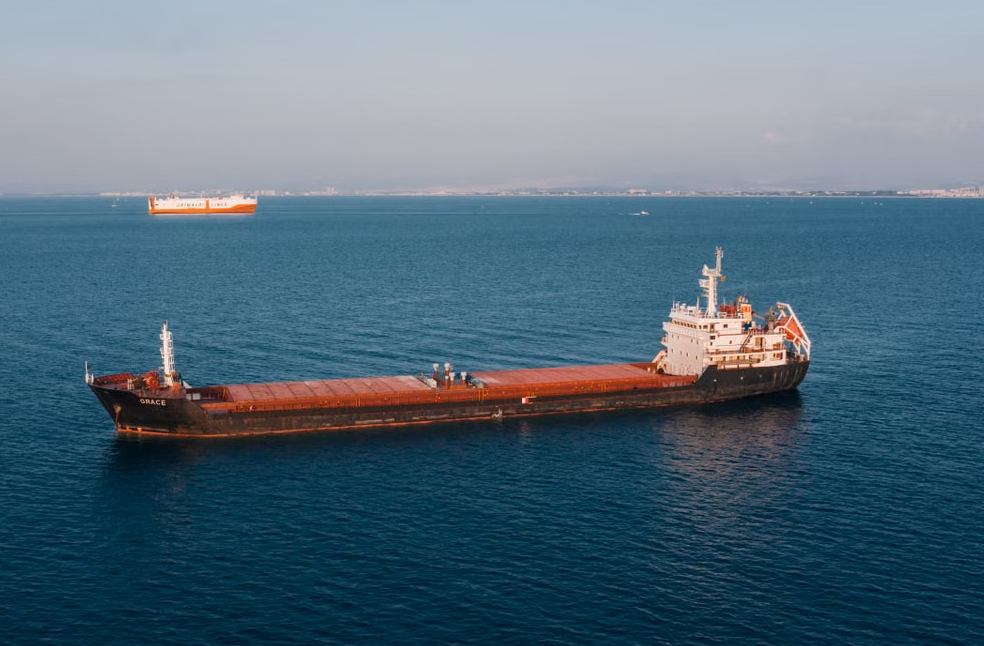
Dubai: Gulf states have backed an Omani proposal that would allow Iran to collect voluntary fees from ships using the Strait of Hormuz, according to a Gulf source, in an effort to restore confidence in one of the world’s most important energy shipping routes after months of conflict.
The proposal, discussed by regional governments on July 29, would allow Iran to collect voluntary contributions for navigation and maritime services while sharing responsibility for managing the strategic waterway with Oman. The plan aims to reduce tensions following months of disruption to oil and liquefied natural gas shipments through the strait.
The Strait of Hormuz handles around one-fifth of global oil and liquefied natural gas trade, making it one of the world’s most critical maritime chokepoints. Shipping through the passage has been disrupted since fighting between Iran, Israel and the United States escalated earlier this year.
Under the Omani proposal, Iran would not exercise exclusive control over the waterway and payments from vessels would remain voluntary rather than mandatory. The model is similar to arrangements used in the Strait of Malacca, where Indonesia, Malaysia and Singapore seek voluntary contributions from shipping companies to support navigation, environmental protection and search-and-rescue operations.
Iranian Foreign Minister Abbas Araqchi discussed the proposal with his Omani and Saudi counterparts on July 28, according to Iran’s Foreign Ministry, stressing the importance of regional cooperation to ensure the security of maritime trade.
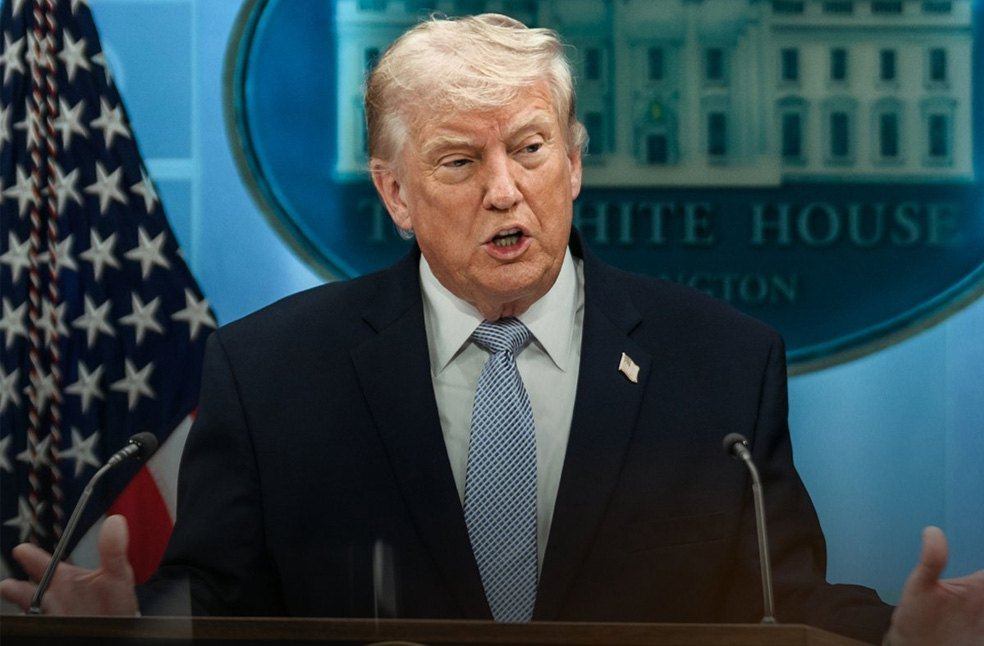
Meanwhile, US President Donald Trump said on July 28 there was ‘a good chance’ negotiations with Iran could succeed but warned Washington would resume military strikes if diplomacy failed. Iran rejected suggestions that it had sought fresh negotiations with the United States, accusing Washington of violating the framework agreed earlier.
IMPORTANT | India rejects industry protest over ‘energy drink’ label crackdown
