



Cleveland, Ohio: A US study has found that replacing gas stoves with electric alternatives may significantly improve asthma control, with researchers reporting benefits comparable to those seen with some commonly prescribed asthma medications.
The research, led by Case Western Reserve University and carried out through Ohio’s publicly owned MetroHealth system, began in December 2024 to examine whether switching from gas to electric cooking could improve asthma in 1,200 residents living near Cleveland.
However, the project was cut short after funding was withdrawn by the incoming Trump administration, limiting the study to just 72 households.
Despite the reduced sample size, researchers observed striking improvements. Participants experienced a 70 percent reduction in hospital admissions and days missed from work or school due to asthma after their gas stoves and hobs were replaced with electric models.

Project leader Prof. Ashwini Sehgal of Case Western Reserve University, said that the findings exceeded expectations, noting that the improvement in asthma symptoms matched or even surpassed results seen in clinical trials of widely used asthma medicines. Sehgal added that more than 1,100 households missed the opportunity to participate after the project ended early, and around 20 staff members were laid off.
The clinical trial
Each participant’s asthma was monitored for four weeks before and four weeks after the stove replacement using an internationally recognised asthma assessment scale ranging from zero to six. Average asthma scores improved from 2.6 to 1.5, far exceeding the 0.5-point improvement generally considered clinically meaningful.
Researchers also recorded fewer asthma-related hospital visits, fewer absences from work and school, reduced wheezing, lower reliance on rescue inhalers and fewer reports of asthma disrupting sleep. Indoor air quality measurements from 44 homes showed that nitrogen dioxide levels fell by an average of 70 percent after switching to electric cooking.
One participant, 38-year-old Angela Bland from Akron, Ohio, said she had not realised her gas stove was affecting her asthma until the replacement, adding that she now uses her inhaler far less frequently.
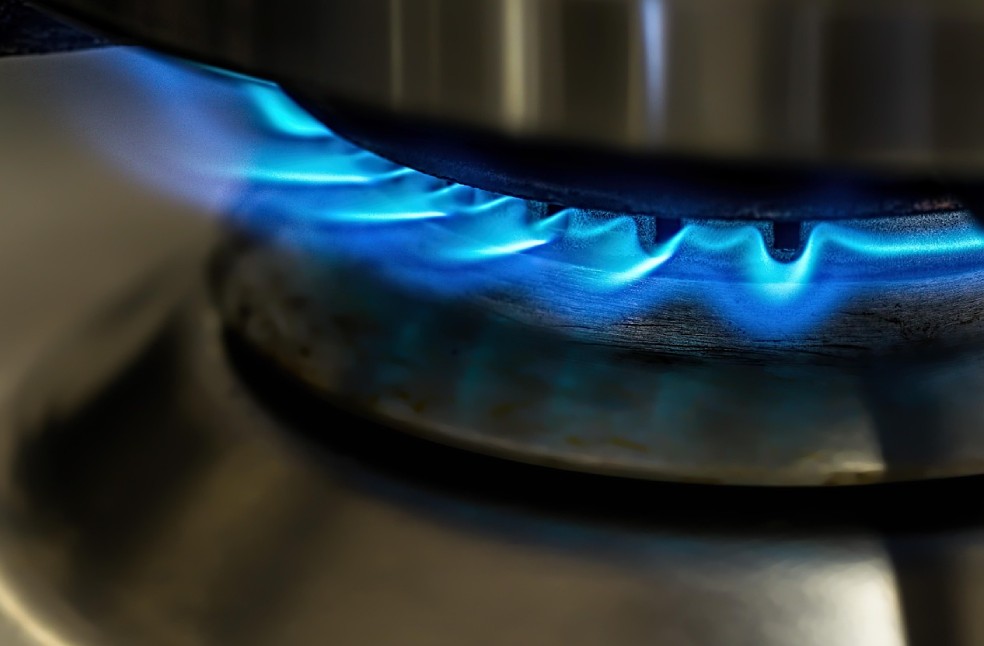
Prof. Sehgal noted that the scale of improvement was much greater than the benefits typically seen with placebo treatments, making it unlikely that the results could be explained by a placebo effect. Larger the studies with control groups would help confirm the findings.
Commenting on the research, Dr. Tiffany Yang of NHS Born in Bradford, who was not involved in the study, said the results add to growing evidence that reducing indoor air pollution can deliver meaningful health benefits, particularly for people with asthma. The indoor air quality should be considered alongside energy efficiency and decarbonisation initiatives when improving housing.
More than 97 percent of participants reported being satisfied or very satisfied with their new electric stoves, mirroring positive feedback from a similar pilot stove replacement programme in Greater Manchester. The findings build on earlier evidence linking gas cooking with asthma. A review of 41 studies published more than a decade ago concluded that gas cooking increases the risk of asthma in children.
Researchers also noted estimates suggesting gas cooking contributes to around 40,000 premature deaths each year across the UK and the EU, indicating that replacing gas appliances could provide significant public health benefits alongside climate goals.
ALSO READ | Wildfires force mass evacuations across France and Italy
