


Close Menu

    Get the latest news around the globe

    Editor's Pick

    Ferrari’s electric Luce sells for record $40m at charity auction

    ASA cracks down on misleading ‘recycled’ fashion ads

    Behind QR code: Unseen cyber risks of everyday scanning

    Facebook X (Twitter) Instagram
    Facebook X (Twitter) LinkedIn Instagram
    Britain HeraldBritain Herald
    Subscribe
    • Home
    • World Roundup
    • Business
    • Tech World
    • Entertainment & Events
    • Curious
    • More…
      • Spotlight
      • Knowledge
      • Lifestyle
      • Awareness
      • Women World
      • Sports
      • Travel
      • Notable
      • Contact Us
    Britain HeraldBritain Herald
    Home » Permanent shift to Drylands as aridity spreads worldwide
    World Roundup

    Permanent shift to Drylands as aridity spreads worldwide

    As aridity expands across the globe, vast regions face permanent land degradation, agricultural losses, and growing water scarcity, with economic consequences intensifying for vulnerable countries.
    Trainee ReporterBy Trainee ReporterDecember 9, 2024
    Facebook Twitter LinkedIn WhatsApp
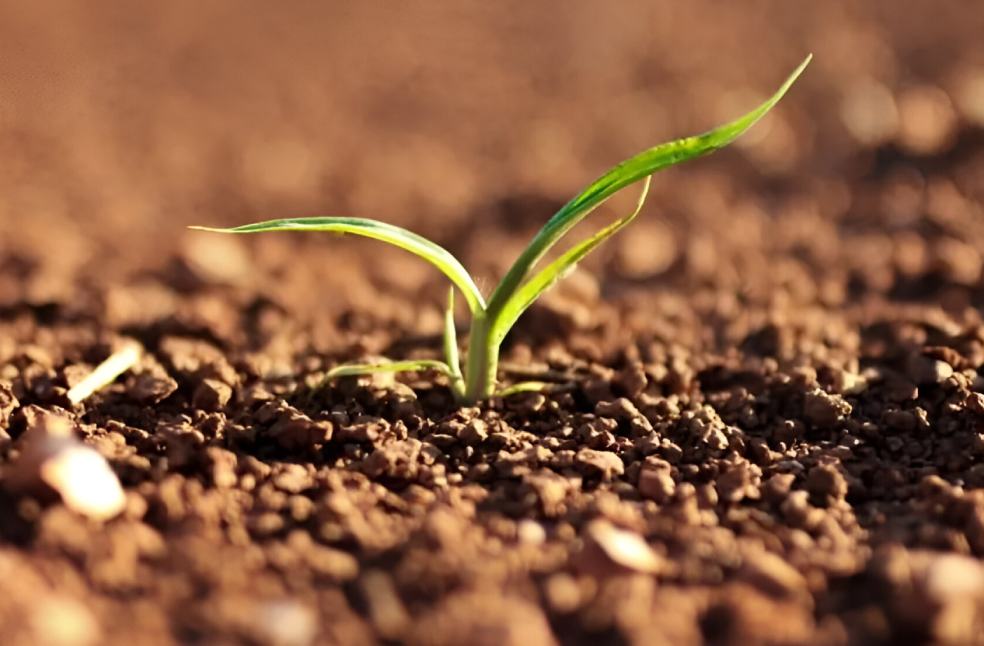
    Permanent shift to Drylands
    Image Via: UNCCD | Cropped by BH

    New York: An alarming new report has revealed that nearly a third of the land area larger than India has shifted from humid to dryland conditions in just the past three decades, particularly impacting agriculture and water resources. Drylands now account for 40 per cent of Earth’s land area, excluding Antarctica, with 75 per cent of the world’s land experiencing worsening aridity since 1990. The changes are likely to be permanent, according to the study by the UN Science Policy Interface, a body of scientists convened by the United Nations.

    The economic toll of increasing aridity is already being felt. Africa lost approximately 12 per cent of its GDP between 1990 and 2015 due to the expanding drylands, with future losses projected to reach 16 per cent for Africa and nearly 7 per cent for Asia by 2030. The report warns that global agricultural yields, particularly maize in Kenya, could plummet, with some regions seeing crop production halved by mid-century if current trends persist.

    Ibrahim Thiaw, Executive Secretary of the UN Convention to Combat Desertification (UNCCD), highlighted the irreversible nature of this transformation, stating that, “Unlike droughts, which are temporary, aridity depicts a permanent, unrelenting change to the climate that no longer allows for a return to previous conditions.”

    Water availability is also under threat. Drylands, where 90% of rainfall evaporates, will store remarkably less water by mid-century, with two-thirds of the planet’s land facing severe water scarcity. By 2100, an estimated 60 per cent of the global population will live in these arid regions, up from 30 per cent in 2020.
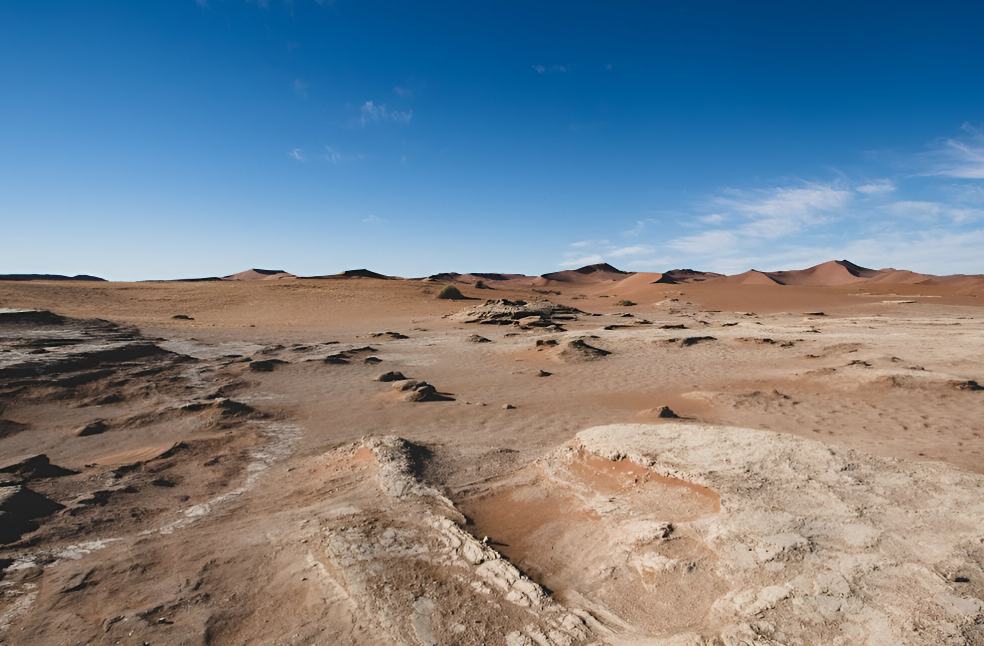
    Permanent shift to Drylands as aridity spreads worldwide
    Image Courtesy | Rob Zohrab@Pexels | Cropped by BH

    Experts warn that urgent action is needed. Barron Orr, Chief Scientist at UNCCD, stressed that the burning of fossil fuels is a major driver of this permanent drying, creating a malicious cycle of water insecurity, biodiversity loss, and soil degradation. Governments, including those participating in the current global conference in Riyadh, must take decisive steps to combat the crisis through sustainable agriculture, water management, reforestation, and emissions reduction.

    Despite the dire warnings, Saudi Arabia, one of the world’s most arid countries, has shown unwillingness to address the climate crisis directly, focusing more on land restoration efforts rather than acknowledging the role of climate change.

    Mark Maslin, a professor at University College London, called for comprehensive solutions, stating that, “We can curb emissions, adapt to drying conditions, and execute sustainable practices to reduce the impact of desertification.” Without immediate action, millions of people in vulnerable regions will face devastating impacts, including food shortages, forced migration, and worsening poverty.

    Kate Gannon, a research fellow at the Grantham Institute, emphasised the socio-economic repercussions, noting that rising aridity worsens inequality, exacerbates resource scarcity, and accelerates land degradation, leading to broader global challenges that demand urgent attention.

    MOST READ | Eurostar and Deutsche Bahn rank among Europe’s worst Rail Operators

    STAR OF SECTOR 2025
    Desertification Drylands Grantham Institute Permanent Shift to Drylands UN Convention to Combat Desertification UN Science Policy Interface University College London Water Scarcity Worsening Aridity
    Share. Facebook Twitter LinkedIn WhatsApp
    Avatar
    Trainee Reporter

    The news/article published above has been sourced, compiled, and corroborated by a Trainee Reporter at Britain Herald. If you have any queries or complaints about the published material, please get in touch with us at BritainHerald@Gmail.Com

    Newly Updated

    Burnham arrives in Kyiv to reaffirm UK support for Ukraine

    August 24, 2026

    New Zealand proposes social media ban for children under 16

    August 24, 2026

    Trump waves green flag as Freedom 250 Grand Prix begins

    August 24, 2026
    STAR OF SECTOR 2025

    Business

    Tesla recalls nearly 3 million EVs in China over door risks

    Business August 22, 2026

    Beijing: Tesla is among several automakers recalling more than 4 million vehicles in China over…

    Panama Canal to cut daily ship transits from September

    August 21, 2026

    India’s Swiggy targets higher Instamart margins with model shift

    August 20, 2026

    US delays new tariffs on Canadian goods after trade deal

    August 19, 2026
    Stay In Touch
    • Facebook
    • Twitter
    • LinkedIn
    • Instagram

    Curious

    Giant Python successfully treated with human cancer therapy

    August 21, 2026

    Forgotten history of dining tables and how we eat

    August 16, 2026

    Earth to witness billions receiving sunlight together

    July 8, 2026

    Ever wonder why lightning sounds different? Here’s why

    July 3, 2026

    Get the latest news around the globe

    Knowledge

    Why migration is transforming cities around the world

    Knowledge August 19, 2026

    Migration is transforming modern cities by changing their populations, economies, cultures and urban landscapes. People…

    Forgotten history of dining tables and how we eat

    August 16, 2026

    30 Days of Tai Chi: A new way to move and slow down

    August 15, 2026

    10,000-steps rule: Where did that number actually come from?

    August 2, 2026
    18-EA-387-TryEngineeringSummerInst_BannerAd_300x250_Robot
    About Us
    About Us

    Britain Herald is a global news brand that plays a significant role in educating and informing the masses with informative content, the latest updates, and current affairs across the World.

    Operated and Managed by WellMade Network, the portal is a sister concern of GCC Business News and Emirati Times. For inquiries about Media Partnerships, Investment and other opportunities in line with our Editorial Policy, please contact us at;

    Email Us: News@BritainHerald.com
    Whatsapp: +971 5060 12456

    We Have

    Burnham arrives in Kyiv to reaffirm UK support for Ukraine

    August 24, 2026

    New Zealand proposes social media ban for children under 16

    August 24, 2026

    Trump waves green flag as Freedom 250 Grand Prix begins

    August 24, 2026

    Torrential rain shuts schools and offices across southern Taiwan

    August 24, 2026
    Facebook X (Twitter) LinkedIn Instagram
    • Home
    • Business
    • Tech World
    • Awareness
    • Contact Us
    Privacy & Cookies Policy | Terms & Conditions
    © 2002 BritainHerald.com, An Initiative by WellMade Network

    Type above and press Enter to search. Press Esc to cancel.