


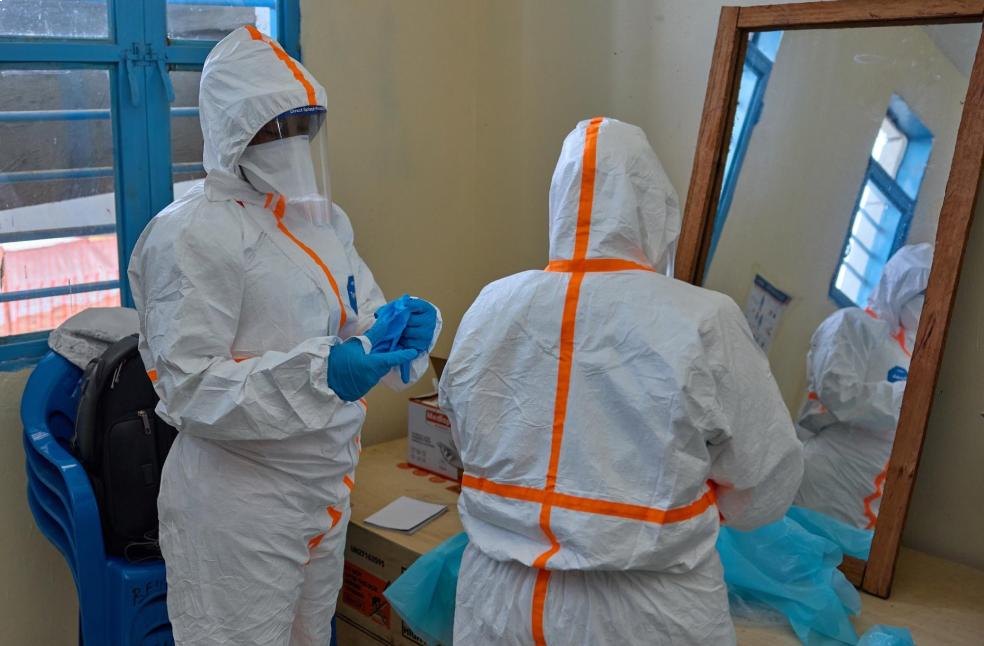
Abuja: Africa Centres for Disease Control and Prevention (Africa CDC) will send a team of leading Ebola scientists to Nigeria to investigate how the country’s first reported case in more than a decade became infected and determine whether the virus has spread undetected.
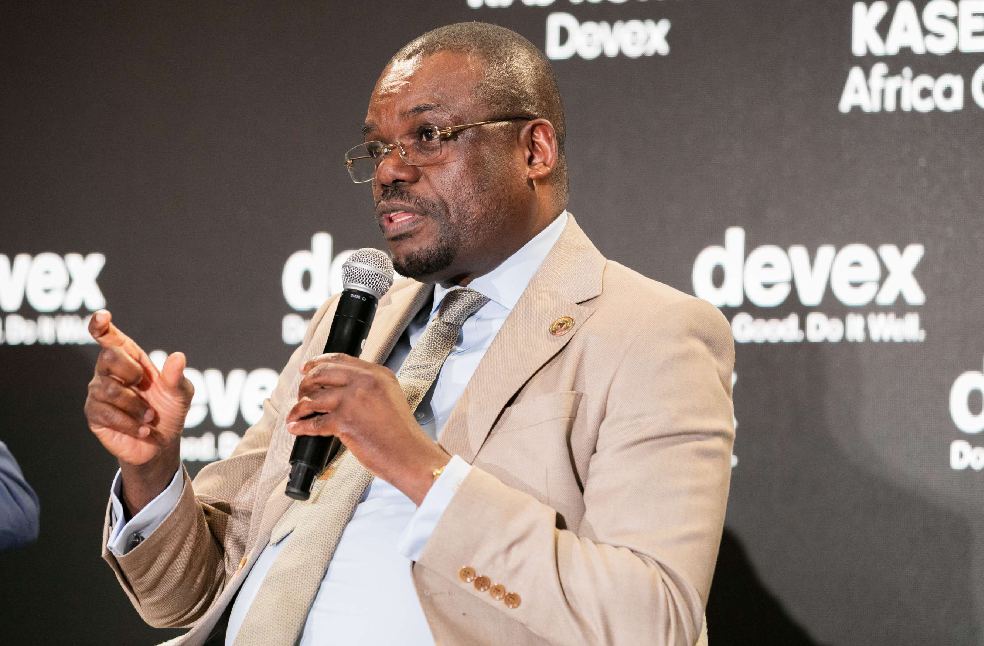
Jean Kaseya, Director-General of Africa Centres for Disease Control and Prevention (Africa CDC) stated that the investigation would focus on identifying the infection source and tracing possible transmission links. The findings could help authorities locate undiscovered cases and prevent further spread of the deadly Bundibugyo strain.
Scientists are examining a possible connection between the Nigerian patient and the first reported case in Kenya earlier this month. The Kenyan patient was a man who had travelled from the Democratic Republic of the Congo (DRC) and later died. Genomic sequencing results released on October 23 showed that the viruses detected in both patients were closely related. However, the findings do not establish that either patient directly infected the other.
The Nigerian patient had been on holiday in Uganda and travelled through Entebbe Airport on October 3. Kaseya noted that the Kenyan patient was likely at the airport around the same time, with flights departing approximately 40 minutes apart. The flights used different gates, and investigators not established whether the patients had contact.
Kaseya remarked that cooperation between the countries involved improves after disagreements over the possible origin of the Nigerian case. Ugandan authorities noted that the patient travelled to the DRC, while Nigerian authorities suggested the infection could have occurred in Uganda. Uganda was free of Ebola since August. The joint investigation aims to resolve these uncertainties and establish a clearer picture of how the virus spread.
The Nigerian patient, who is receiving care in Abuja, is showing signs of improvement and there is no recollection of meeting the Kenyan patient. Investigators are also considering indirect transmission through another person. The team will be led by Congolese scientist Jean-Jacques Muyembe, who co-discovered Ebola, and will examine additional sequencing data to determine where the Kenyan patient may have contracted the infection.
The wider Bundibugyo outbreak in the DRC causes almost 10,000 cases and more than 4,600 deaths. The outbreak also spread to Kenya, Nigeria and Uganda, affecting 4 African countries in total. Identifying possible transmission routes is critical to finding further cases and tracing contacts who may have been exposed.
Ebola can cause fever, vomiting and diarrhoea, with severe cases sometimes leading to internal and external bleeding. There is currently no approved vaccine or treatment specifically for the Bundibugyo strain, increasing the importance of scientific investigation, contact tracing and cooperation among affected countries to contain the outbreak.
RELATED POST | WHO advances Ebola vaccine trial in DR Congo outbreak