


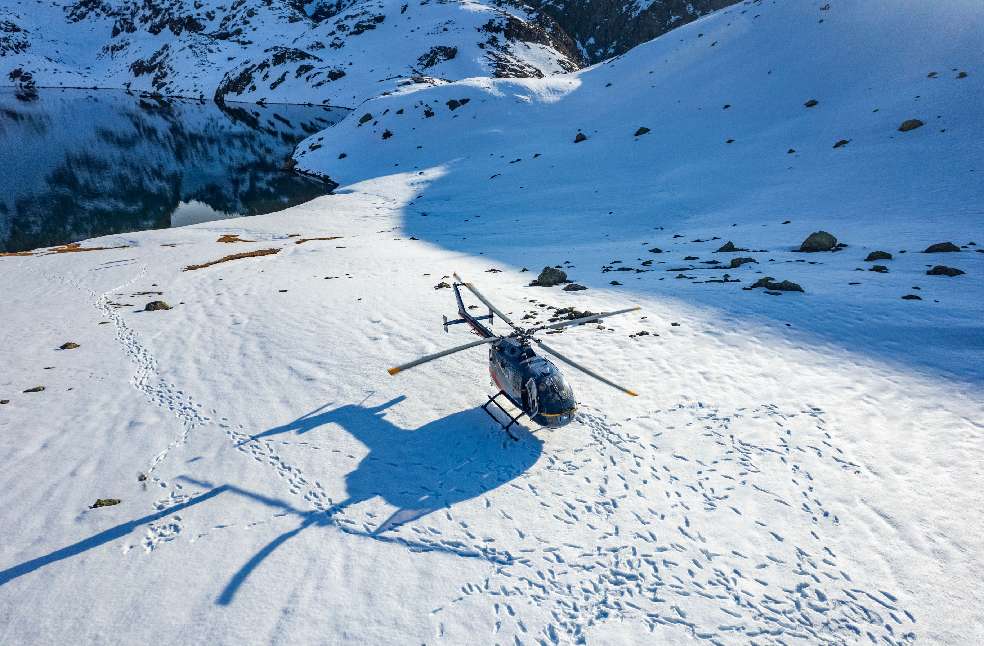
Dolomites: Melting glaciers in Italy’s Dolomites have exposed a cache of First World War munitions, prompting the Italian army to remove and defuse 250 explosives that had remained encased in ice for more than a century.
The weapons were discovered after hikers reported seeing unexploded bombs during the summer. The devices included Italian artillery shells and French mortar bombs left behind during fighting between Italian troops and the Austro-Hungarian army from 1915 to 1918.
The Italian Army’s Julia Alpine Brigade carried out the removal and defusing operation. Soldiers conducted an extensive search in the Canal San Bovo area of the Primiero Valley in eastern Trentino. The sweep also covered other high-altitude locations and glacier areas across the Trentino-Alto Adige region.
The discoveries are linked to the White War, a campaign fought in the Alps under extreme cold and hazardous mountain conditions during the First World War. The conflict took place mainly in the Dolomites of Trentino-Alto Adige and the Alps of Lombardy, where soldiers faced difficult terrain and severe weather.
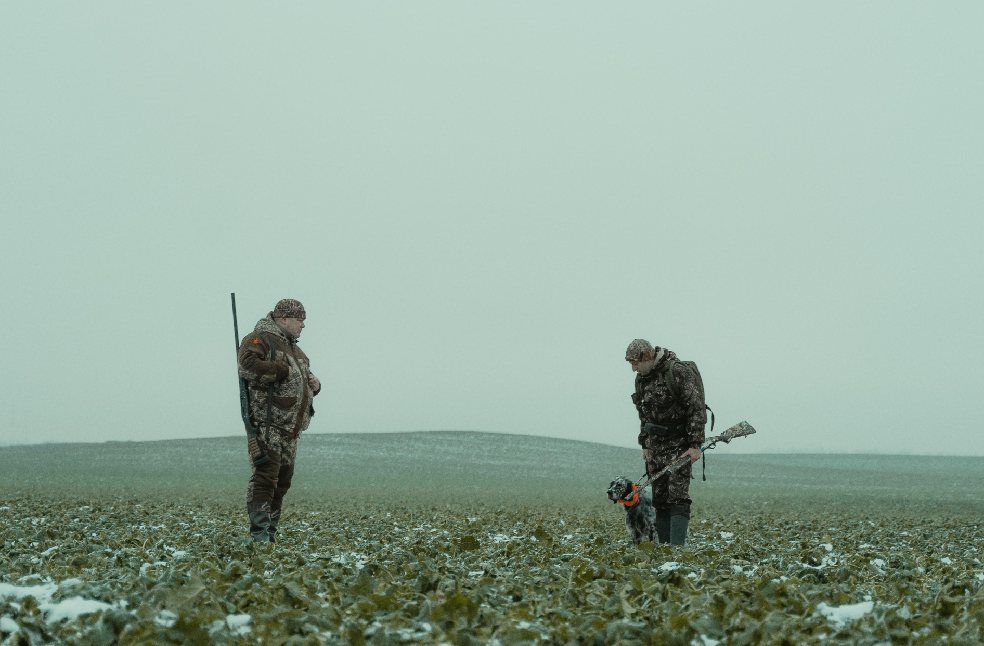
The latest findings highlight how retreating glaciers are revealing remnants of the conflict that have remained preserved in ice for more than 100 years. The exposure of these historical objects is not a new development. Glacial retreat has accelerated over more than a decade, bringing previously buried wartime materials back to the surface.
Since the 1990s, rising global temperatures helps to uncover a range of preserved relics from the White War. These have included weapons, sledges, letters and diaries, offering glimpses into the lives of soldiers who fought in the high mountains.
Authorities urges hikers and mountaineers to exercise caution when encountering unexploded munitions. Anyone who finds a suspected explosive device should avoid touching or moving it, regardless of its location, and report the discovery promptly to the police.
The army’s operation removed the 250 explosives identified during the search. However, the continued retreat of glaciers could expose further dangerous remnants of the war, making awareness among visitors and the safe handling of discoveries important in the affected mountain areas.
ALSO READ | Ebola scientists to investigate source of Nigeria’s infection
