


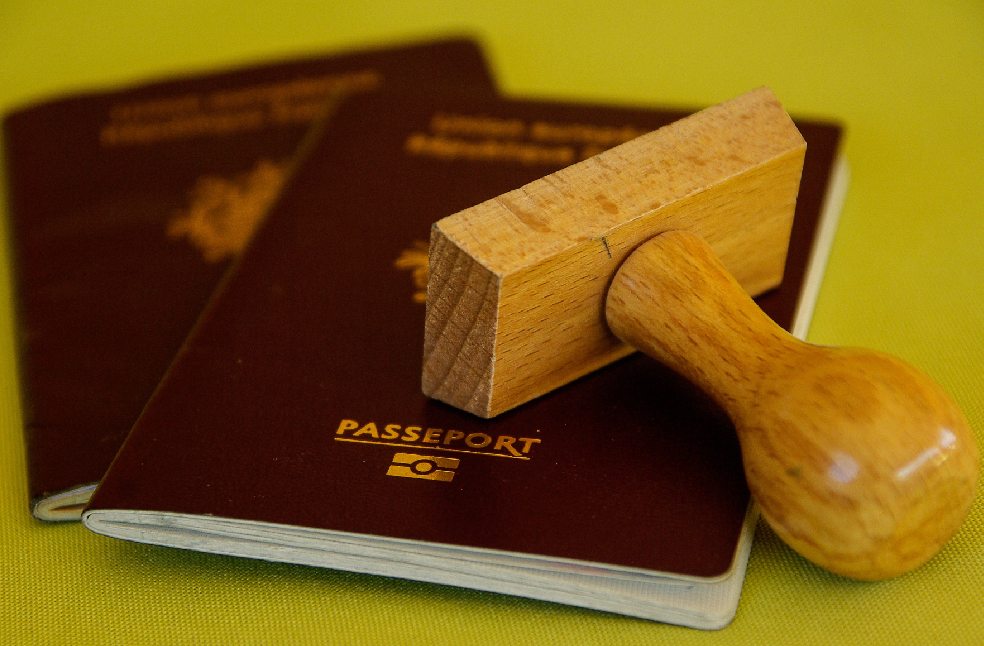
Beijing: China has introduced new travel rules giving authorities wider powers to restrict citizens from leaving the country and control overseas activities.
Under the new rules, Chinese citizens judged to have harmed national security or national interests abroad can be prevented from leaving China for up to 3 years after returning. People who breach rules governing technology imports and exports can also face exit bans.
Chinese authorities say the measures are intended to protect national sovereignty and security. Authorities have rejected suggestions that the rules are aimed at restricting ordinary citizens. The regulations also seek to address cases involving people being deceived into travelling abroad as well as illegal gambling and scam activities.
Critics argue that the changes could give Beijing greater scope to pressure Chinese nationals over activities outside the country. Some citizens have already reported facing unclear travel restrictions that can remain in place for years.
Publicly available information does not allow Chinese citizens to independently check whether an exit restriction applies to them. Unless authorities provide written or verbal notification, affected people may only discover a restriction when applying for travel documents or attempting to leave the country.
China’s Administrative Licensing Law requires authorities to explain in writing why an administrative licence has been denied. However, this requirement is not always enforced in practice.
China’s Supreme People’s Court database contained 89 records referring to exit bans in 2016. The figure reached 188,760 by last year. The share of civil verdicts involving exit bans also rose more than 30 times between 2019 and 2025. The proportion increased from about 0.23 percent to 7.3 percent.
The actual number of cases is believed to be higher because an increasing number of court judgments were withheld. Under the new rules, border officials must also advise Chinese citizens against travelling to countries and regions considered high-risk.
Some civil servants, employees of state-owned enterprises and ordinary citizens were already subject to restrictions on travel to certain countries before the new measures took effect. The changes come against a wider historical backdrop.
China was largely isolated from the outside world during Mao Zedong’s rule. International travel became increasingly common for Chinese citizens during the 1990s after economic reforms and the country’s opening-up policies.
MOST READ | UK lawmakers call for new law to tackle AI human rights risks
