


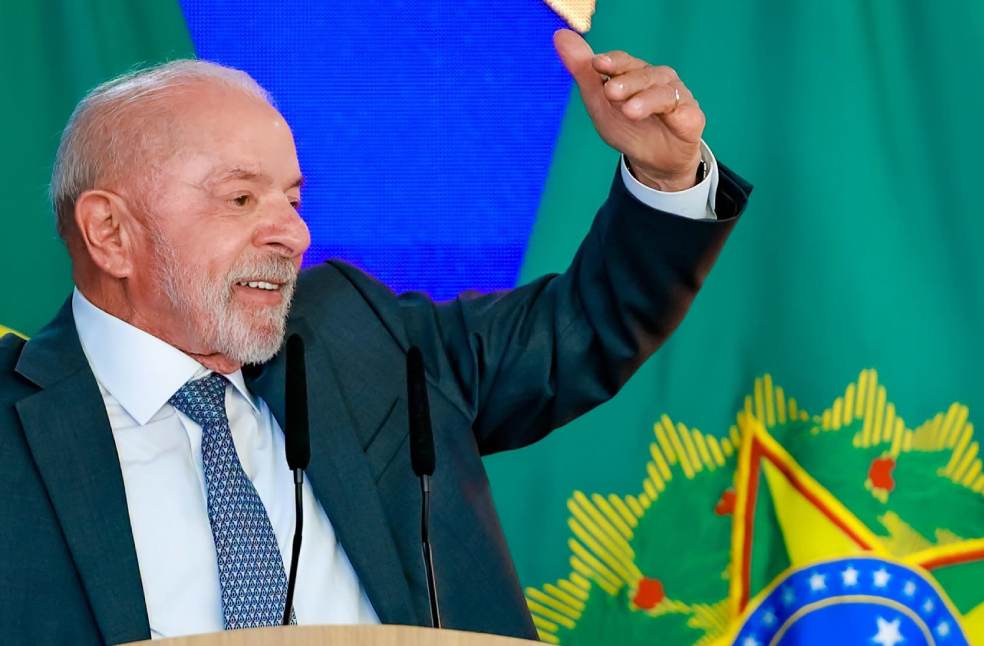
Brasília: Brazil’s Congress has approved a constitutional amendment to reduce the maximum working week from 44 to 40 hours, a major labour reform that could benefit more than 30 million workers and strengthen President Luiz Inácio Lula da Silva’s re-election campaign ahead of the presidential runoff on October 25.
The reform, which seeks to improve work-life balance and provide employees with additional time off, received overwhelming support in the Senate. A total of 76 senators voted in favour, while only one opposed the measure. The proposal had already passed the lower house in May.
The amendment will gradually phase out the six-day working week, commonly known as the 6×1 schedule, under which employees work six days and receive one day off. Around 16 million people currently follow this arrangement, particularly in sectors such as retail, restaurants and hospitality.
Under the approved changes, the maximum working week will initially be reduced from 44 to 42 hours following 60 days after the amendment’s promulgation. The limit will subsequently fall to 40 hours after a further 14 months. The changes will therefore not take effect before the presidential runoff.
Lula has strongly backed the reform, presenting it as a measure to improve workers’ quality of life and strengthen social well-being. Celebrating the Senate’s approval, he stated that ending the six-day schedule would give people more time to rest, spend time with their families, care for themselves and enjoy life beyond work.
The proposal originated from a social media campaign called Life Beyond Work, which began on TikTok and was founded by a pharmacy assistant. The movement gained widespread public support before receiving backing from Lula and his political party.
The reform has also become a significant issue in the presidential race, with Lula seeking to regain ground against far-right senator Flávio Bolsonaro, who secured an advantage in the first round. Bolsonaro opposed the proposal for months, warning that the change could lead to unemployment, but reversed his position shortly before the Senate vote.
The senator joined the majority in supporting the amendment, arguing that most Brazilian workers favoured the change. However, he maintained his support for an alternative proposal that would link wages to the hours actually worked. He has also indicated that certain aspects of the approved reform could be reviewed if he wins the presidency.
Public opinion has played a key role in shaping the political debate, with polls indicating that more than 70 percent of Brazilians support the reduction in working hours. The proposal has attracted particular attention among lower-paid workers, a group from which Lula has lost some support since the 2022 presidential election.

Political researcher Victor Escobar remarked that the reform could help Lula’s campaign by addressing voters’ economic concerns and offering the prospect of a better work-life balance. He noted that the election remained competitive despite Bolsonaro’s advantage.
Labour experts have also highlighted the potential health and social benefits of reducing working hours. Marilane Oliveira Teixeira, a professor and researcher at the University of Campinas, highlighted that employees working six days a week often have limited opportunities to maintain social relationships, pursue education or attend to personal needs.
She added that the burden could be particularly difficult for women, who frequently balance paid employment with unpaid domestic responsibilities. For workers currently following the six-day schedule, the reform could provide greater flexibility to manage family commitments, healthcare appointments and personal development. However, its practical impact will depend on the implementation of the new rules and how employers adapt their working arrangements.
With the presidential runoff approaching, the reform has emerged as both a major labour policy development and a potential electoral advantage for Lula. While the final outcome of the election remains uncertain, the debate over working hours has placed workers’ rights and quality of life at the centre of Brazil’s political agenda.
MOST READ | China and North Korea to open New Yalu River Bridge
