


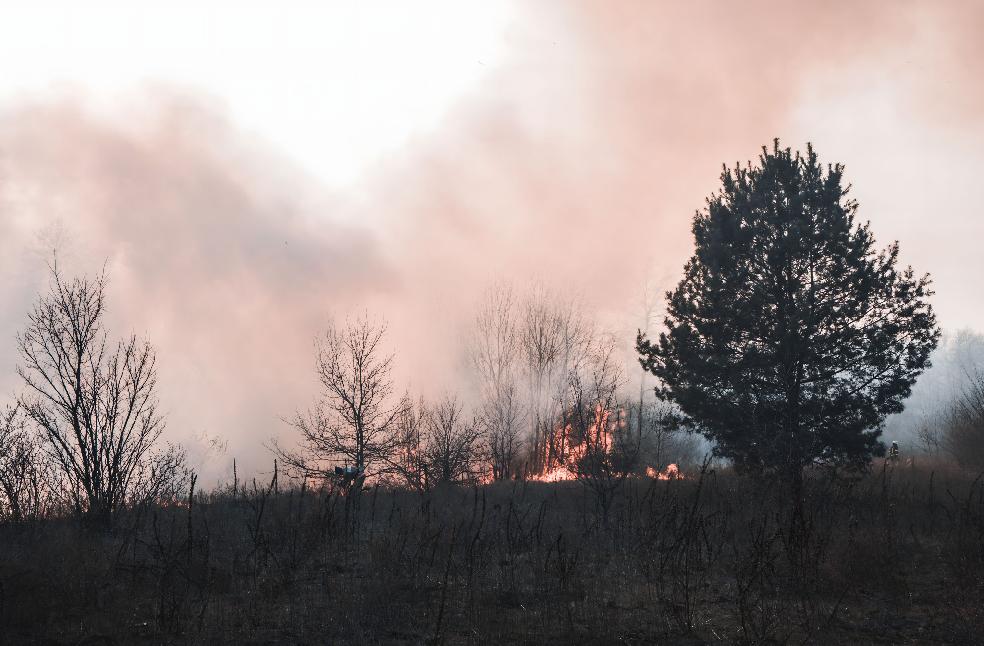
Borneo: Indonesia’s wildfires have burned around 1.9 million hectares since the start of the year, spreading toxic haze across Southeast Asia and exposing millions of people to serious health risks.
In Indonesian Borneo, the thick smog takes on a rust-coloured appearance when sunlight filters through the polluted air. Cars, homes and streets fade in and out of the haze, creating difficult conditions for residents. The fires have devastated forests, wetlands and peatlands, while prolonged drought has made firefighting more difficult.
The fires also created a major air pollution problem. Smouldering forests, swamps and peatlands release fine particles and carbon monoxide into the atmosphere. The resulting haze spread across Indonesia and reached neighbouring countries, including Singapore, Malaysia and the Philippines.
Indonesia’s Health Ministry recorded more than 277,000 cases of chronic coughs and acute respiratory infections by mid-October. More than 62,000 cases involved infants and children under the age of five.
The crisis disruptes daily life and livelihoods across affected areas. Farmers, daily-wage earners and small vendors face a difficult choice between going outdoors to earn an income and limiting exposure to hazardous air. Many people have little option but to remain indoors and wait for conditions to improve.

Children, older adults and pregnant women face particular risks from prolonged exposure to polluted air, with health effects potentially worsening over time.
Public pressure on the Indonesian government increased as residents call for stronger action to contain the fires. Critics questiones the authoritie’s response, while officials maintain that several measures are under way to control the flames and reduce the smoke.
Last week, the government noted that more than 60,000 personnel was deployed for ground operations. Authorities reported an 80 percent success rate in extinguishing new fires. Other measures included aerial waterbombing and experimental weather modification intended to support firefighting efforts.
Seasonal wildfires are a recurring problem in Indonesia, but this year’s conditions was intensified by a phenomenon described as a Super El Niño. The weather pattern aggravated drought and delayed rainfall that is crucial for putting out fires in peatlands.
For people working on the frontline, the prolonged dry conditions have made the battle increasingly difficult. Firefighters such as Juni have spent months confronting fires that continue to resist containment, while communities across Indonesia and Southeast Asia wait for relief from the smoke and its effects.
ALSO READ | Asian markets decline while oil climbs ahead of key AI results
