


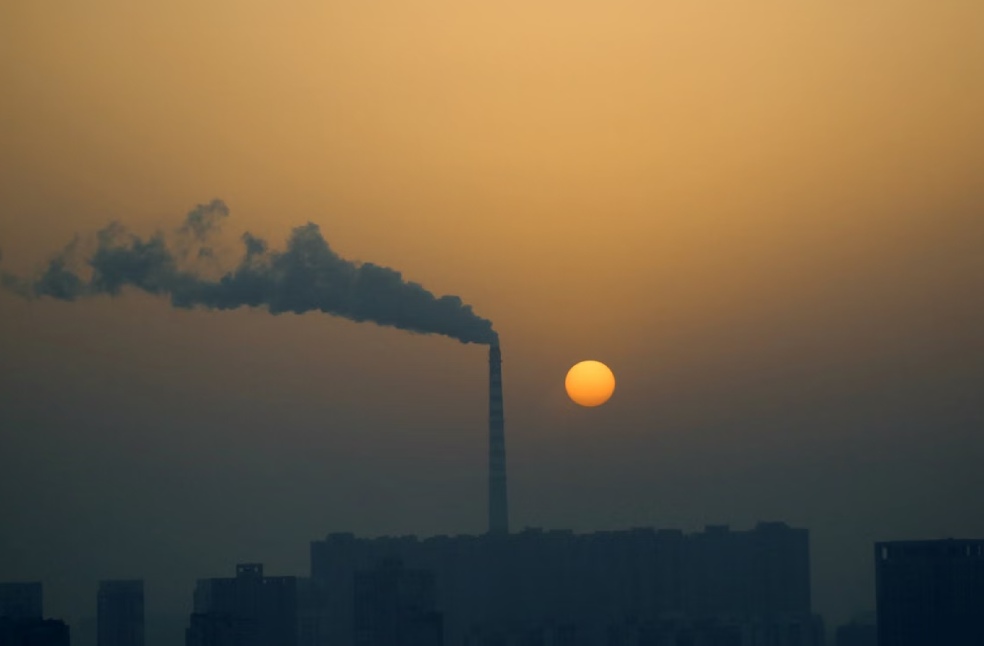
Geneva: Global greenhouse gas emissions must fall by 18 percent by 2030 to limit the severity of climate change, the United Nations Environment Programme (UNEP) warned, saying the world can still reduce the scale of global warming despite the loss of a realistic path to staying within the 1.5C target without or with only limited overshoot.
UNEP’s 2026 Emissions Gap Report says emissions must decline by 45 percent by 2035 and 69 percent by 2040, compared with 2025 levels, to follow a pathway that could eventually return global temperatures to 1.5C above pre-industrial levels. The report stresses that these reductions are far greater than the cuts expected under current national climate commitments.
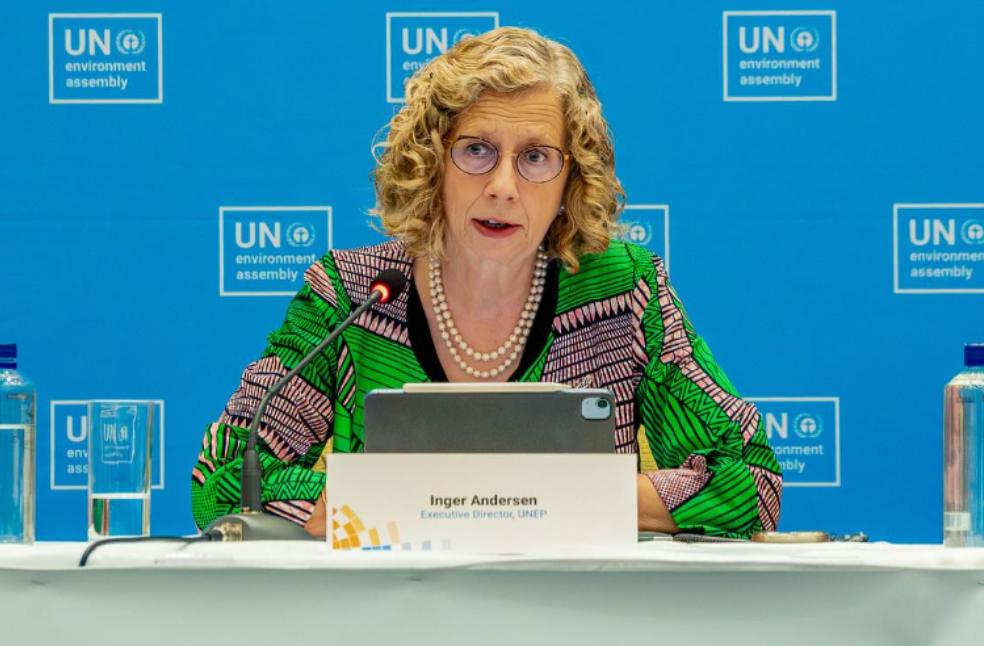
UNEP Executive Director Inger Andersen stated that governments had failed to act with the urgency required to meet the original target. However, Andersen urged countries not to abandon the 1.5C goal, arguing that swift action could limit the duration and magnitude of the temperature overshoot.
The report warns that global temperatures could rise by around 2.6C by 2100 if countries fulfil their existing climate pledges. Under current policies, warming could reach 2.8C, increasing the risks of extreme heat, wildfires, damage to ecosystems and other climate impacts. Scientists have also warned that greater warming raises the risk of triggering irreversible changes in the climate system.
Despite the warnings, researchers point to expanding renewable energy capacity and the growing availability of low-carbon technologies as opportunities to accelerate emissions reductions. Cutting methane, a powerful greenhouse gas, could also help slow near-term warming, while governments face pressure to reduce dependence on fossil fuels.
The report calls for countries to strengthen their climate policies and turn long-term pledges into immediate action. UNEP says limiting the temperature overshoot and returning to 1.5C by the end of the century remain possible, but would require much deeper emissions cuts and large-scale removal of carbon dioxide from the atmosphere.
MOST READ | Support for NHS free care and universal access declines in UK