


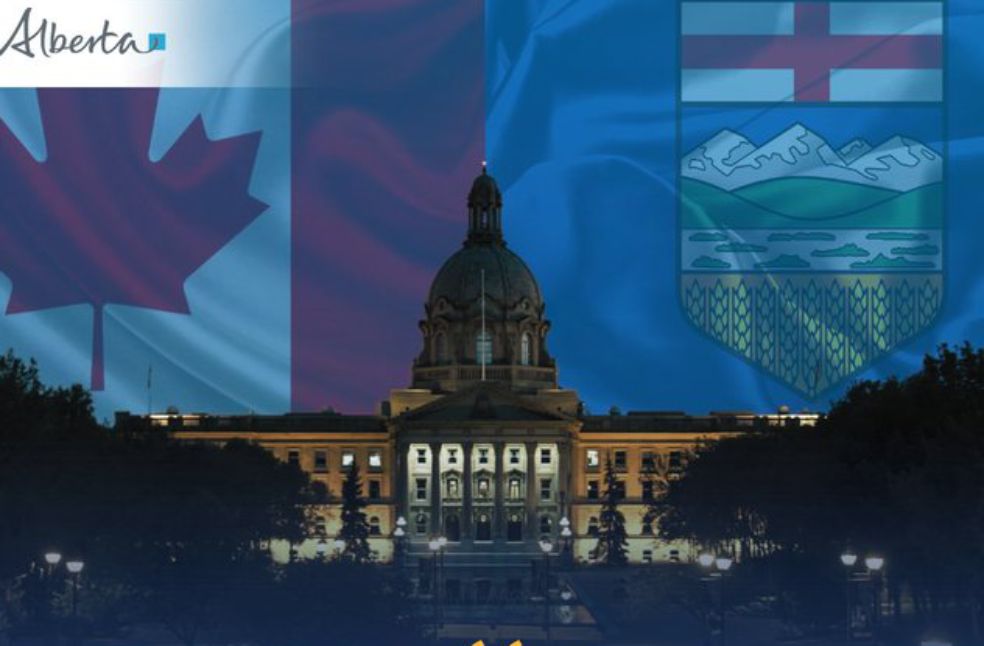
Alberta: Voters in Alberta have overwhelmingly backed remaining part of Canada, according to projected results from a public ballot that asked whether the western province should proceed towards a future independence referendum.
With most votes counted, more than two-thirds of voters had supported keeping Alberta within Canada rather than pursuing a binding referendum on separation, according to Elections Alberta. The outcome was welcomed by Canadian Prime Minister Mark Carney, who described the result as ‘a clear choice’ by Albertans.
Alberta Premier Danielle Smith also welcomed the initial results, saying residents had voted for a stronger Alberta in a united Canada. Smith had called the ballot in response to a public petition supporting independence, despite opposing the separatist movement herself.
My statement on Albertans choosing to build a stronger Canada, together: https://t.co/pNXb427wXI
— Mark Carney (@MarkJCarney) October 20, 2026
The vote was viewed as a significant test of Canadian national unity, as separatist supporters argued that Alberta’s oil-rich economy had been held back by federal environmental policies introduced by the government in Ottawa. They believe greater independence would allow the province to exercise more control over its natural resources and economic future.
However, supporters of remaining within Canada, including Carney, argued that national unity was particularly important amid external economic pressures, including the ongoing trade dispute with the United States.
The independence campaign suffered a setback following the projected results. At a pro-separatist gathering in Edmonton, the atmosphere reportedly changed as the outcome became clear. Despite the defeat, separatist leader Jeffrey Rath vowed to continue the movement, describing the ballot as a first step that had provided valuable lessons for future efforts.
Rath, a Calgary-based lawyer, maintained that the economic arguments for independence remained strong. Asked whether the movement would continue pursuing votes until it achieved its desired outcome, he responded positively, indicating that supporters were not prepared to abandon their campaign.
The ballot followed a grassroots petition that reportedly collected around 300,000 signatures calling for a binding referendum on separation. However, a judge blocked the petition, ruling that it had failed to adequately consult Indigenous First Nations communities. Smith subsequently decided to proceed with the public ballot. An opposing petition against separation gathered more than 400,000 signatures.
Although the projected results indicate strong support for remaining part of Canada, the debate over Alberta’s political future is expected to continue. Separatist leaders have indicated plans to challenge Smith’s position within the governing United Conservative Party in an effort to install a leader more supportive of independence.
Canada has previously faced major separatist challenges, particularly in Quebec, which held independence referendums in 1980 and 1995. Both attempts failed, although Alberta separatists argue that Quebec’s independence movement helped the province secure greater political leverage with the federal government.
In addition to the question of Alberta’s future within Canada, the ballot included nine other questions covering immigration and constitutional matters, reflecting broader debates over provincial autonomy and the country’s political direction.
MOST READ | Revolut faces service outage as customers report payment issues
