



La Paz: Bolivia has declared a nationwide state of emergency to mobilise resources and respond to the impacts of the El Niño weather phenomenon, which is expected to bring severe droughts and flooding.
President Rodrigo Paz signed the emergency decree on October 31, calling for the deployment of additional rescue teams to areas severely affected by floods and water shortages. The move is intended to help authorities direct resources more quickly to communities facing weather-related challenges.
Paz warned that El Niño could have ‘very severe impacts’ through droughts and floods, stressing the need for cooperation among government institutions to address the situation.
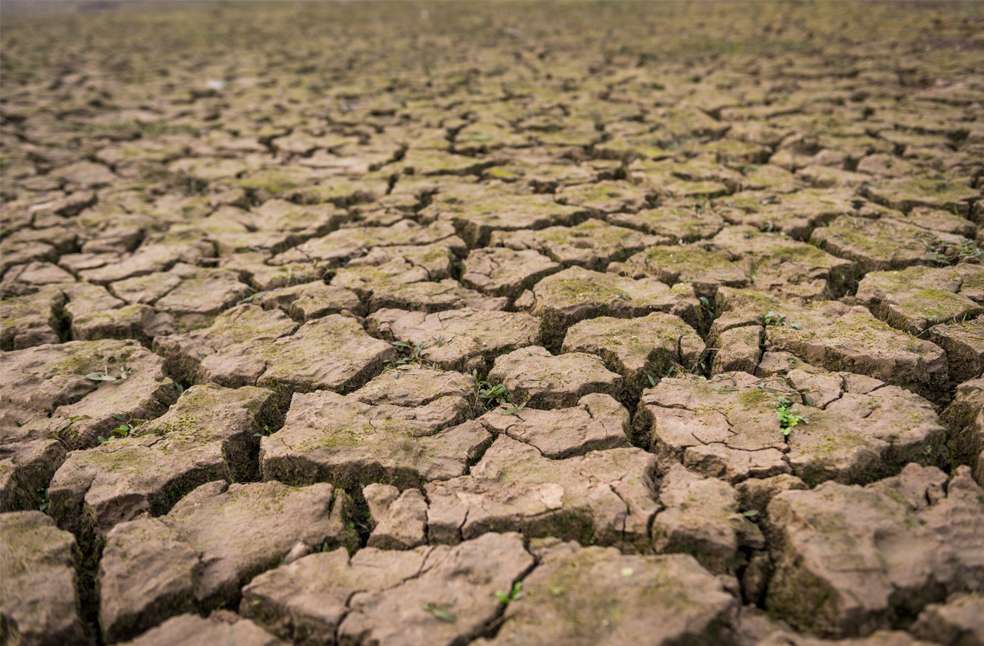
Drought is currently affecting around 78,000 families across six of Bolivia’s nine departments and has resulted in the loss of more than 75,000 cattle, according to a government report released this week.
The country is also vulnerable to flooding. In December 2025, floods in the Santa Cruz region claimed dozens of lives, highlighting the risks posed by extreme weather conditions.
Elsewhere in South America, neighbouring Chile’s capital, Santiago, recorded its wettest October on record, while wildfires in Peru killed at least 12 people last month.
El Niño is a naturally occurring climate phenomenon that typically develops every two to seven years. It involves the warming of Pacific Ocean waters, which influences global wind patterns, atmospheric pressure and rainfall, sometimes resulting in extreme weather conditions.
The intensity and effects of the phenomenon vary across regions. The current cycle could become the strongest on record and is expected to peak towards the end of 2026, with its effects potentially continuing into 2027.
Scientists have warned that the phenomenon could have serious global consequences, with estimates suggesting it could contribute to more than 450,000 deaths worldwide, particularly affecting poorer countries.
In early September, the World Meteorological Organization reported a nearly 100 percent likelihood that El Niño conditions would persist through February 2027.
MOST READ | Toyota, Waymo to test self-driving bZ4X fleet in Japan