



Australia: The government of Australia will begin a targeted bird flu vaccine programme for vulnerable native and captive birds as the H5N1 outbreak continues to spread.
The government announced on August 11, 2026, that vaccines worth AU$2 million ($1.4 million; £1 million) are available for the programme. The supply includes about 1,500 vials. States and territories will manage the rollout under an agreed national approach.
Australia recorded its first case of the highly contagious H5N1 strain in June, more than 230 cases have since been confirmed. The outbreak also caused the first mass mortality event among Australian wild birds. About 50 greater crested terns died from bird flu on an island off the coast of South Australia last week.
Julie Collins, Agriculture Minister stated that the vaccination programme cannot stop the wider spread of the outbreak. The strategy instead focuses on protecting priority species considered most vulnerable to the disease.
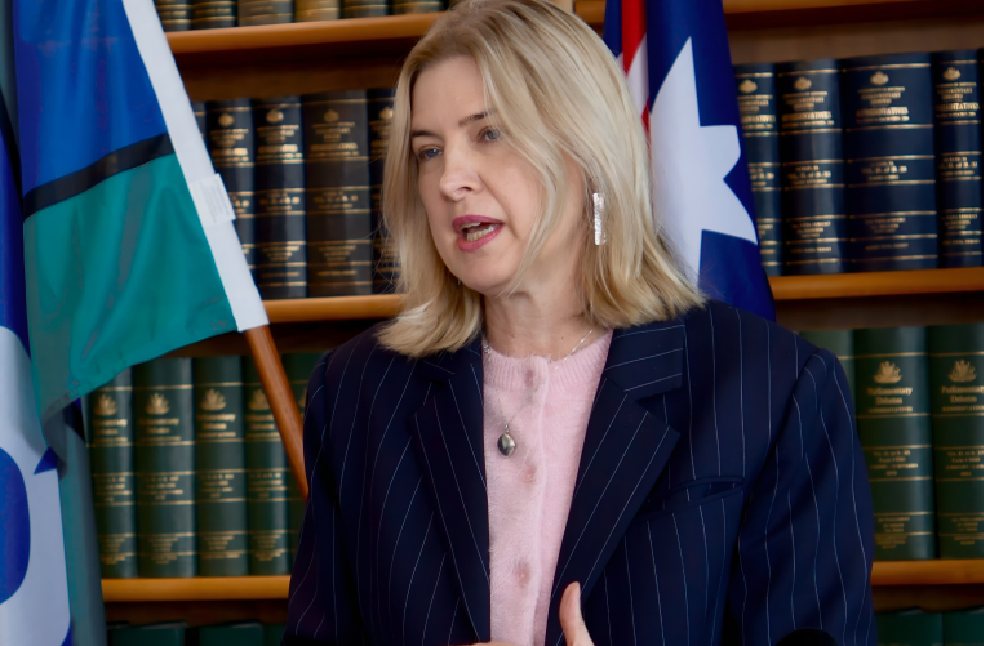
Collins noted that the risk to humans remains low and there is also no evidence that the outbreak affected the Australia’s poultry or agriculture sectors. The first vaccines are expected to be administered in the coming days and weeks. Native species and birds kept in captivity will receive priority under the targeted approach.
Murray Watt, Environment Minister, remarked that each bird will require 2 doses. Watt described the outbreak as a serious event and highlighted the difficulty of controlling the spread among wild birds across the country.
The government also assessed the vulnerability of more than 2,000 unique Australian native birds and mammals. The assessment considers the susceptibility of each species to bird flu and the potential impact on populations.
A small number of species have been identified as facing possible extinction. Hundreds more could experience a severe reduction in population if the disease continues to spread. The targeted bird flu vaccine plan aims to provide protection to the species considered most at risk while Australia continues to monitor the wider H5N1 outbreak.
RELATED POST | South Australia detects more suspected H5 bird flu cases
