


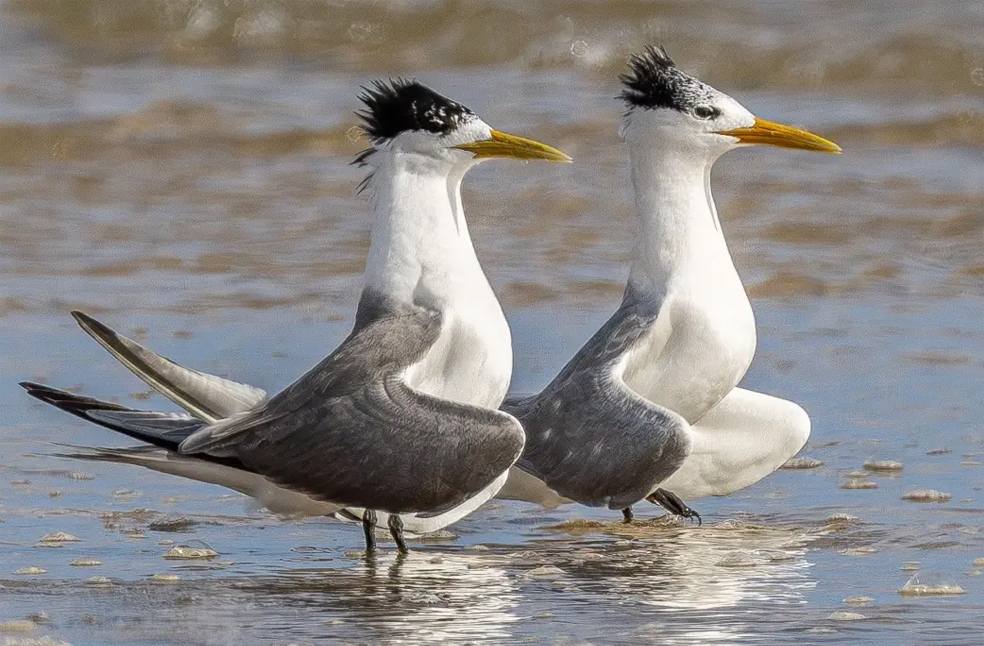
Adelaide: South Australia has reported seven new suspected cases of highly pathogenic H5 bird flu in wild seabirds, raising concerns that the virus may now be spreading among local bird populations.
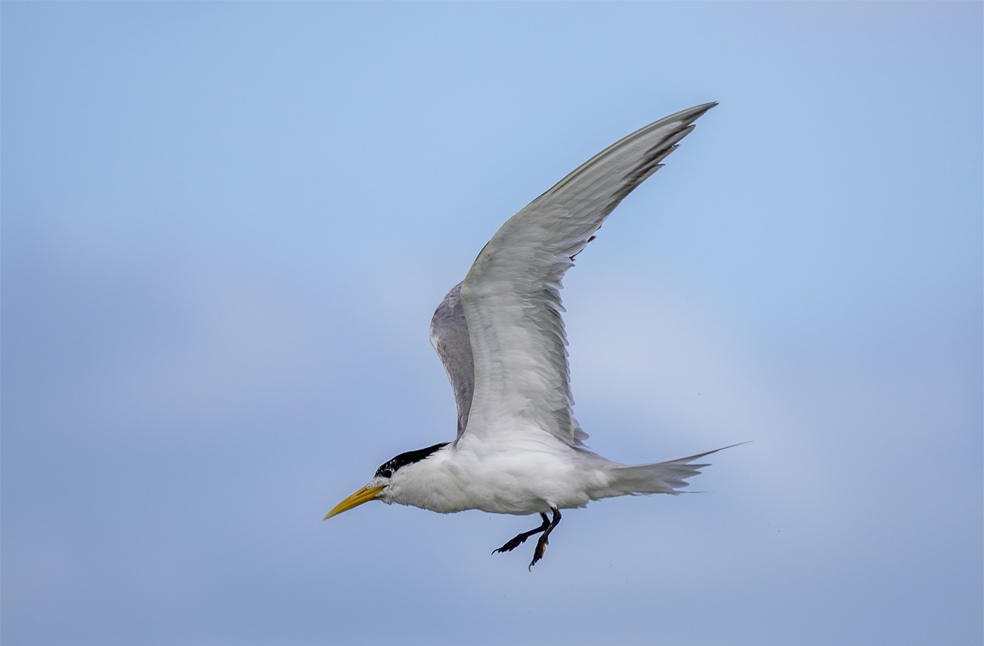
The suspected cases involve greater crested terns, with one bird found at Cape Jaffa, five near Southend Jetty close to Beachport, and another at Port MacDonnell, about 20 kilometres from the Victorian border.
The latest discoveries follow two confirmed H5 bird flu cases in greater crested terns over the weekend, including the first confirmed detection in metropolitan Adelaide. If laboratory testing by the CSIRO confirms the new suspected cases, South Australia’s total will rise to 14 infections, with 10 involving local greater crested terns.
Of the five birds found near Southend Jetty, four were sick, and one was dead, while the birds recovered at Cape Jaffa and Port MacDonnell had also died. Conservation group BirdLife Australia said the new cases suggest the outbreak may be moving beyond isolated imported infections and could indicate local transmission among wild birds.
South Australia’s Primary Industries Minister Clare Scriven described the development as concerning but noted that all confirmed and suspected detections so far have been limited to wild seabirds. Authorities have not detected the virus in poultry or the wider agricultural sector, which officials said is encouraging.
Samples have been sent to the CSIRO for analysis to determine whether the virus is spreading between local bird populations. State Chief Veterinary Officer Dr. Skye Fruean noted that it remains too early to determine whether the birds found around Southend Jetty represent a cluster of locally transmitted infections.
The South Australian government is increasing surveillance efforts, including targeted monitoring in areas where greater crested terns are commonly found, while continuing its existing disease surveillance programme.
Spring breeding season
Experts have also warned that the approaching spring breeding season could increase the risk of transmission, as greater crested terns gather in large nesting colonies and interact with other coastal and wetland bird species.

BirdLife Australia noted that the suspected bird flu cases are located near breeding colonies of the endangered fairy tern, raising concerns about the potential impact on vulnerable native bird populations.
Federal Agriculture Minister Julie Collins said that the laboratory testing is underway to determine whether the latest detections represent local transmission. Collins stressed that there have been no mass bird deaths, no evidence of H5 bird flu in Australia’s poultry or agricultural industries, and that the risk to human health remains low.
The Invasive Species Council noted that the confirmed local transmission would represent a significant new phase of the outbreak, potentially indicating the virus is spreading through Australian wildlife rather than being limited to infected migratory birds.
The South Australian government has advised the public not to touch sick or dead birds. Instead, people should record the location and report sightings to the Emergency Animal Disease Hotline so trained authorities can investigate safely.
MOST READ | Fake Spotify payment emails steal login and card details
