


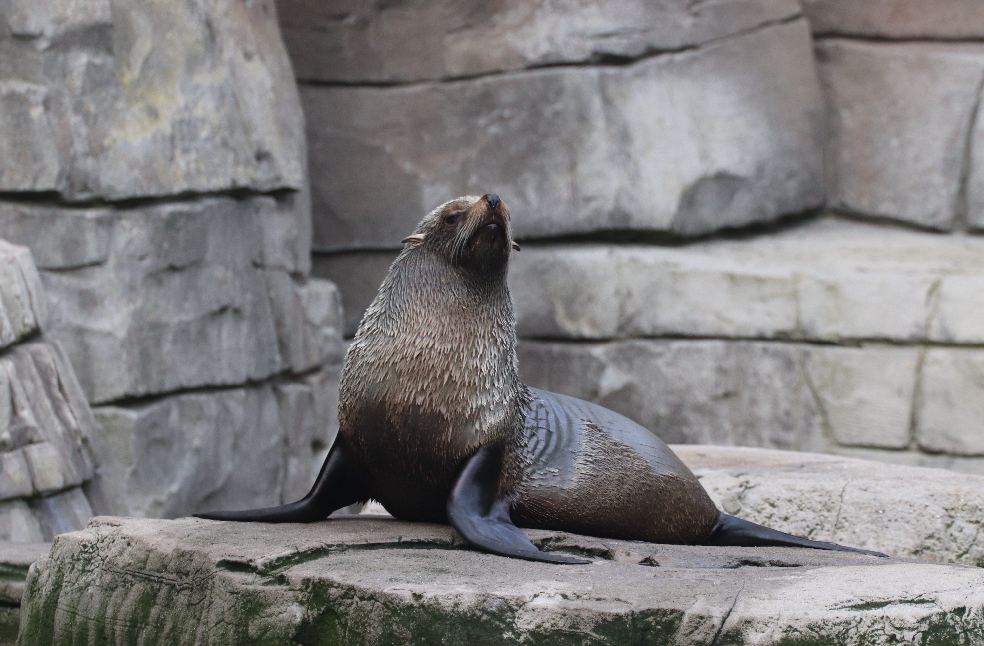
Sydney: Australia has confirmed its first H5N1 bird flu case in a local mammal after the deadly virus was detected in a long-nosed fur seal in South Australia.
The seal was found dead near the coastal town of Beachport, about 310 km from Adelaide. South Australian authorities confirmed the country’s first mammalian detection as Australia continues to deal with a growing outbreak of highly pathogenic avian influenza.
The long-nosed fur seal showed no signs of injury. The species has an estimated population of about 100,000 in South Australian waters.
View this post on Instagram
Federal Agriculture Minister Julie Collins stated that the animal’s death did not appear to be linked to other sick or dead marine mammals. Collins added that significant losses could not be avoided once H5 bird flu began spreading through the natural environment.
The detection follows Australia’s first mass seabird deaths linked to H5N1 earlier this month. The outbreak intensified after the virus entered the country in June through migratory seabirds before spreading to native species.
Health and wildlife authorities continue monitoring the spread of the virus across affected areas. The latest case marks a further development in the outbreak by confirming that the virus reached a local marine mammal.

Despite the spread among wild animals, H5N1 remains undetected in Australia’s poultry sector and agricultural industry. The federal government reported 297 confirmed cases nationwide as of August 21.
The discovery in the fur seal has added to concerns about the impact of the virus on Australia’s wildlife. Authorities continue monitoring affected populations as the disease spreads through the natural environment and threatens further losses among native species.
The first mammalian case also highlights the growing impact of the outbreak on different animal species. Wildlife authorities are expected to continue surveillance efforts as H5N1 circulates among birds and other animals across Australia.
RELATED POST | South Australia detects more suspected H5 bird flu cases
