


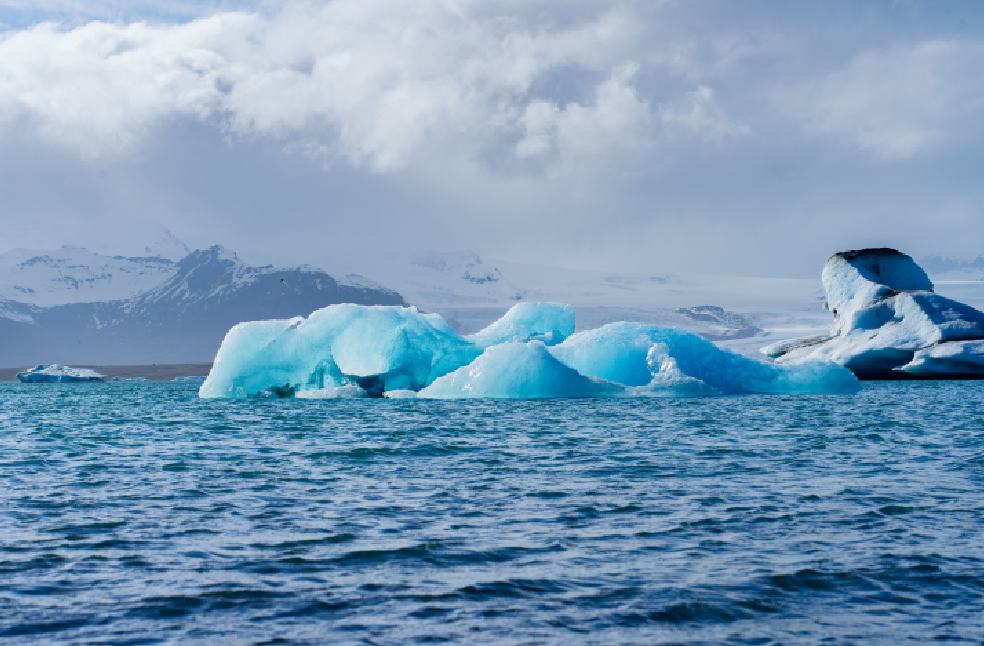
London: The Arctic sea has experienced its largest winter ice reduction on record, ending a brief slowdown in melting and raising environmental concerns.
Researchers have found that a previously observed pause in ice loss no longer holds, with fresh satellite data showing a sharp drop in ice coverage. The findings follow earlier research which indicated that sea ice decline had slowed over the past 20 years.
That earlier study showed no statistically significant reduction in Arctic sea ice extent between 2005 and 2024. The result surprised scientists due to rising global temperatures during the same period. Researchers attributed the slowdown to natural variations in ocean currents, which appeared to limit melting and offset warming effects.
Scientists had warned that the slowdown would likely be temporary. Projections suggested that ice loss could resume at nearly double the long-term rate within five to 10 years. Longer-term climate models have also indicated that continued global warming could accelerate seasonal ice decline beyond current projections.
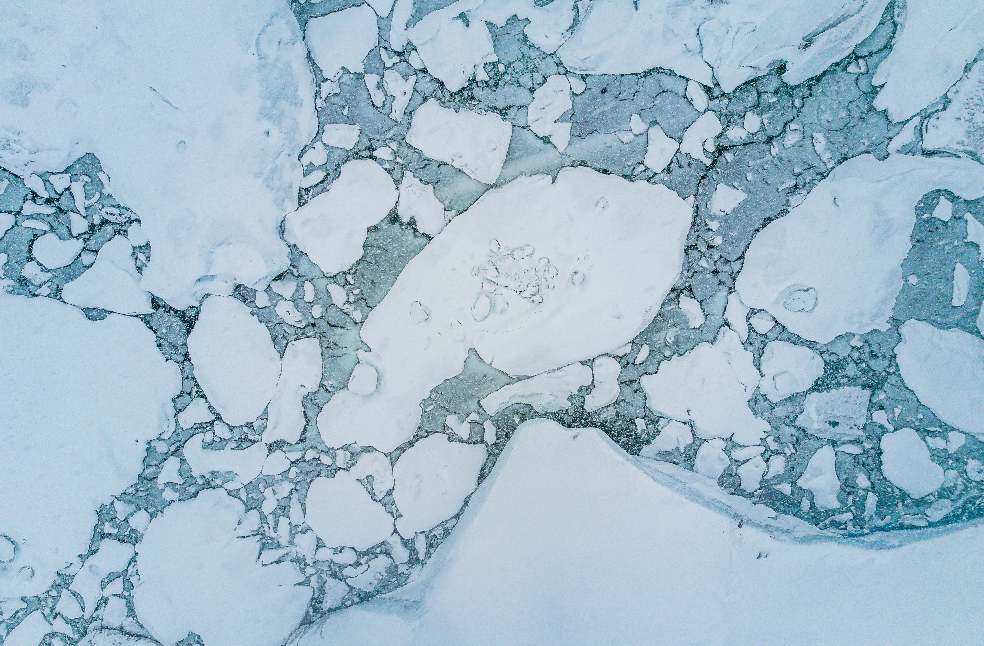
The new analysis now clearly confirms a reversal of this trend, signalling that the brief slowdown has ended and ice loss is accelerating once again. Using updated satellite observations, researchers concluded that the earlier slowdown represented a short-term fluctuation rather than a lasting shift.
Data shows that Arctic sea area in September has reduced by half since 1979, when satellite monitoring began. The latest findings highlight a sharp year-on-year decline between 2024 and 2025 in ice levels.
The study recorded a 5.8 percent drop in sea ice during winter, based on the latest satellite observations of seasonal ice coverage. This marks the largest annual winter decline ever observed since consistent records began, highlighting a sharp shift in recent Arctic ice trends.
The sea ice acts as an insulating layer between the relatively warm ocean and the colder atmosphere. A reduction allows more heat and moisture to escape into the air. Such changes could accelerate regional warming and influence global climate systems.
ALSO READ | Sonam Wangchuk’s protest gains youth support across India
