


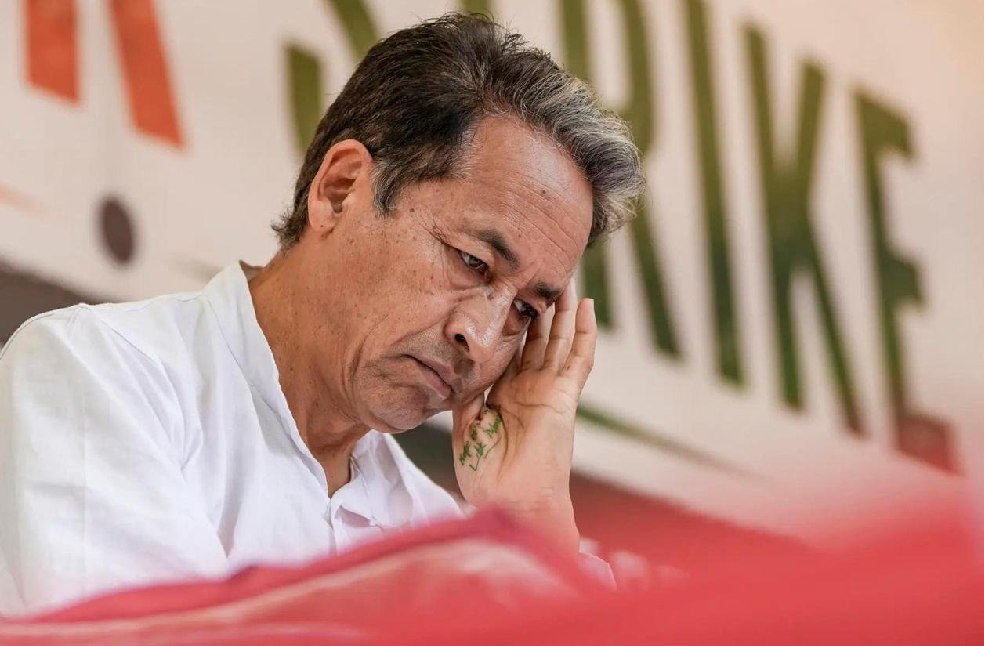
New Delhi: Indian social activist Sonam Wangchuk has become a prominent figure in a Gen Z movement demanding action over exam paper leaks that have affected millions of students.
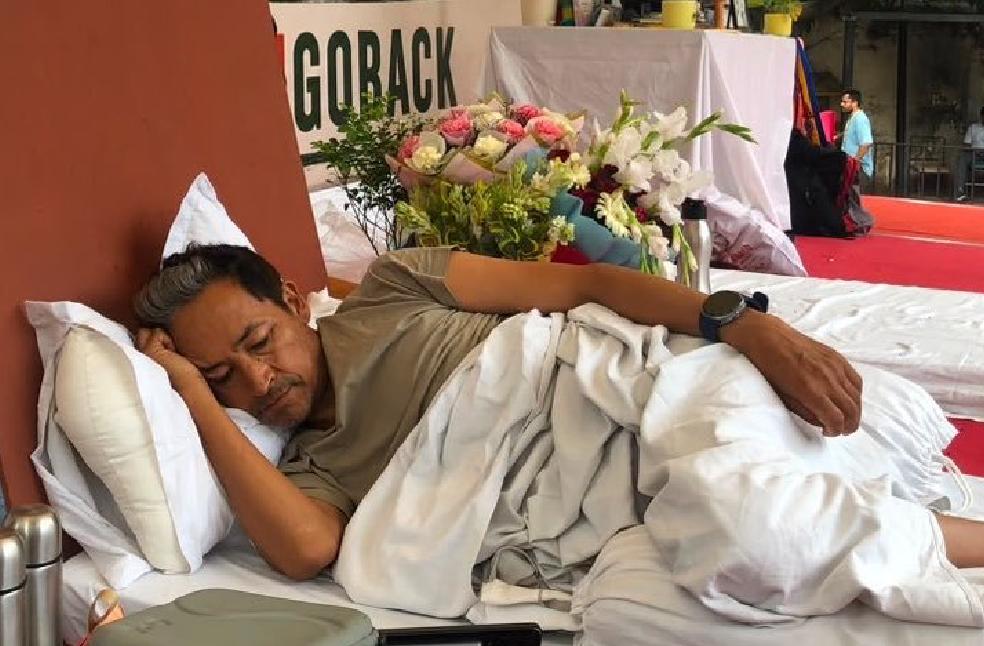
Wangchuk, who is nearing 60, gained wider attention after a three-week fasting protest supporting young demonstrators. The campaign increased pressure on Prime Minister Narendra Modi’s government over concerns linked to examination security and education issues.
Beyond Ladakh, Wangchuk gained wider attention through education and climate initiatives. The campaign strengthened youth support around exam leak concerns.
'मेरे लहू का कतरा कतरा इंकलाब लिखेगा'
जय हिंद 🇮🇳 pic.twitter.com/FV5uSvVXhC
— Cockroach Janta Party (@CJP_for_India) July 20, 2026
The Delhi Police moved Wangchuk to a hospital after the hunger strike continued for several weeks. The action followed a protest by supporters of the youth Cockroach Janta Party. Wangchuk’s campaign has drawn comparisons with Mahatma Gandhi from some supporters because of the use of fasting as a form of protest.
Wangchuk received messages of support from across India, including from Bollywood actors. Many supporters refer to Wangchuk as Sonam Sir, a name associated with respect for his contributions to education and community development.
Wangchuk is among Ladakh’s most recognised public figures. In 2018, Wangchuk received the Ramon Magsaysay Award for work in education reform and water conservation. The award is widely regarded as Asia’s Nobel Prize.
At 19, Wangchuk launched a student support initiative while pursuing engineering. The programme later evolved into the Students’ Educational and Cultural Movement of Ladakh.
Wangchuk has also worked on climate-related challenges by creating artificial glaciers known as ice stupas. These structures store winter water and release it during summer to support irrigation in the high-altitude desert region.
The activist has advocated for environmental protection and greater autonomy for Ladakh, a federally controlled territory. Wangchuk was jailed for nearly six months in 2025 after protests demanding statehood for the region turned deadly, although Wangchuk denied responsibility for the violence.
RELATED POST | Cockroach Janta Party renews protest after Wangchuk move
