



London: Doctors have welcomed what they describe as ‘unprecedented’ results from an international clinical trial showing that a new triple-action cancer injection can significantly shrink, and in some cases completely eliminate, tumours in patients whose disease had stopped responding to existing treatments.
The drug, known as amivantamab, was tested in patients whose cancer had either spread or returned after standard therapies, including chemotherapy and immunotherapy, had failed. Conducted across 11 countries, the trial delivered encouraging outcomes for a group of patients with very limited treatment options.
Among 102 patients with head and neck cancer enrolled in the study, tumours shrank or disappeared entirely in 43 individuals. Of these, 28 experienced substantial tumour reduction, while 15 saw their tumours eradicated completely.
Researchers reported that many patients showed dramatic improvements within just a few weeks of starting treatment. The findings are set to be presented at the annual meeting of the American Society of Clinical Oncology (ASCO) in Chicago, the world’s largest cancer conference.
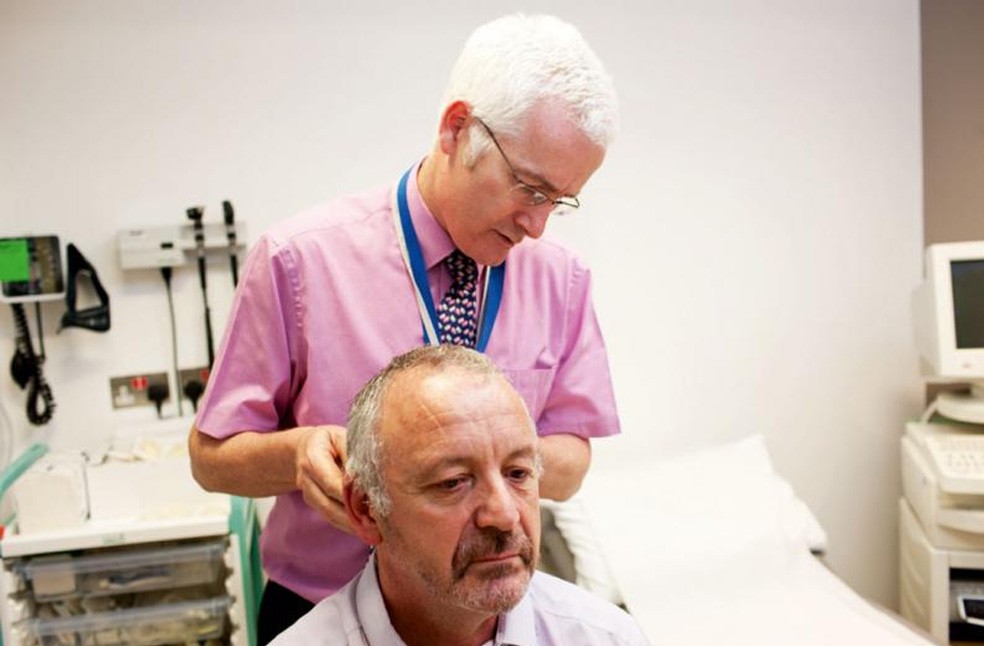
Professor Kevin Harrington, who specialises in biological cancer therapies at the Institute of Cancer Research (ICR) and serves as a consultant oncologist at the Royal Marsden NHS Foundation Trust, described the responses as extraordinary.
He noted that the results were particularly striking because the patients had cancers resistant to both chemotherapy and immunotherapy, leaving them with few remaining treatment options. According to Harrington, the therapy has the potential to benefit many thousands of patients annually.
Researchers also reported that amivantamab has shown similarly promising effects in patients with lung cancer. Developed by Johnson & Johnson, the treatment is currently being studied in approximately 60 clinical trials worldwide, focusing primarily on lung cancer but also including colorectal, brain and gastric cancers.
Therapy in 3 stages
The therapy works through three complementary mechanisms. It blocks EGFR (epidermal growth factor receptor), a protein that helps cancer cells grow and multiply. It also targets MET, a pathway frequently used by cancer cells to evade treatment. In addition, the drug stimulates the body’s immune system to recognise and attack cancer cells.
A key aspect of the trial was its focus on patients with head and neck cancers that were not associated with human papillomavirus (HPV)-positive oropharyngeal squamous cell carcinoma.
Researchers highlighted the significance of this because non-HPV-related head and neck cancers are generally more difficult to treat, making the positive results especially important.
Despite having an aggressive form of cancer with poor outcomes once conventional therapies stop working, patients treated with amivantamab achieved a median overall survival of 12.5 months after beginning treatment.
Professor Kristian Helin, Chief Executive of the Institute of Cancer Research, noted that the study demonstrates how rigorous cancer research can lead to meaningful advances for patients with limited treatment options. Helin described the tumour response rates and survival outcomes achieved in this challenging patient group as a significant step forward in cancer treatment.
ALSO READ | California teen Shrey Parikh wins Scripps Spelling Bee
