


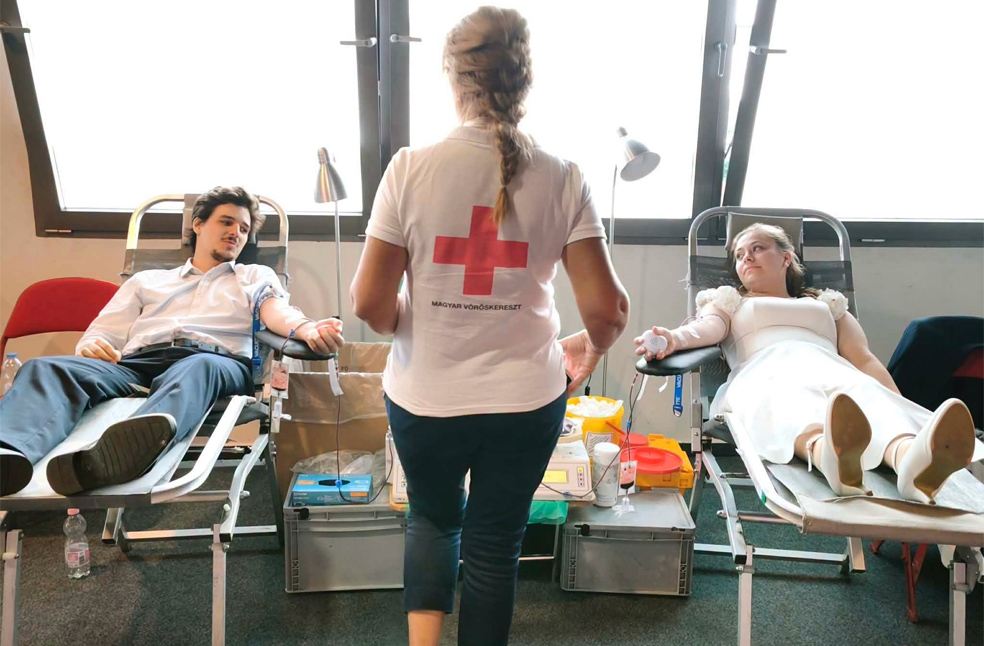
The American Red Cross said blood supplies across the United States had fallen to crisis levels, marking only the second time in its 150-year history that inventories had dropped so low.
According to Dr. Courtney Lawrence of the American Red Cross, a combination of extreme weather, including wildfires and intense summer heat, significantly disrupted blood donations. Blood supply levels dropped by around 25 percent in July, while demand increased as hospitals typically require more blood during the summer months.
The seasonal rise in road accidents and outdoor activities has resulted in more injuries requiring blood transfusions. At the same time, prolonged heat has discouraged many people from donating blood, while some planned blood drives were unable to operate because organisers could not provide safe and comfortable conditions for donors.
The American Red Cross, which supplies around 40 percent of the nation’s blood, stated that it had been distributing approximately 3,500 more units of blood than usual for this time of year. Lawrence said the organisation was forced to draw heavily from its reserves, leaving blood inventories at critically low levels.
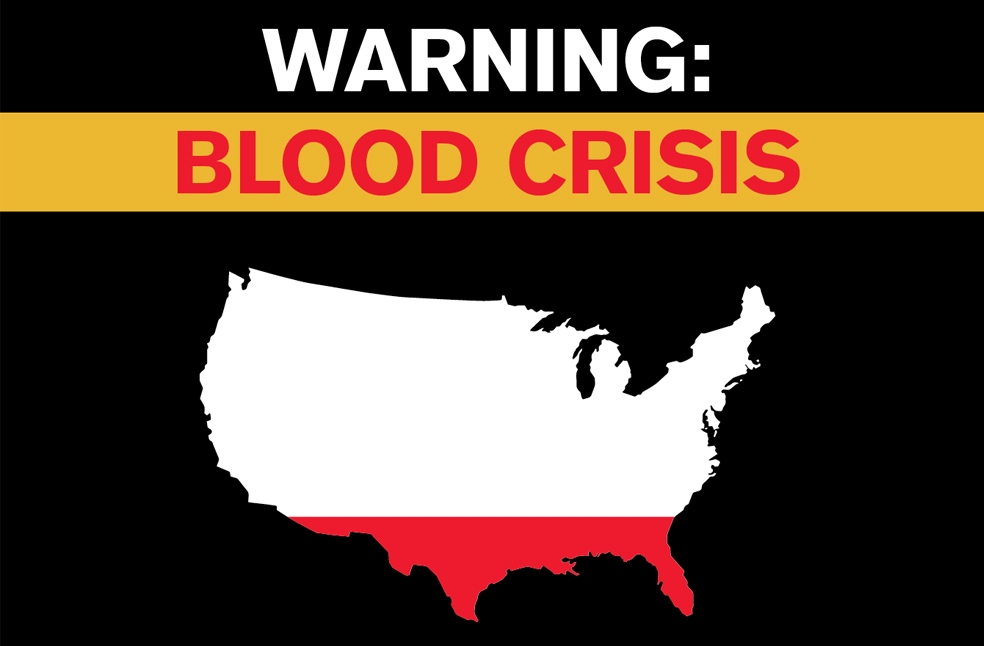
Lawrence noted that blood cannot be stockpiled for extended periods because it has a limited shelf life. Donated blood must generally be used within 42 days, after which blood cells begin to deteriorate.
The Red Cross added that the donations of all blood types were urgently needed, particularly O positive, which is commonly used in emergency situations when a patient’s blood type is unknown.
Some hospitals had indicated the shortage could affect routine medical procedures and had considered diverting emergency patients to other trauma centres if blood supplies became insufficient to support critical care.
Several factors contributed to the worsening shortage Dr. Lawrence noted. In addition to extreme heat reducing donor turnout, the growing number of wildfires diverted resources, while widespread food-borne illnesses, including cyclosporiasis, further complicated donation efforts.

The previous time the American Red Cross declared a blood supply crisis was in January 2022, when the COVID-19 pandemic and severe winter weather disrupted blood donations across the country.
Canada has also experienced a decline in blood donations. Canadian Blood Services reported that blood inventories had fallen by nearly 20% since early June, with appointments for donations dropping short by 1,500 to 2,500 each week.
While a seasonal decline in donations is expected during the summer, the organisation said this year’s drop was well below normal patterns. It warned that supplies of several blood types had reached unsustainable levels and urged more people to donate to help ensure patients continue receiving the care they need.
As both the United States and Canada face declining blood inventories, health authorities are encouraging more eligible donors to come forward to help replenish supplies and ensure patients continue receiving timely care.
ALSO READ | X opposes Australia’s tougher teen social media rules
