


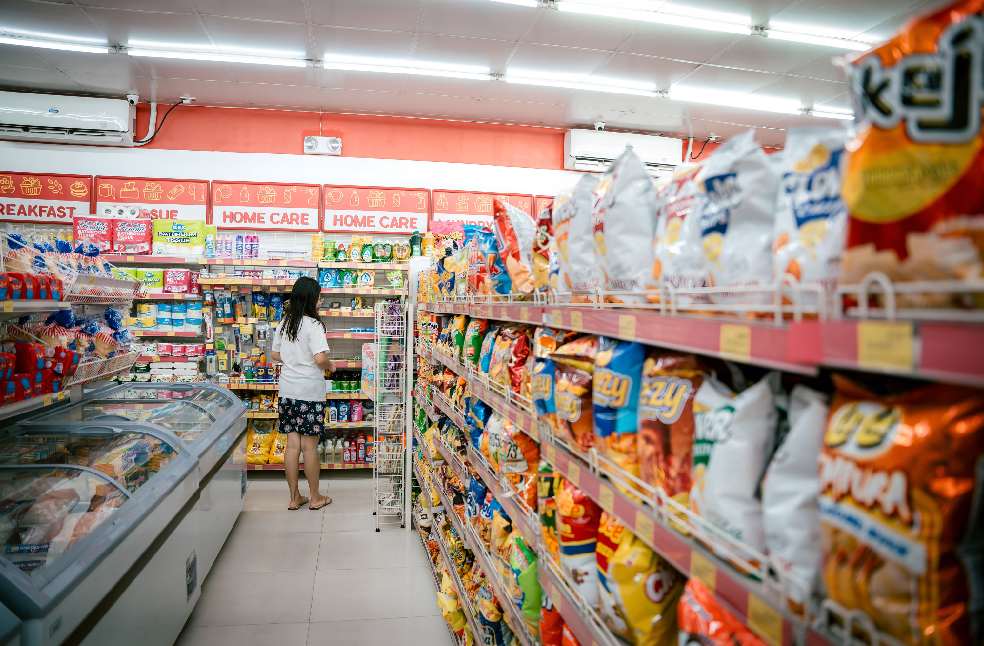
New Delhi: India food warning labels have come under renewed scrutiny after the country’s food safety regulator dropped plans for prominent color-coded alerts on packaged products following years of industry resistance.
The debate centres on how much nutritional information consumers should see before buying food and drinks. A can of Fanta sold in London contains 63 calories. The same brand sold in India contains about 3 times as much sugar and includes an artificial dye that requires a prominent health warning in Europe. In India, the colorant is listed in small print on the back of the can.
The Food Safety and Standards Authority of India (FSSAI) stated that, in August it had abandoned its proposal for colorful front-of-pack warnings. The regulator argued that such labels did not reflect the stronger flavors found in Indian cuisine. Instead, the FSSAI proposed a black-and-white table showing sugar, fat, and salt content.
Supreme Court of India is now examining that decision after public health activists filed a petition seeking greater transparency. In February, the court directed regulators to consider warning labels and suggested examining Israel’s red-and-green labeling system.
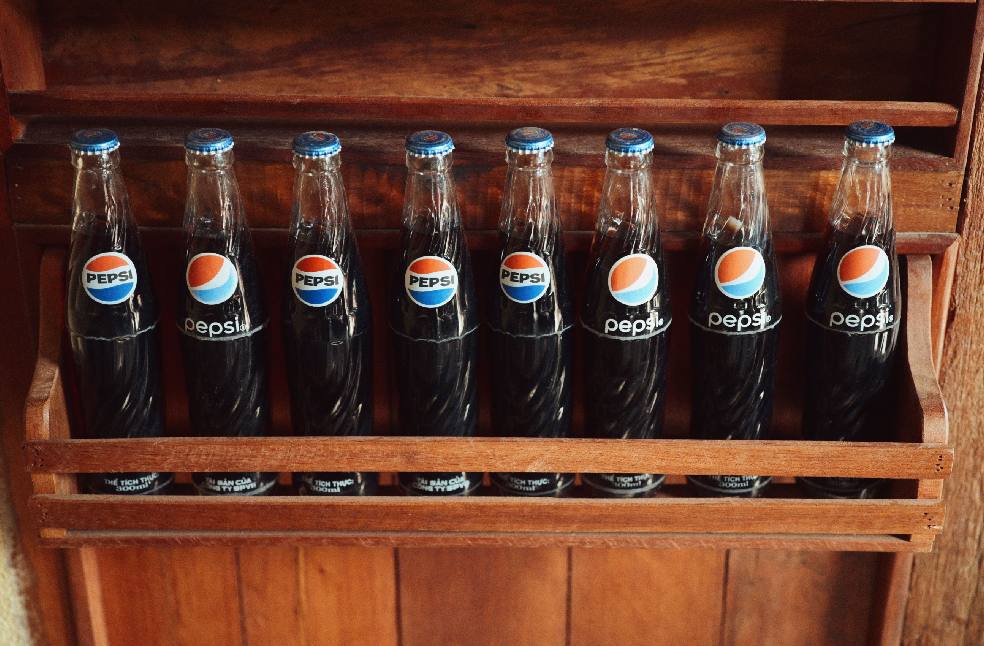
Food companies have also faced pressure from activists and influencers over product marketing. PepsiCo obtained a Delhi court order to remove a video that the company said contained false claims. In July, Indian regulators ordered PepsiCo and other companies to stop using the ‘energy drink’ label within 90 days.
A study published in The Lancet estimated that 450 million Indians could be overweight or obese by 2050. Experts argue that clearer food labels can encourage healthier choices. About 20 countries have adopted interpretive labels that may highlight high sugar levels in red and lower-fat products in green.
Industry groups have long opposed tougher labeling rules. Nearly 80 percent of products in India’s packaged food and beverage market, valued at more than $100 billion (AED 367.3 billion), could be considered high in fat, sugar, or salt, according to industry estimates. Since 2017, regulators have considered measures including color-coded warnings and nutritional star ratings.
Multinational companies often sell different versions of the same products to meet local regulations, consumer preferences, and spending levels. Standard KitKat bars in India contain 4.5 percent cocoa solids. The milk chocolate version sold in Australia contains at least 22 percent. Maggi noodles sold in India use palm oil while many versions in Britain use sunflower oil. Some Maggi packets made in India for the British market carry red front-of-pack warnings for high salt content.
The labeling dispute has also highlighted differences in products sold across markets. Nestle began selling sugar-free Cerelac baby food in India in 2024 after complaints that the country had long received only a sugar-containing version. The debate now remains focused on whether stronger India food warning labels can provide consumers with clearer information about what packaged products contain.
YOU MAY LIKE | Torrential rain shuts schools and offices across southern Taiwan
