


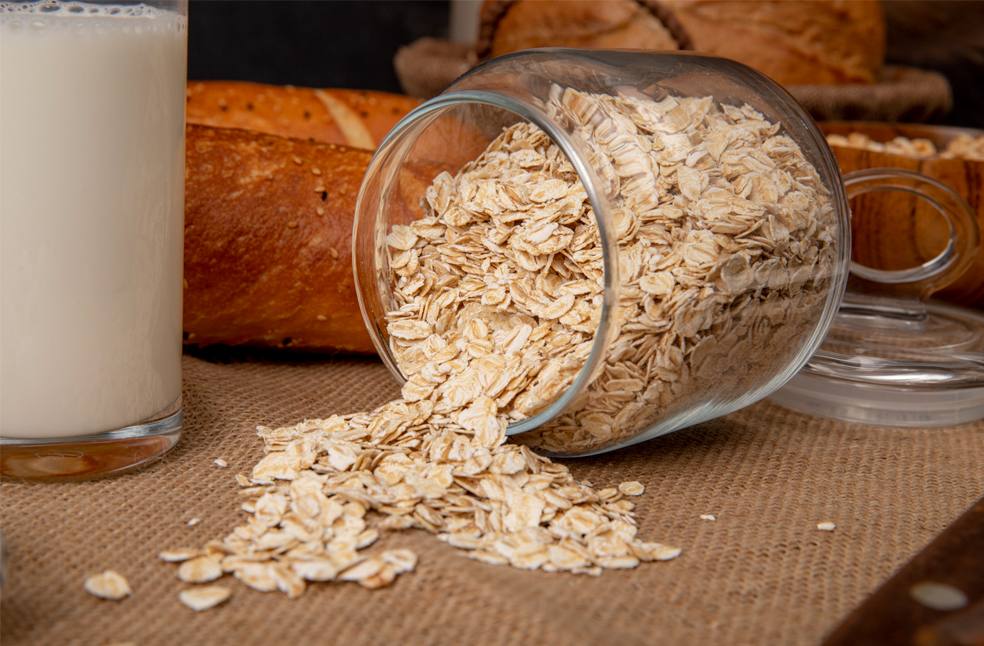
London: Sales of filling foods such as porridge oats are rising as social media trends promote them as natural alternatives to weight-loss medications, with terms such as ‘nature’s Ozempic’ and ‘Oatzempic’ gaining popularity.
Waitrose reported a 124 percent increase in sales of its Scottish Oats this year, according to its annual food and drink report, which examines changing consumer preferences and emerging grocery trends.
A survey conducted for the report found that 64 percent of shoppers are actively choosing foods such as oats because they help them stay full for longer.
Dr. Joanne Lunn, Waitrose’s head of health and nutrition, said the growing use of GLP-1 medications was influencing food and drink choices even among people who do not take them.
Lunn noted that changing appetite patterns were encouraging shoppers to choose smaller portions, nutrient-rich products and foods that provide a longer-lasting feeling of fullness.

According to a recent survey by Worldpanel by Numerator, households with GLP-1 medication users now outnumber those with vegetarians and pescatarians combined in Great Britain. Around 2.6 million adults were using weight-loss medication in August, representing an increase of approximately 700,000 since February.
The influence of these medications extends to household grocery shopping, with nearly eight in 10 GLP-1 users also responsible for buying food for their households. Waitrose surveyed more than 4,000 customers for its report.
Among respondents using weight-loss medication, 88 percent noted that their shopping habits had changed. More than half reported eating more protein, while a third said they were consuming less alcohol. Around one in five had increased their supplement intake, with a similar proportion eating more fish.
The expressions ‘nature’s Ozempic’ and ‘Oatzempic’ describe social media trends that promote everyday foods as alternatives to prescription weight-loss injections. Alongside oats, these include pulses, seeds, nuts and tinned fish.
Waitrose also identifies them as suitable food choices for people taking appetite-suppressing medication who want to maintain a balanced diet.
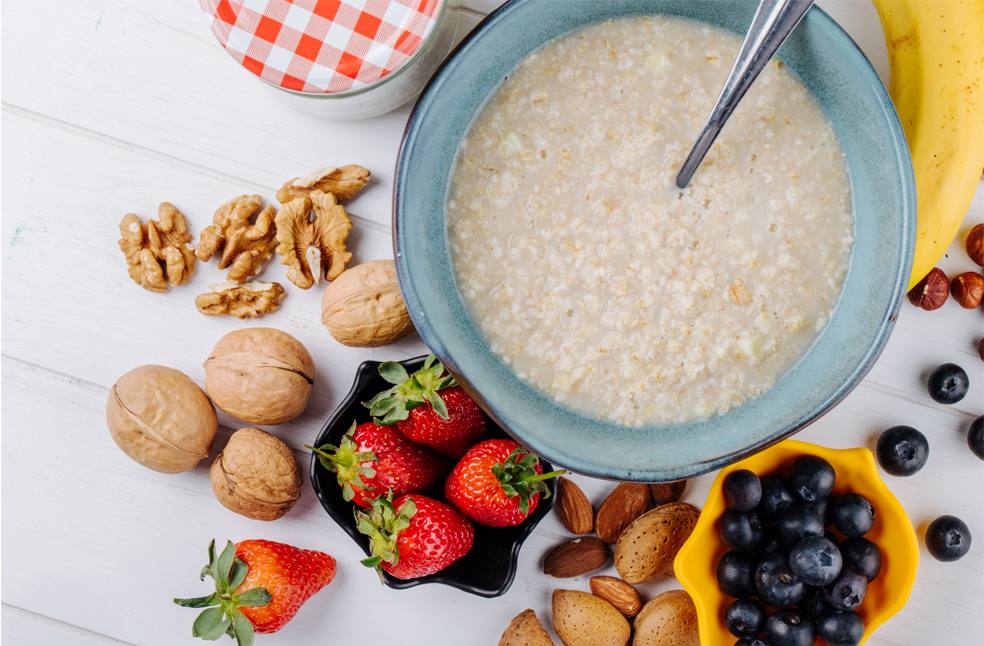
Another emerging trend is what the retailer calls ‘fibre-maths,’ which involves adding extra fibre and nutrients to everyday meals through salad toppings, seeds and cereal additions.
Porridge has emerged as a key food in this movement, with the affordable breakfast staple described as a major wellness favourite. The growing popularity of the Oatzempic trend has also encouraged food creators to experiment with different combinations, including savoury recipes and toppings such as sour cherries and pistachio butter.
Lunn also highlighted the growing interest in savoury porridge, suggesting ingredients such as chilli oil, bone broth and roasted vegetables as alternatives to traditional sweet toppings for meals with less sugar and greater satiety.
The report also points to emerging flavour combinations expected to influence supermarket products in the coming years. Following trends such as ‘switter,’ combining sweet and bitter flavours, and ‘fricy,’ which blends fruit with spicy flavours,
Waitrose predicts ‘smugar’ will gain attention in 2027. The term describes a combination of sweetness and smoky, burnt flavours, which the retailer expects to feature in bakery products, barbecue ranges and desserts finished with bitter caramel notes.
ALSO READ | UKHSA records highest heat-related death toll since 2016