


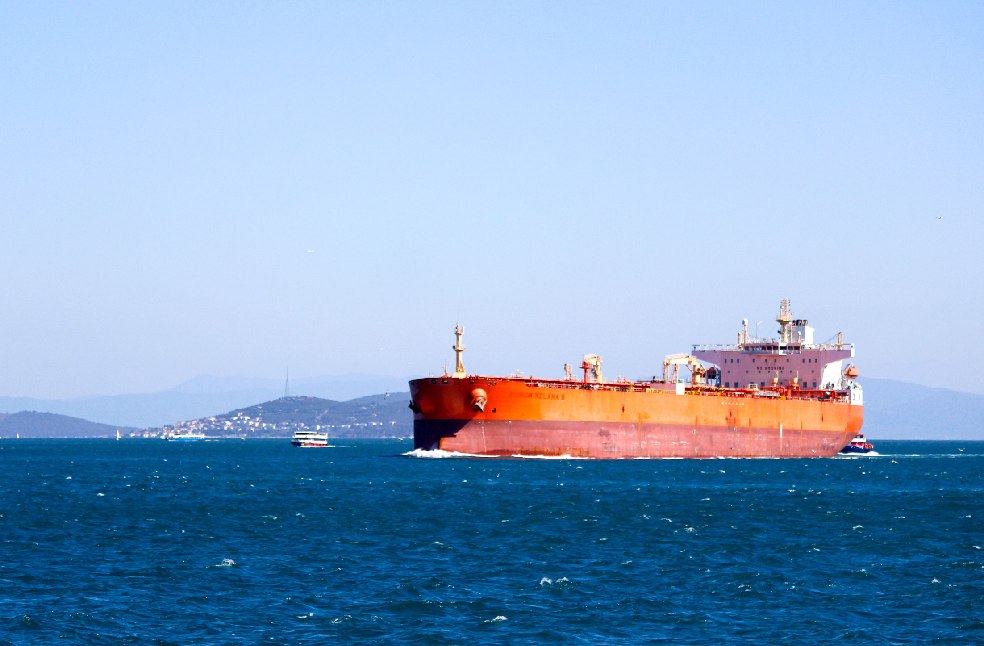
New Delhi: Oil prices remained mixed on November 13 and headed for a second consecutive weekly decline as the continued US blockade of Iran eased concerns over renewed military conflict in the Middle East, although attacks on shipping routes continued to threaten global supplies.
Brent crude futures rose 25 cents, or 0.26 percent, to $96.04 a barrel. In contrast, US West Texas Intermediate (WTI) crude futures fell 16 cents, or 0.20 percent, to $88.59 a barrel. The movements reversed gains recorded over the previous two trading sessions during a volatile week.
Brent crude was on track for a 2.3 percent weekly decline following a sharp 16 percent fall the previous week. WTI was also heading towards a 2.4 percent weekly loss after dropping 13 percent in the preceding week. The latest price movements reflect changing expectations over the conflict and its potential impact on energy supplies.
Earlier hopes for an improvement in relations between the United States and Iran had supported expectations of reduced tensions. However, attacks on Saudi Arabian infrastructure by Yemen’s Iran-backed Houthis and incidents involving oil tankers carrying crude from the Gulf have kept supply concerns in focus.
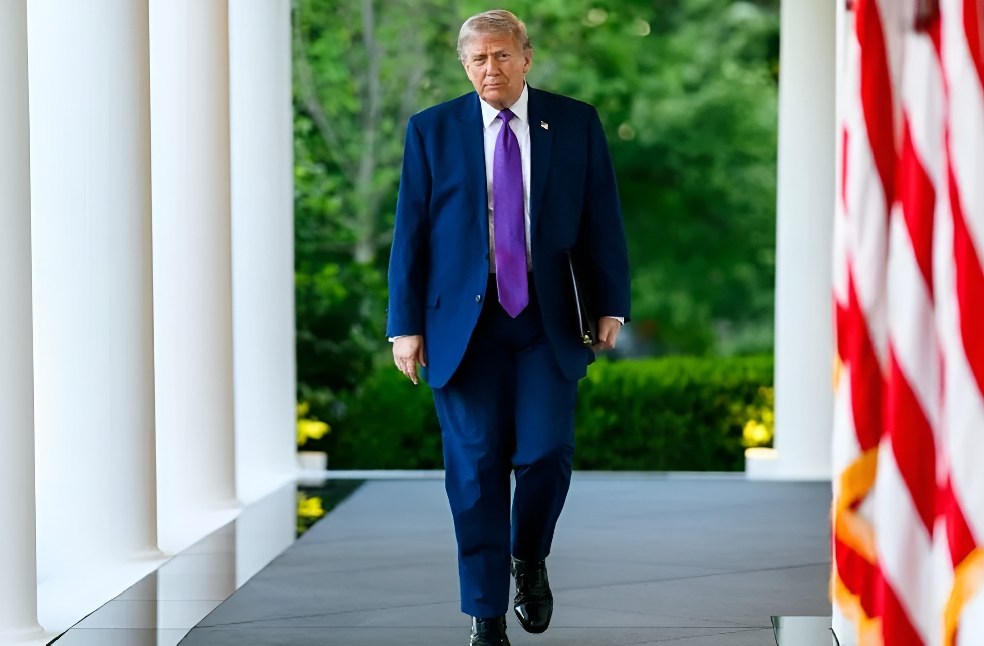
Donald Trump, the US President stated that a deal with Iran was not necessary to bring the war to an end. The conflict involving the United States, Israel and Iran has entered its ninth month. Washington’s continued blockade has eased some market concerns over an immediate escalation in hostilities.
Meanwhile, US crude oil and fuel inventories increased last week. The Energy Information Administration (EIA) reported that weaker demand for refined petroleum products and a rise in oil imports contributed to the increase. Higher inventories have added further pressure to oil prices by signalling softer demand conditions.
Despite the decline in weekly prices, the Strait of Hormuz remains a major concern for energy markets. The strategic waterway serves as a key export route for crude oil from leading Middle Eastern producers. Any disruption to shipping through the passage could affect supplies and increase market volatility.
Iran’s military noted that 4 oil tankers suffered explosions in the Strait of Hormuz on Thursday after ignoring warnings. Reuters could not immediately verify the account. On the same day, Yemen’s Iran-aligned Houthis claimed responsibility for attacks on a pumping station along Saudi Arabia’s East-West oil pipeline, an oil facility in Yanbu on the Red Sea coast and an Aramco building in Riyadh.
YOU MAY LIKE | Finland grants approval for Tesla driver assistance system