



London: With flu season bringing sore throats, headaches, fever and blocked noses, many people turn to over-the-counter cold and flu medicines for relief. However, experts say expensive branded remedies may offer little advantage over cheaper supermarket alternatives and basic painkillers.
Prof Jayne Lawrence, head of the pharmacy division at the University of Manchester, says there is little difference between well-known brands and lower-priced alternatives when they contain the same active ingredients. She recommends choosing cheaper options rather than assuming that familiar brands deliver better results.
Cold and flu medicines generally fall into three categories: established brands such as Lemsip and Sudafed, supermarket own-label products, and individual medicines containing paracetamol or ibuprofen.
The price difference can be substantial. A pack of 16 Lemsip All-In-One Max Strength tablets costs around £7.30, while some supermarkets sell basic paracetamol tablets for just £0.35. Both contain 500mg of paracetamol, which helps relieve pain and reduce fever but does not treat the underlying viral infection.
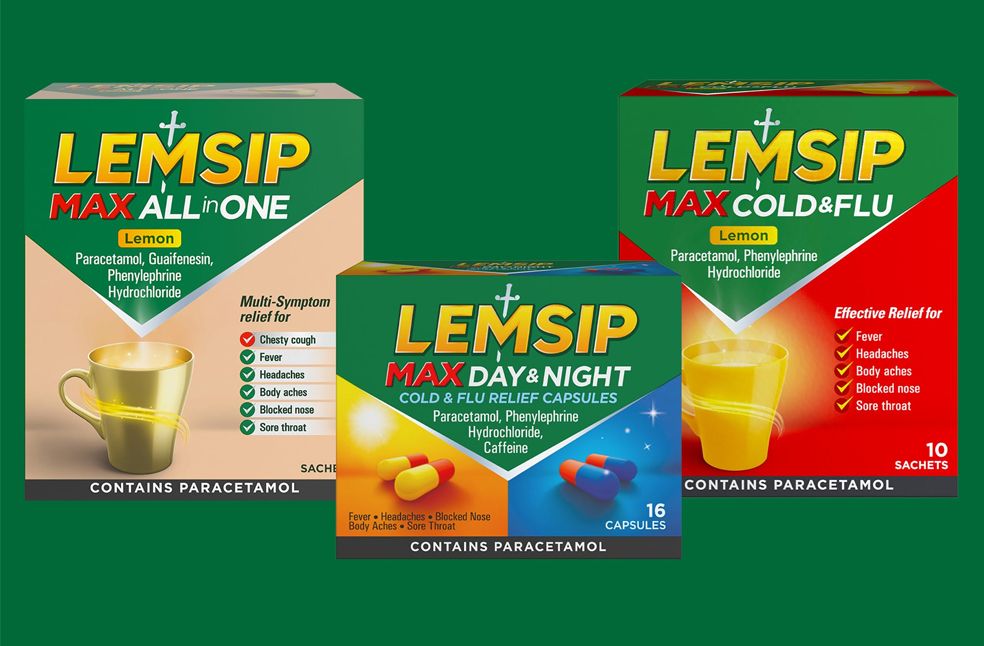
Many combination remedies also contain phenylephrine, an ingredient intended to reduce nasal congestion by narrowing swollen blood vessels. However, Prof Lawrence points to limited evidence supporting its effectiveness when taken orally. In 2024, the US Food and Drug Administration proposed removing oral phenylephrine from cold and flu medicines because of concerns about its effectiveness.
Another ingredient, guaifenesin, is included in some products to loosen mucus and ease chest congestion. However, research findings on its benefits remain mixed.
Some maximum-strength remedies also contain up to 65mg of caffeine per tablet. Studies suggest caffeine may slightly improve the pain-relieving effect of paracetamol and help it work faster. Hot dissolvable remedies may also provide soothing relief, although evidence of significant improvements in symptoms remains limited.
Brand recognition and marketing also influence purchasing decisions. Well-known products often receive prominent supermarket shelf placements, while cheaper alternatives may be less visible. Industry representatives argue that familiar brands help consumers make choices and provide reassurance.

What doctors recommend for cold and flu symptoms
Doctors advise people experiencing cold and flu symptoms to focus on basic measures to manage discomfort and support recovery.
- Get adequate rest: Allow the body time to recover and drink plenty of fluids to stay hydrated.
- Use suitable painkillers: Paracetamol can help control fever and relieve headaches, sore throats and other aches.
- Avoid doubling up on paracetamol: Check the ingredients of combination cold and flu medicines before taking additional painkillers to prevent accidental overdose.
- Try salt-water gargles: The NHS recommends gargling with salt water to help relieve a sore throat.
- Drink warm lemon and honey: A homemade drink may help soothe a persistent cough.
- Know when to seek medical advice: Consult a GP if a cough lasts more than 21 days or if there is unexplained weight loss. Chest pain and breathing difficulties require urgent medical attention.
- Check medicines during pregnancy: Some cold and flu remedies may not be suitable for pregnant women. Consult a midwife, pharmacist or GP before taking any medication.
Dr. Jamie Hynes, vice president of the Royal College of GPs, highlights the importance of recognising symptoms that may require medical attention.
With cheaper alternatives often containing the same active ingredients as premium products, experts advise consumers to compare medicine labels and ingredients rather than relying solely on brand names when choosing cold and flu treatments.
ALSO READ | China’s Singles Day sales rise 2.4% as AI shopping expands