


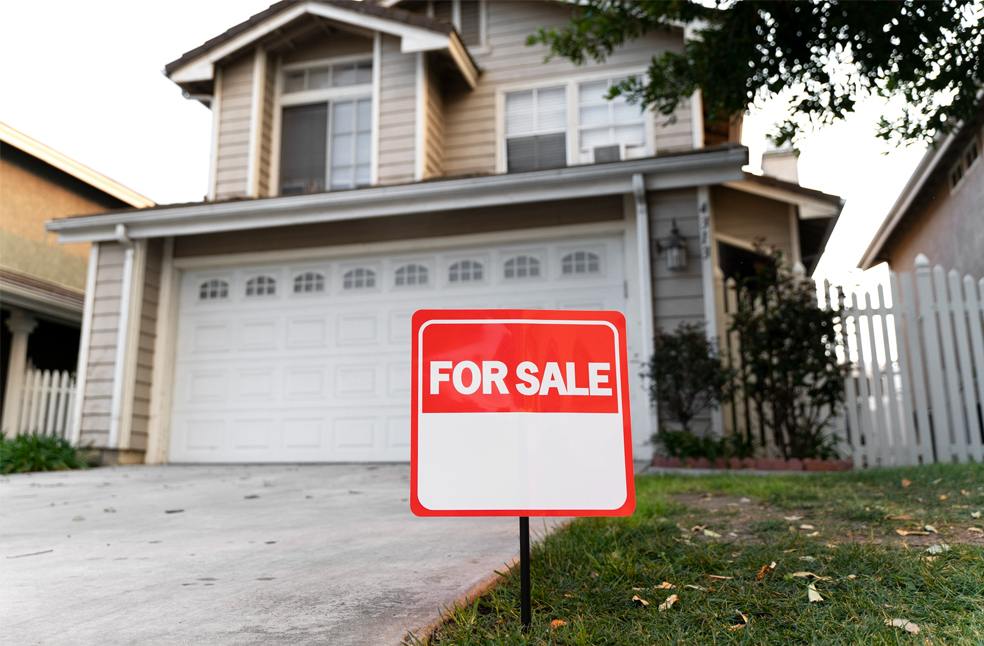
London: Prices of housing in the UK have recorded their sharpest monthly decline in more than three years in October, marking the fourth consecutive month of falling prices as higher mortgage rates and economic uncertainty continued to weigh on the housing market.
The average price of a typical UK home fell 0.6 percent month-on-month to £296,285, according to figures from mortgage lender Lloyds. This marked the steepest monthly decline since August 2023, when prices dropped 1.6 percent.
Analysts had expected a modest increase of 0.1 percent that would have ended the monthly downward trend since June. On an annual basis, house prices declined 1.2 percent in October, representing the biggest year-on-year fall since October 2023.
Andrew Asaam, mortgages director at Lloyds, said that housing demand was facing pressure from a challenging economic environment, with renewed inflationary pressures and higher borrowing costs affecting household finances and making buyers more cautious.

“Housing demand is currently being tested by a challenging economic backdrop,” Asaam stated. “Renewed inflationary pressures, driven in part by the conflict in the Middle East, are keeping borrowing costs high and adding to the squeeze on household finances, making some buyers understandably more cautious.”
Higher mortgage rates weigh on buyers
Prospective homebuyers are facing increasingly expensive borrowing, with the average two-year fixed mortgage rate standing at 5.97 percent and the average five-year fixed rate reaching 5.99 percent, according to the latest Moneyfacts market update.
The figures came a day after the Bank of England’s Monetary Policy Committee raised its base interest rate by 0.25 percentage points to 4 percent, marking the first increase in three years as policymakers sought to tackle inflationary pressures linked to the Iran war.
The conflict in the Middle East has pushed oil prices above $100 a barrel in recent months, driving up fuel costs and contributing to inflation reaching 3.5 percent in September.
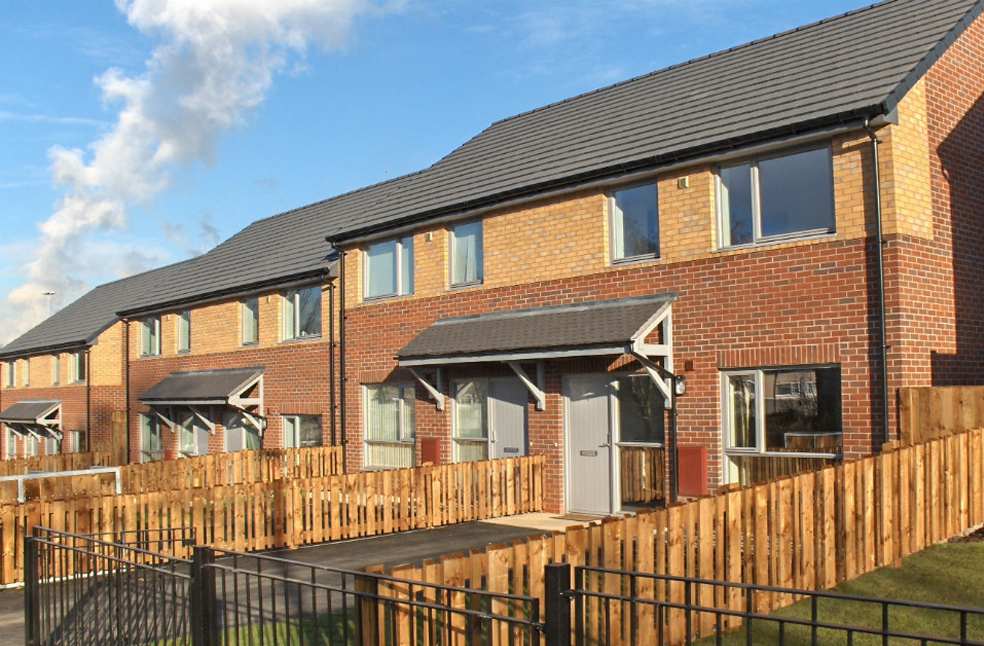
Amy Reynolds, head of sales at Richmond estate agency Antony Roberts, noted that the housing market had lost some momentum towards the end of the year, although prospective buyers remained active but increasingly cautious about their purchasing decisions.
Reynolds noted that homeowners facing remortgaging and existing buyers looking to move into larger properties were among those most affected by higher borrowing costs, particularly as they struggled to manage the additional financial pressure.
The Head added that the latest interest rate increase could further affect buyer confidence, as it signals that borrowing may become more expensive rather than ease, potentially encouraging some people to delay their property decisions.
Meanwhile, property services company Savills said earlier this week that Britain’s sluggish housing market was unlikely to recover until 2028, when an expected improvement in economic conditions and mortgage affordability could help support renewed activity.
MOST READ | Dr. Reddy’s gets Brazil approval to sell generic Ozempic