


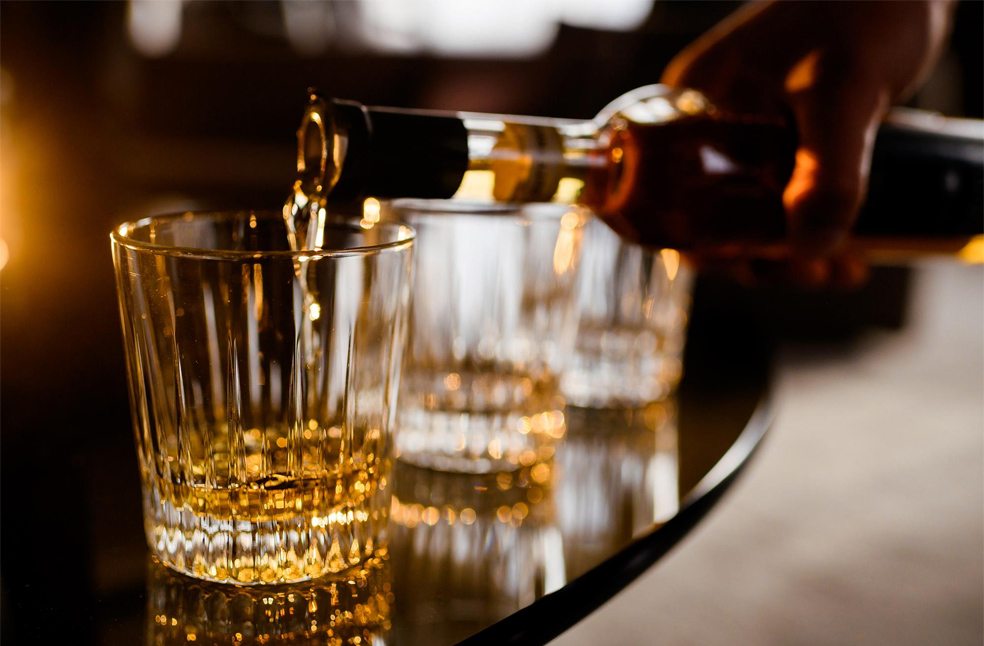
London: Alcohol has long been associated with keeping warm during cold weather, with drinks such as hot toddies, red wine and whisky often seen as popular choices.
However, while drinking alcohol may create a temporary sensation of warmth, it does not actually increase the body’s core temperature. Instead, it can encourage heat loss and raise the risk of hypothermia.
Winston Morgan, Professor of toxicology, equity and inclusive practice at the University of East London, stated that the perception that alcohol warms the body is misleading. Although people may feel warmer after having a drink, the body does not actually gain heat.
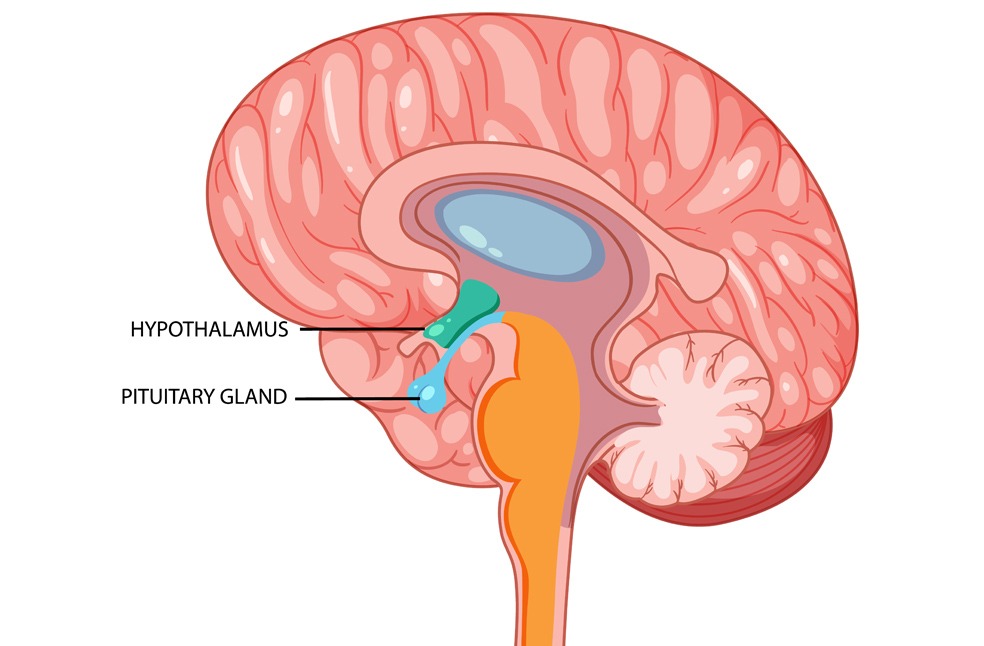
The body’s internal temperature is regulated by the hypothalamus, a region of the brain responsible for controlling how the body responds to changes in its surroundings.
When the body becomes too hot, blood vessels close to the skin widen in a process known as vasodilation. This allows warmer blood to flow towards the skin’s surface, where heat can escape into the surrounding air.
When the body gets too cold, the opposite response takes place. Blood vessels narrow, or constrict, reducing blood flow to the skin and helping the body conserve heat.
Alcohol interferes with this natural temperature-regulation mechanism by causing blood vessels near the skin to widen, even when the body’s core temperature has not increased.
As more warm blood reaches the skin’s surface, people experience a sensation of warmth. This can sometimes make them feel hot enough to remove layers of clothing, even though their internal body temperature has not risen.
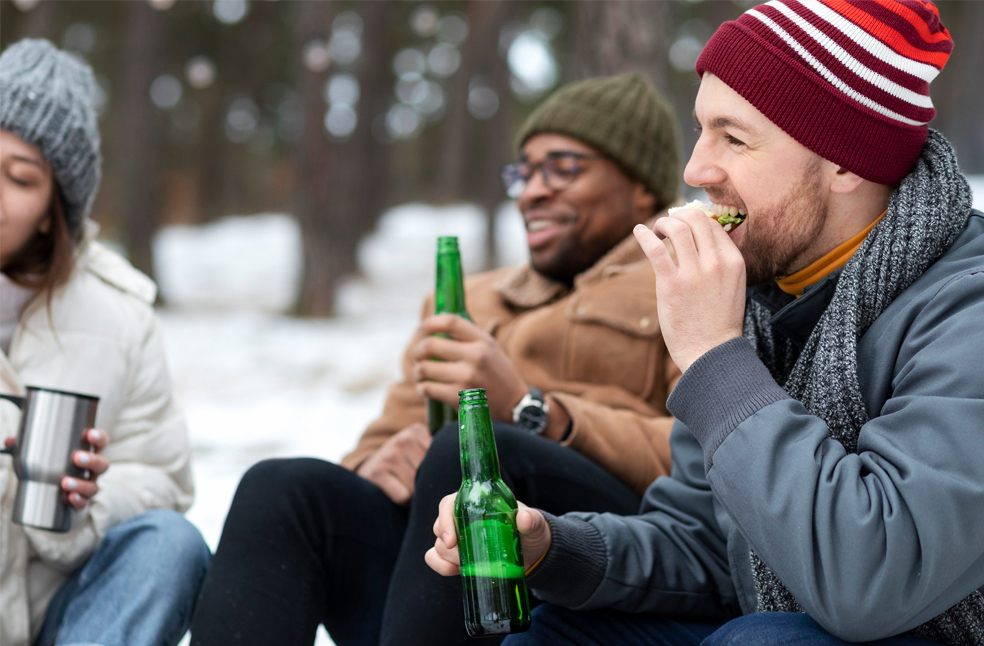
Morgan explained that alcohol essentially moves blood towards the skin, creating the impression of warmth without actually warming the body.
In reality, the increased blood flow allows more heat to escape, potentially causing the body’s core temperature to fall. Over time, this can increase the risk of hypothermia, particularly when someone is exposed to cold weather.
Morgan warned that drinking alcohol in cold environments can be counterproductive because the body gradually loses heat despite the initial feeling of warmth. Removing clothing in response to that sensation can further increase exposure to the cold.
The professor advised against consuming large amounts of alcohol in cold conditions, highlighting that the feeling of warmth after drinking does not mean the body is maintaining its temperature. The key distinction is that alcohol changes how warm the skin feels, rather than increasing the body’s internal temperature.
MOST READ | Airbnb’s new checkout rules take effect from November 20