


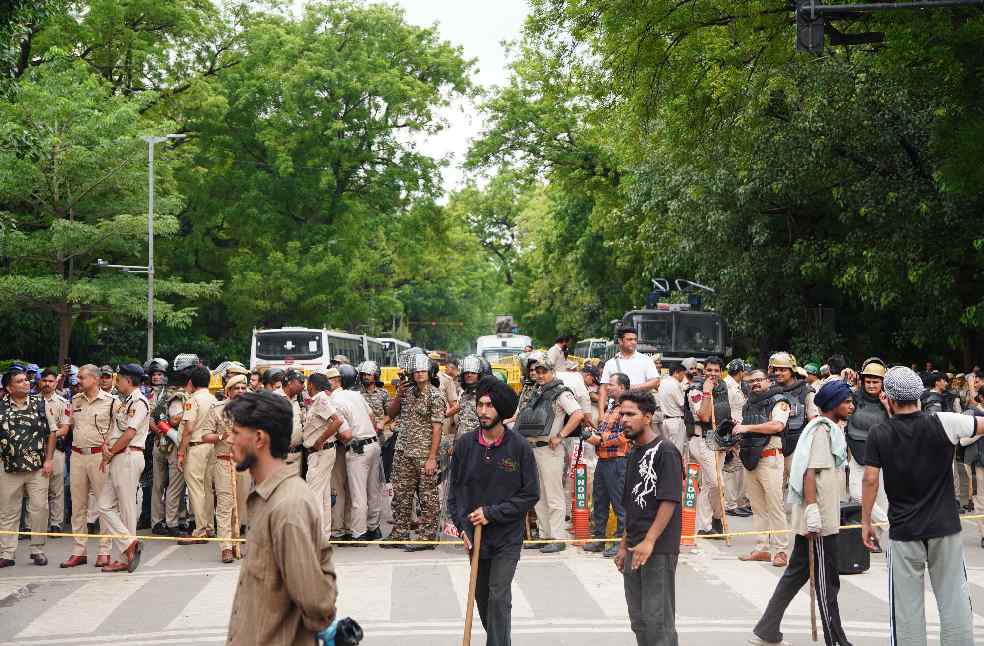
New Delhi: Indian authorities tightened security ahead of a major opposition march in Delhi on November 1, as demonstrators prepared to demand the resignation of Chief Election Commissioner Gyanesh Kumar over controversial changes to voter lists.
Security personnel carrying batons and shields surrounded the planned protest site. Riot control vehicles also stood nearby as preparations continued for the opposition rally. Authorities warns commuters about possible traffic diversions and restrictions around the protest areas.
Rahul Gandhi, Congress party leader will lead the march. Opposition parties expect hundreds of thousands of people to join the demonstration. The rally aims to challenge Narendra Modi, Prime Minister of India and the ruling Bharatiya Janata Party (BJP).
The opposition announced plans for a nearly 1.5-kilometre march from Central Delhi to Ramlila Maidan, the designated venue for the protest. Delhi Traffic Police warns of a large gathering and noted that officials would introduce traffic regulations and diversions as required.
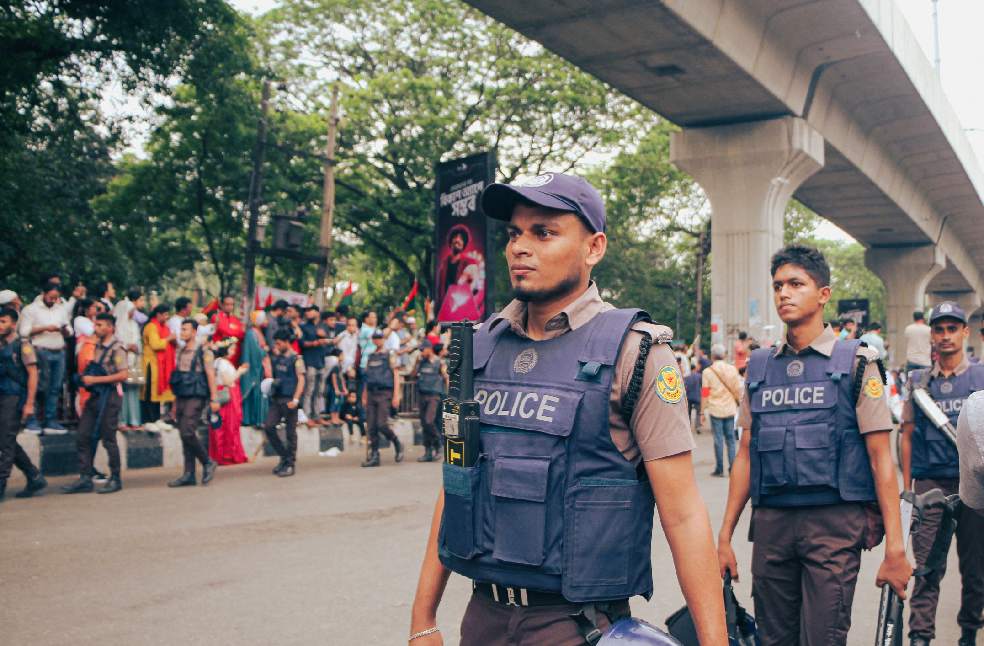
The demonstration follows weeks of protests involving opposition parties, student organisations and the youth-led Cockroach Janta Party. Groups have organised almost daily demonstrations since last month, demanding Kumar’s resignation over the electoral roll revision, which critics allege favours the BJP.
Opposition parties allege that the deletions disproportionately affected Muslim voters and other minority communities, who are considered less likely to support the ruling BJP.
The Election Commission rejected allegations of political favouritism and maintained that voters whose names were wrongly removed can re-enrol. The BJP also dismissed the accusations and accused rival parties of undermining democracy by questioning legitimate electoral procedures.
Youth-led protests and growing support for opposition parties have drawn attention to the political situation facing Modi. Analysts described the developments as the most serious crisis of Modi’s tenure since coming to power in 2014. However, the government remains stable, with the next general election scheduled for 2029.
POPULAR | US approves fresh Patriot missile supplies for Ukraine
