


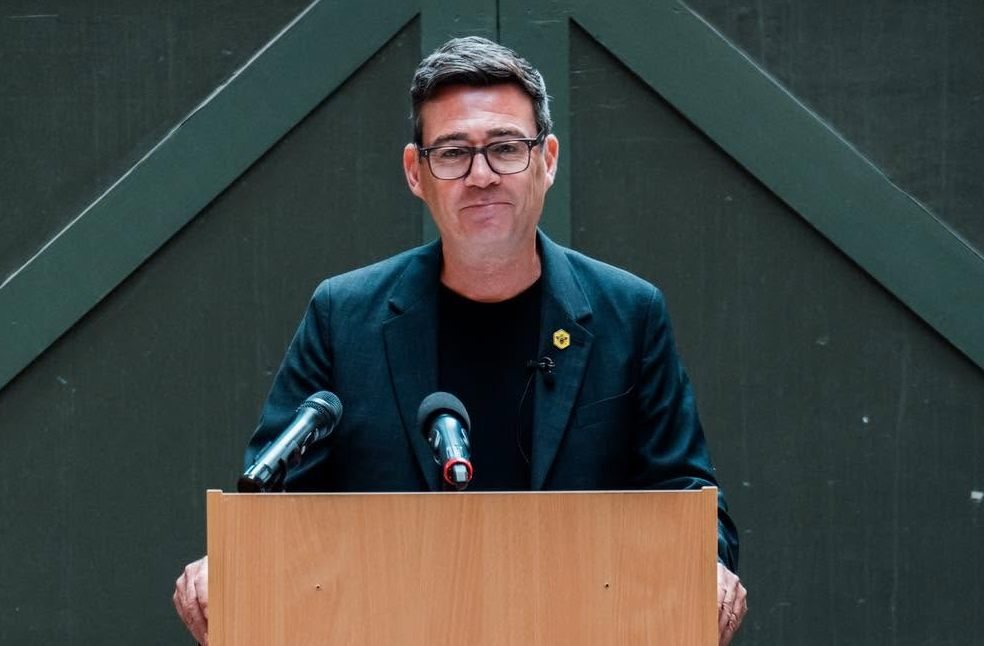
London: British Prime Minister Andy Burnham has expressed openness to reconsidering free movement between the United Kingdom and the European Union, calling for an evidence-based discussion on the country’s future relationship with the bloc.
Burnham outlined his ambition to establish a new framework for UK-EU relations, potentially exploring options such as rejoining the European Union or entering the single market, both of which would involve significant changes to Britain’s post-Brexit arrangements.
The prime minister emphasised the importance of examining the economic and social implications of closer European integration rather than allowing political divisions to dominate the debate. Burnham remarked that, “I think you have to have a very factual, quite evidence-based debate about this.”
His comments represent a potential shift from Labour’s 2024 election manifesto, which explicitly ruled out restoring free movement, joining the EU single market or entering a customs union. However, Burnham maintained that any fundamental change to Britain’s relationship with the EU would require public approval through a general election, which must take place by 2029.
Migration debate returns to political spotlight
Immigration was a central issue during the 2016 Brexit referendum, with supporters of leaving the European Union arguing that Britain needed greater control over its borders. Reflecting on migration patterns during the UK’s EU membership, Burnham suggested that the movement of European workers at the time differed from the immigration challenges facing the country today.
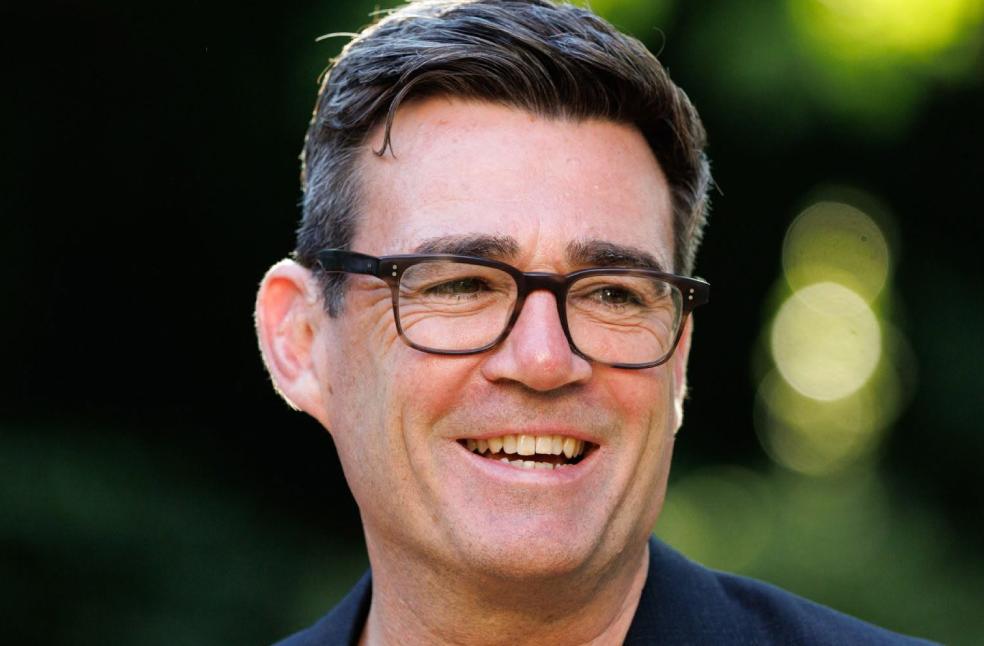
He explained that many European migrants were younger individuals who temporarily relocated to Britain for employment before eventually returning to their home countries. The prime minister also acknowledged that British citizens benefited from similar opportunities to live and work across Europe.
Nevertheless, he recognised that free movement created significant challenges and argued that the changing nature of migration deserved careful examination.
Opposition rejects return to free movement
Burnham’s remarks prompted strong criticism from opposition figures, who argued that restoring free movement would undermine the outcome of the Brexit referendum. Shadow Home Secretary Chris Philp warned that such a move would weaken Britain’s control over immigration and reverse a central commitment made to voters.
Reform UK leader Nigel Farage also condemned the proposal, describing it as a betrayal of Brexit supporters and questioning Burnham’s earlier commitments during his parliamentary campaign.
Brussels Summit to shape future relations
The renewed debate comes ahead of Burnham’s scheduled meeting with European Union leaders at a summit in Brussels on November 20, where he is expected to present proposals aimed at strengthening cooperation between Britain and the bloc.
Despite expressing interest in closer European integration, Burnham ruled out supporting arrangements that would require Britain to adopt the euro or join the Schengen Area, which allows passport-free travel among participating European countries. Britain retained the pound throughout its previous EU membership and remained outside the Schengen passport-free travel zone.
The prime minister entered Parliament after winning the Makerfield constituency in Greater Manchester during a June by-election before assuming office the following month. During his election campaign, he had pledged not to reopen Brexit divisions and stated that he was not proposing that Britain consider rejoining the European Union.
As the government prepares for discussions with European leaders, the debate over free movement is expected to remain a contentious issue in British politics, highlighting the challenges of balancing closer economic ties with Europe against concerns over immigration and national sovereignty.
MOST READ | Meta faces class action lawsuit in Australia over child safety
