


Paris: French health authorities have reported the first known human infection with the Shamonda virus, a pathogen that primarily affects livestock. The patient, who was severely immunocompromised and hospitalised for a serious medical condition, died earlier this month.
“Despite circulating in Africa and Asia for several decades, the Shamonda virus has never previously been detected in humans,” the European Centre for Disease Prevention and Control said in a joint statement.
Authorities said there was “no health risk to the general public identified at this time,” adding that the infection appeared to be ” an exceptional case involving a severely immunocompromised patient.”
What is the Shamonda Virus?
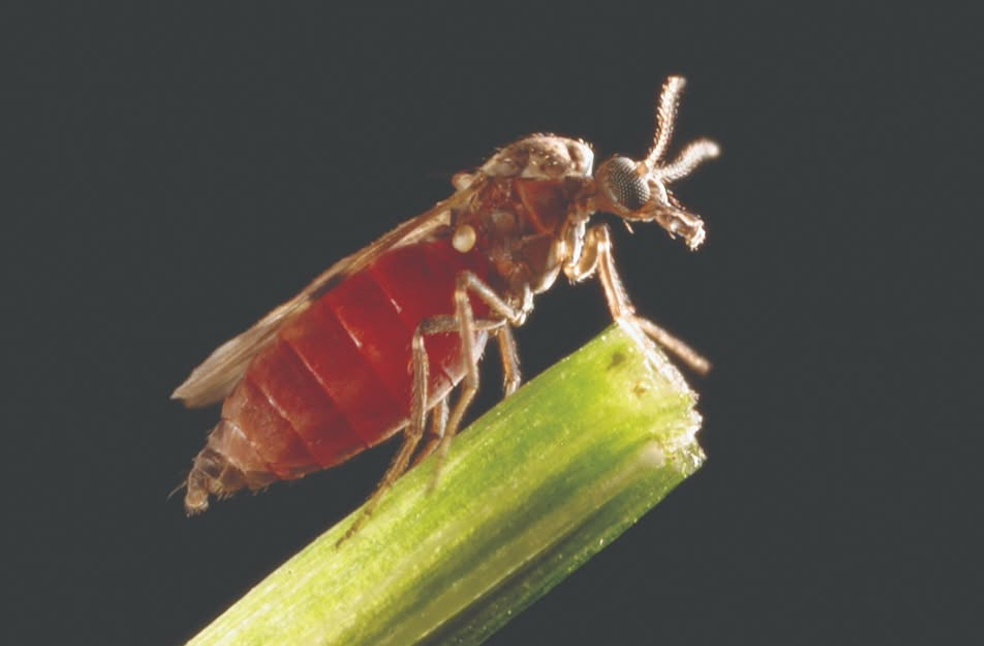
The Shamonda virus is an RNA virus belonging to the Simbu serogroup and is genetically related to the Schmallenberg virus. It belongs to the Orthobunyavirus group and is transmitted by biting midges, small flying insects that can spread pathogens between animals.

- The virus primarily affects cattle and other livestock.
- Symptoms in adult cattle include sudden fever, loose stool and abdominal discomfort.
- Abortions have also been reported in infected cattle, raising concerns about possible congenital abnormalities when infection occurs during pregnancy.
- The disease has also been detected in sheep, goats, horses and alpacas.
- There is currently no available vaccine against the virus.
First identified in Nigeria in the mid-1960s, the virus has since been detected sporadically in animals across Africa and Japan. In 2026, it has been reported in several European countries, including Germany, France, Switzerland and Austria.
According to the British Agriculture Bureau, the virus was not considered fatal in cattle. Until this case, the virus had been considered non-transmissible to humans, according to the French government.
The leading hypothesis is that the patient contracted the infection in eastern France, where the virus had been circulating among animals during the spring and summer of 2026.
The case marks the first reported detection of the virus in a human. French authorities have emphasised that no risk to the general public has been identified at this stage, while the circumstances surrounding the infection remain under investigation.
MOST READ | AstraZeneca, Oracle target faster clinical trials with AI