



San José: Costa Rica has inaugurated a new high-security mega-prison designed to accommodate 5,100 inmates as part of intensified efforts to combat organised crime and rising homicide rates across the country.
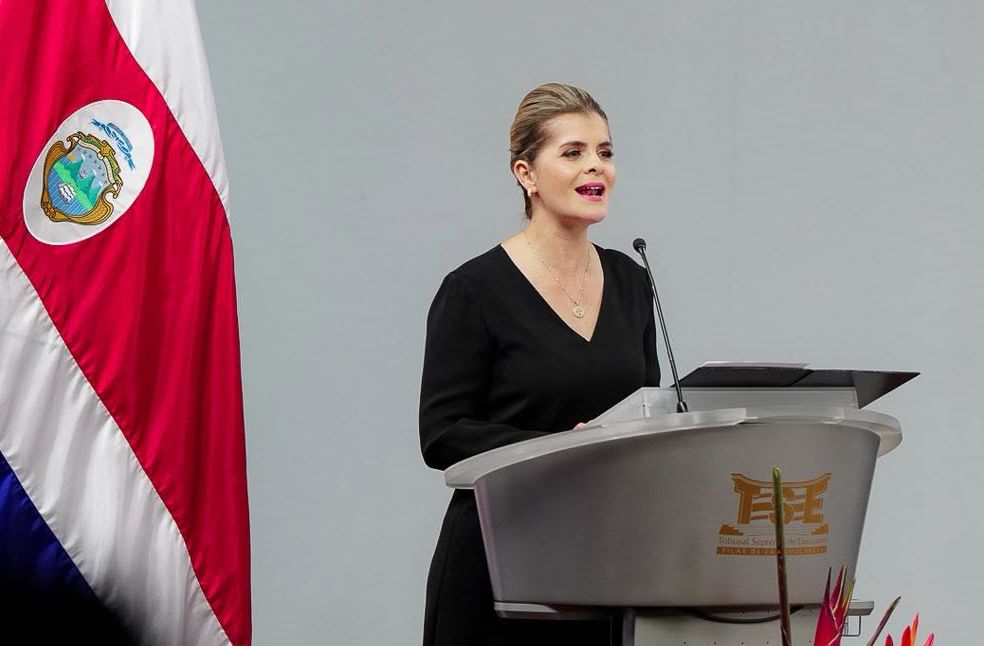
President Laura Fernandez officially opened the High-Containment Centre Against Organised Crime (CACCO), introducing a tougher approach to prison management and national security. The facility will have the capacity to house approximately 20 percent of Costa Rica’s current prison population.
Speaking at the inauguration ceremony, Fernandez remarked that the new prison would establish a stricter security framework aimed at preventing criminal organisations from operating within correctional facilities. Fernandez stated that, “The CACCO will force criminals to face a new model – a tough-on-crime model. Costa Rica will become a global benchmark for prison security.”
The first group of inmates is expected to be transferred to the facility by the end of October. Justice Minister Gabriel Aguilar emphasised that the prison would help authorities regain control of the correctional system and reduce the influence of organised criminal networks.
Rising homicide rates raise security concerns
Costa Rica, historically regarded as one of Central America’s more peaceful nations, has experienced a significant increase in violent crime in recent years. The country recorded 905 homicides in 2023, its highest annual total, followed by 876 killings in 2024 and 873 in 2025.
Security analysts have attributed the increase partly to growing competition among criminal organisations seeking control of profitable drug trafficking routes. The worsening security situation has prompted the government to introduce stronger measures targeting organised crime, including expanded detention infrastructure and tighter prison security.
Latin American nations adopt tougher prison policies
Costa Rica’s latest initiative reflects a broader regional shift towards stricter law enforcement policies inspired by El Salvador’s President Nayib Bukele. Bukele’s administration has gained widespread attention for its aggressive campaign against criminal gangs, including mass arrests and the construction of large detention facilities.
El Salvador’s Terrorism Confinement Centre (CECOT), which has a capacity of approximately 40,000 inmates, has become a prominent example of the mega-prison model.
Several Latin American leaders have expressed interest in adopting similar approaches. Peruvian President Keiko Fujimori has announced plans to visit CECOT while considering the development of a comparable detention facility in Peru.
Colombian President Abelardo de la Espriella has also supported expanding prison infrastructure, having campaigned on a proposal to construct 10 mega-prisons. Meanwhile, Brazilian Senator Flavio Bolsonaro has included plans for five mega-prisons in his presidential campaign, drawing inspiration from El Salvador’s security policies.
Human rights concerns surround mega-prison model
Despite growing political support for stricter detention policies, human rights organisations have raised concerns about the potential consequences of adopting the Salvadoran model. El Salvador introduced a state of exception in 2022, granting expanded powers to police and military authorities to combat gang-related violence.
Although the emergency measures have been associated with a substantial decline in homicides, rights groups have criticised the government over allegations of arbitrary detention, restricted legal protections and mistreatment of prisoners.
The prolonged emergency framework has also enabled mass trials involving hundreds of defendants, while some detainees have reportedly remained imprisoned without formal charges. Critics argue that large-scale detention facilities can contribute to overcrowding, inadequate prison conditions and violations of due process.
As Costa Rica prepares to begin transferring inmates to CACCO later this month, the initiative is expected to draw attention to the balance between strengthening public security and protecting fundamental human rights.
MOST READ | China and North Korea to open New Yalu River Bridge
