


Close Menu

    Get the latest news around the globe

    Editor's Pick

    Weight loss drugs connected to digestive issues; Study

    Meta stocks drop after company unveils spending plans

    ASA cracks down on misleading ‘recycled’ fashion ads

    Facebook X (Twitter) Instagram LinkedIn
    Facebook X (Twitter) LinkedIn Instagram
    Britain HeraldBritain Herald
    Subscribe
    • Home
    • World Roundup
    • Business
    • Tech World
    • Entertainment & Events
    • Curious
    • More…
      • Spotlight
      • Knowledge
      • Lifestyle
      • Awareness
      • Women World
      • Sports
      • Travel
      • Notable
      • Contact Us
    Britain HeraldBritain Herald
    Home » Ocean acidification: Marine ecosystem face a growing threat
    Knowledge

    Ocean acidification: Marine ecosystem face a growing threat

    New global study confirms ocean acidification has crossed critical limits, posing a direct threat to marine life and coastal economies.
    Content DeskBy Content DeskJune 9, 2025
    Facebook Twitter LinkedIn WhatsApp
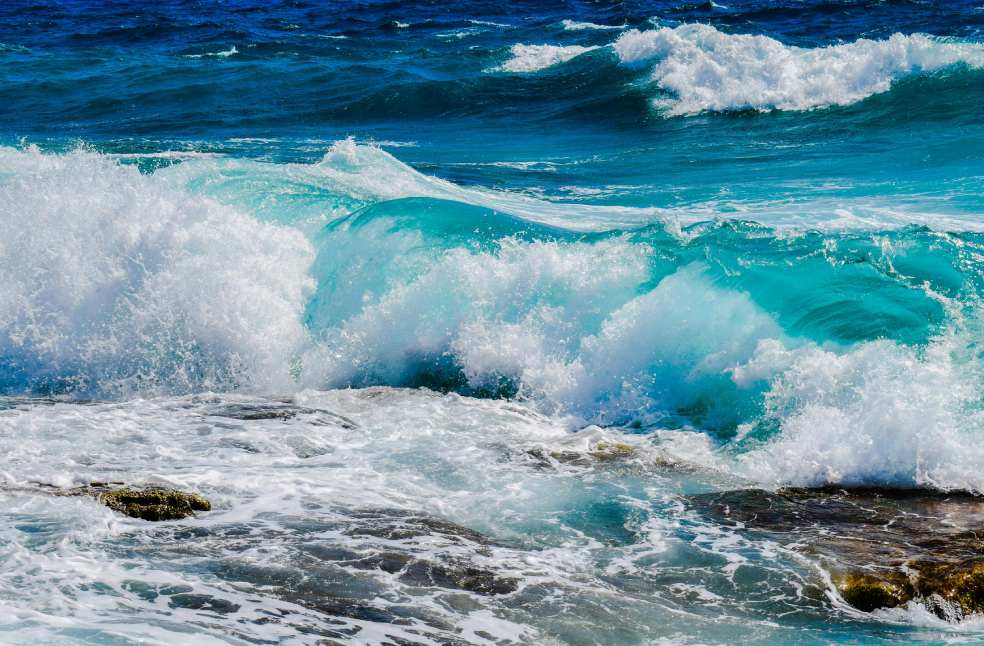
    Ocean acidification
    Image Via: Pixabay@Pexels | Cropped by BH

    England: A new study, led by the UK’s Plymouth Marine Laboratory (PML), alongside the National Oceanic and Atmospheric Administration and Oregon State University’s Co-operative Institute for Marine Resources Studies, has confirmed that ocean acidification has reached dangerous levels.

    The Evil Twin

    Scientists now warn that time is running out to prevent irreversible damage to vital underwater habitats. Ocean acidification, often called the ‘evil twin’ of climate change, occurs when carbon dioxide is absorbed by seawater. This process lowers pH levels and reduces the availability of calcium carbonate – a substance essential to many marine organisms.

    The Ocean acidification severely threatens coral reefs, shellfish, and a wide array of marine species. Until recently, ocean acidification had not been identified as having breached its planetary boundary – a scientific threshold that marks the safe operating space for Earth’s systems. Last year, scientists confirmed six out of nine planetary boundaries had already been crossed. This new research, however, confirms that ocean acidification silently joined the list around 2020.

    “Ocean acidification isn’t just an environmental crisis – it’s a ticking timebomb for marine ecosystems and coastal economies,” stated Prof Steve Widdicombe, PML, who also co-chairs the Global Ocean Acidification Observing Network.
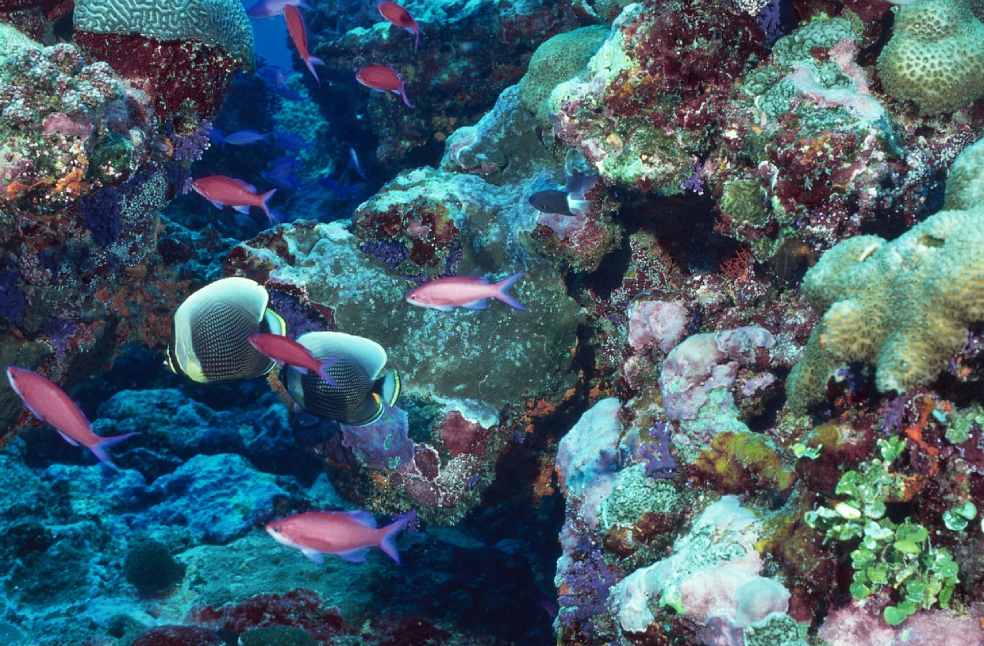
    Ocean acidification Marine ecosystems
    Image via: Pixabay | Cropped by BH

    What the study shows?

    The study analysed 150 years of ocean data, combining modern and historical measurements, ice core records, and advanced modelling techniques. It revealed that the average global ocean condition had already reached or exceeded the acidification boundary. Particularly at depths of 200 meters, 60 percent of global waters were found to be beyond the safe limit.

    “Most ocean life doesn’t just live at the surface. The waters below are home to many more different types of plants and animals. Since these deeper waters are changing so much, the impacts of ocean acidification could be far worse than we thought,” said PML’s Prof Helen Findlay.

    Prof Helen further added that the findings have huge implications for important underwater ecosystems such as tropical and even deep-sea coral reefs that provided essential habitats and nursery grounds for the young of many species.

    Ocean acidification marine ecosystems face a growing threat
    Image Via: Agnieszka@Pixabay | Cropped by BH

    As acidity rises, marine life that relies on calcium carbonate to build shells and skeletons – including corals, oysters, mussels, and sea butterflies – struggle to survive. These species experience weakened structures, reduced growth, and lower reproduction rates.

    The researchers stress that the only long-term solution is to reduce carbon dioxide emissions globally. In the meantime, local conservation efforts must prioritise the most vulnerable regions and species.

    “This report makes it clear, we are running out of time and what we do – or fail to do – now is already determining our future. We are coming to terms with an existential threat while grappling with the difficult reality that much suitable habitat for key species has already been lost. It’s clear that governments can no longer afford to overlook ocean acidification in mainstream policy agendas,” commented Jessie Turner, director of the International Alliance to Combat Ocean Acidification.

     ALSO READ | Japan’s ispace Moon Lander likely crashes again on descent

    STAR OF SECTOR 2025
    Climate Change CO2 Emissions Coral Reefs Environmental Crisis Global Warming Marine Ecosystem National Oceanic and Atmospheric Administration Ocean Acidification
    Share. Facebook Twitter LinkedIn WhatsApp
    Avatar
    Content Desk

    The news/article published above has been sourced, compiled, and corroborated by a member of the Britain Herald News Desk Team. If you have any queries or complaints about the published material, please get in touch with us at BritainHerald@Gmail.Com

    Newly Updated

    NHS to offer free high-street cholesterol tests across England

    August 31, 2026

    Djokovic suffers shock US Open exit after emotional defeat

    August 31, 2026

    Thousands hit by delays as Kenya airport strike enters second day

    August 31, 2026
    STAR OF SECTOR 2025

    Business

    Europe’s gas storage drops to lowest level in 13 years

    Business August 29, 2026

    London: EU gas storage levels have fallen to their lowest point in 13 years ahead…

    Holiday Warning: 10 ways to spot misleading hotel reviews

    August 28, 2026

    Global tech firms urge action against rising AI threats

    August 28, 2026

    Nvidia revenue doubles to $96 billion as AI demand surges

    August 27, 2026
    Stay In Touch
    • Facebook
    • Twitter
    • LinkedIn
    • Instagram

    Curious

    Queensland woman gives birth to twins with different biological parents

    August 27, 2026

    Giant Python successfully treated with human cancer therapy

    August 21, 2026

    Forgotten history of dining tables and how we eat

    August 16, 2026

    Earth to witness billions receiving sunlight together

    July 8, 2026

    Get the latest news around the globe

    Knowledge

    Why migration is transforming cities around the world

    Knowledge August 19, 2026

    Migration is transforming modern cities by changing their populations, economies, cultures and urban landscapes. People…

    Forgotten history of dining tables and how we eat

    August 16, 2026

    30 Days of Tai Chi: A new way to move and slow down

    August 15, 2026

    10,000-steps rule: Where did that number actually come from?

    August 2, 2026
    18-EA-387-TryEngineeringSummerInst_BannerAd_300x250_Robot
    About Us
    About Us

    Britain Herald is a UK rooted, digital first media brand focused on business, diaspora, leadership, innovation and international affairs. Built for the emerging authority economy, it values credible expertise, trusted institutions and recognised voices.

    Operated and Managed by WellMade Network, the portal is a sister concern of GCC Business News and Emirati Times.

    Email Us: News@BritainHerald.com
    Whatsapp: +971 5060 12456

    We Have

    NHS to offer free high-street cholesterol tests across England

    August 31, 2026

    Djokovic suffers shock US Open exit after emotional defeat

    August 31, 2026

    Thousands hit by delays as Kenya airport strike enters second day

    August 31, 2026

    Studies explore link between inflammation and mental health

    August 31, 2026

    Russia, China leaders gather for SCO summit in Kyrgyzstan

    August 31, 2026
    Facebook X (Twitter) LinkedIn Instagram
    • Home
    • Business
    • Tech World
    • Awareness
    • Contact Us
    Privacy & Cookies Policy | Terms & Conditions
    © 2002 BritainHerald.com, An Initiative by WellMade Network

    Type above and press Enter to search. Press Esc to cancel.