


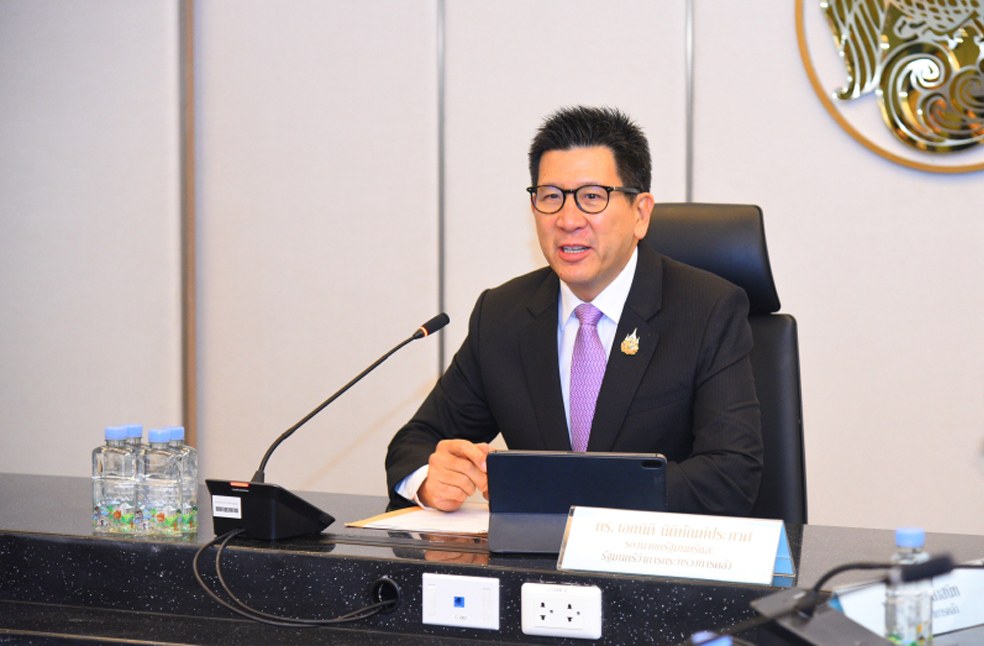
Bangkok: The International Monetary Fund (IMF) and the World Bank introduced a framework to tackle cyber-enabled fraud, as Thailand highlighted the growing financial impact of online scams across the region.
Known as the Bangkok Blueprint for Fraud-Resilient Financial Services, the framework is designed to help policymakers, regulators, financial institutions and other stakeholders strengthen their responses to digital fraud. However, it does not constitute formal policy guidance from the IMF or the World Bank.
Speaking at the framework’s launch during the annual IMF and World Bank meetings in Bangkok, Thai Finance Minister Ekniti Nitithanprapas stated that digital fraud and scams had become a global problem, costing the world economy around $1 trillion annually, equivalent to 3 percent of global gross domestic product (GDP).
Asia-Pacific Faces Rising Scam Losses
Scam gangs defrauded residents across the Asia-Pacific region of at least $88 billion in 2025, according to the United Nations Office on Drugs and Crime (UNODC). Transnational criminal groups are rapidly adapting their tactics to stay ahead of law enforcement, adding to the challenge of tackling online fraud.
Bank of Thailand Governor Vitai Ratanakorn noted that Asia accounted for 67 percent of global fraud losses in 2024. He added that the region had gained valuable experience in combating digital fraud, offering practical lessons that other countries could adapt to their own circumstances.
Digital Fraud Threatens Financial Inclusion
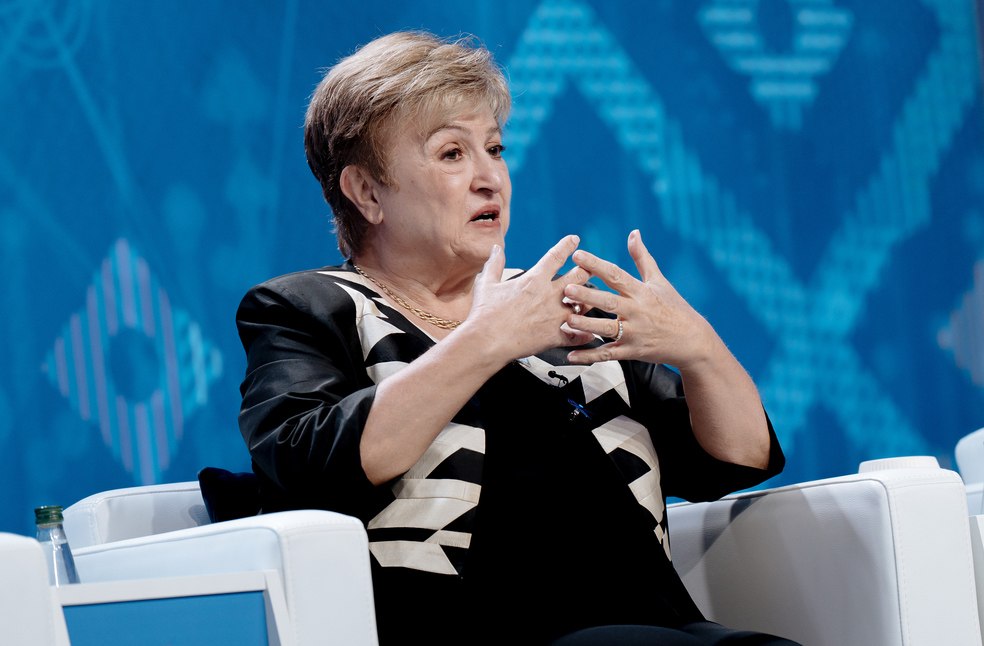
IMF Managing Director Kristalina Georgieva warned that the expansion of cyber fraud could undermine the progress made through digital finance.
Digital financial services have helped people who previously lacked access to the financial system participate in it. However, the growing threat of scams risks reversing these gains, highlighting the need to strengthen fraud prevention while protecting access to financial services.
The Bangkok Blueprint seeks to support stakeholders in addressing these challenges as online scams continue to pose a significant threat to financial security worldwide.
MOST READ | Women with autoimmune conditions wait longer for diagnosis
