


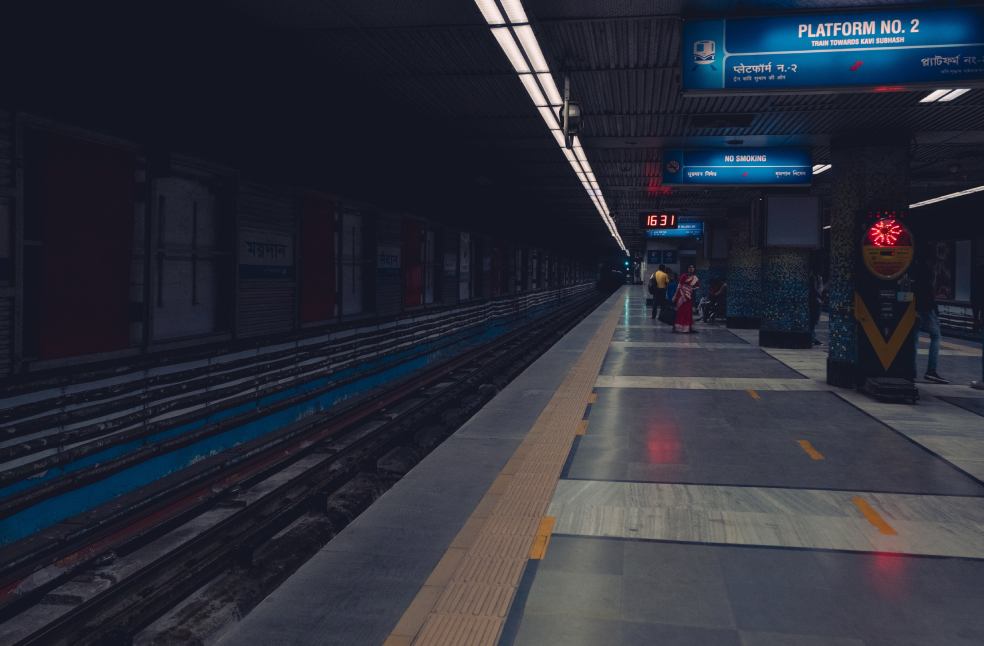
New Delhi: Authorities in India’s capital have stepped up security measures, closing six metro stations and announcing traffic restrictions as opposition parties prepare to march to the Supreme Court over controversial changes to electoral rolls.
The planned demonstration comes with growing political unrest over a nationwide voter list verification exercise that has resulted in the removal of more than 130 million names. Opposition leaders allege that the revisions disproportionately affect minority communities and favour Prime Minister Narendra Modi’s ruling Bharatiya Janata Party (BJP).
Protests have intensified across Delhi in recent weeks, with opposition parties and supporters of the youth-led cockroach movement demanding the resignation of Chief Election Commissioner Gyanesh Kumar.
The electoral roll revision, which began last year, has reportedly resulted in the deletion of more than 130 million voter registrations. According to official figures cited in reports, approximately 30 million voters could not be traced, 28 million were recorded as deceased, and 63 million had relocated.
March for Democracy.
March for Justice.#ChaloDilli https://t.co/1GQetlPOAY
— Rahul Gandhi (@RahulGandhi) October 12, 2026
Opposition parties claim that Muslim voters and other minority groups, who are considered less likely to support the BJP, have been disproportionately affected. However, both the Election Commission and the ruling party have rejected these allegations.
Security tightened with growing demonstrations
Delhi Police have intensified security arrangements following several days of protests that led to the detention of thousands of demonstrators over the weekend. Among those detained were leaders of the Cockroach Janta Party (CJP), whose supporters attempted to organize protest marches despite extensive police restrictions in central Delhi.
Authorities confirmed that six metro stations were closed on October 12 for security reasons, while traffic restrictions and diversions were introduced at 20 locations to prevent disruptions and maintain public order.
The Election Commission has maintained that the voter list revision is a legitimate verification exercise and has denied allegations of political bias. Officials have also stated that eligible voters whose names were incorrectly removed can apply for re-enrollment.
Meanwhile, the BJP has accused opposition parties of undermining public confidence in India’s democratic institutions by challenging established electoral procedures.
Congress seeks Supreme Court intervention
The main opposition Congress party has announced plans to march to the Supreme Court and submit a memorandum to the Chief Justice, demanding an end to what it describes as electoral manipulation and calling for Kumar’s resignation.
Congress leader Rahul Gandhi urged young people, opposition parties, and civil society organizations to participate in the demonstration. He stated that the march would bring together individuals committed to protecting democracy and upholding the Constitution of India.
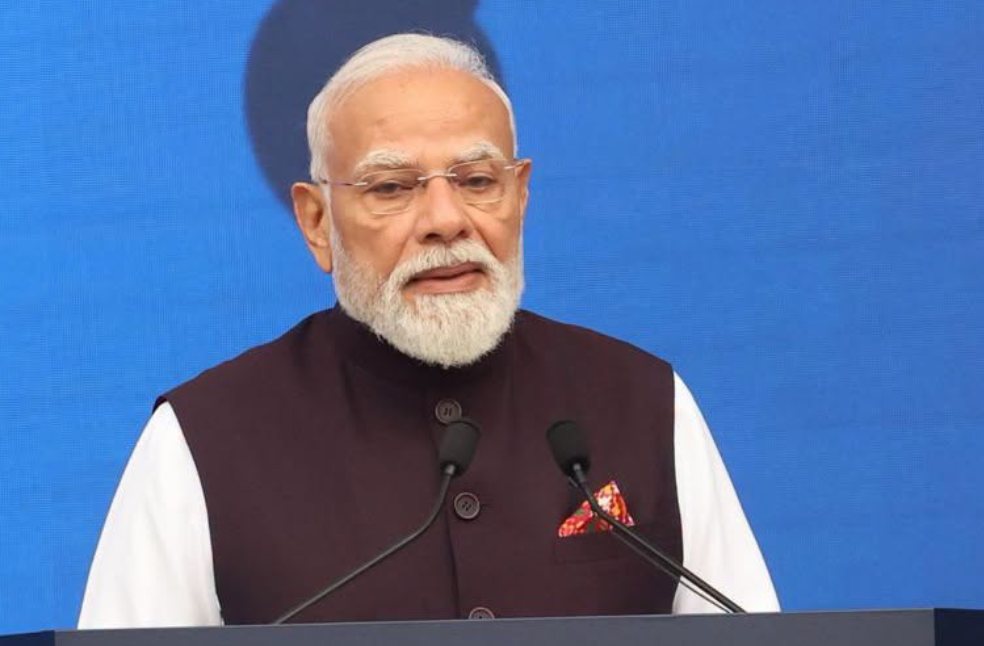
However, Chief Justice Surya Kant reportedly declined a request to meet the Congress delegation, advising party representatives to pursue the matter through established legal procedures. According to a Congress source, the Chief Justice indicated that the controversy was already under judicial consideration and should therefore be addressed through formal court proceedings.
Separately, the CJP announced plans to meet Delhi Police officials to seek permission for a peaceful demonstration. The party warned that it could issue a fresh protest call if authorities failed to provide a date within 24 hours.
The youth-led movement has emerged as a significant political challenge to Modi’s government, mobilizing demonstrations over issues including employment opportunities, government school infrastructure, and electoral transparency.
With opposition parties continuing to challenge the voter list changes and the matter under judicial scrutiny, political tensions remain elevated in the national capital. The controversy has intensified debate over electoral transparency, voter rights, and public confidence in India’s democratic process.
MOST READ | Firefighters tackle major blaze at Glasgow scrap yard
