


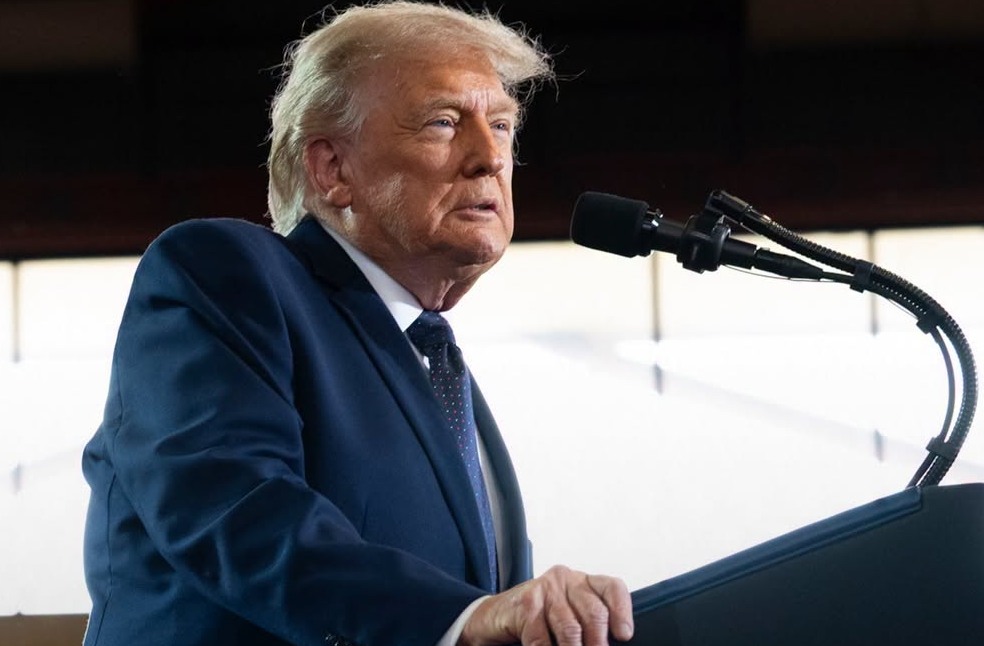
Cairo: Iran has stated that it will wait for an official response from US negotiators after President Donald Trump rejected Tehran’s proposal to reopen the Strait of Hormuz to commercial shipping within seven days.
Iranian Foreign Minister Abbas Araghchi acknowledged Trump’s rejection in a Telegram post but noted that the US president had made what Tehran considers contradictory statements about negotiations between Washington and Tehran. Araghchi stated that Iran was waiting for mediators to convey Washington’s definitive position before deciding how to proceed.
Trump told reporters on September 26 that the Iranian proposal was not acceptable and stated that Tehran should open the strategic waterway immediately. Trump also claimed that the United States already had ‘total control’ of the Strait of Hormuz.
The Iranian proposal was presented during diplomatic discussions around the United Nations General Assembly in New York. Araghchi stated on September 25 that Iran had submitted a seven-day roadmap through Qatar, under which the Strait could be reopened and negotiations with the United States could resume if certain conditions were met.
According to the proposal, the initial steps would take around four to five days, with the Strait reopening on the sixth day. Talks between Iran and the United States would then begin on the seventh day, according to Araghchi.
Iran has linked the reopening of the waterway to wider measures aimed at ending hostilities. The proposal reportedly included conditions involving the US naval blockade of Iranian ports, sanctions affecting Iranian oil sales and a regional ceasefire.
Araghchi has also referred to an earlier memorandum of understanding between Iran and the United States as part of the framework for discussions. Tehran has stated that reopening the Strait and ending hostilities were among the issues raised during negotiations surrounding the UN General Assembly.
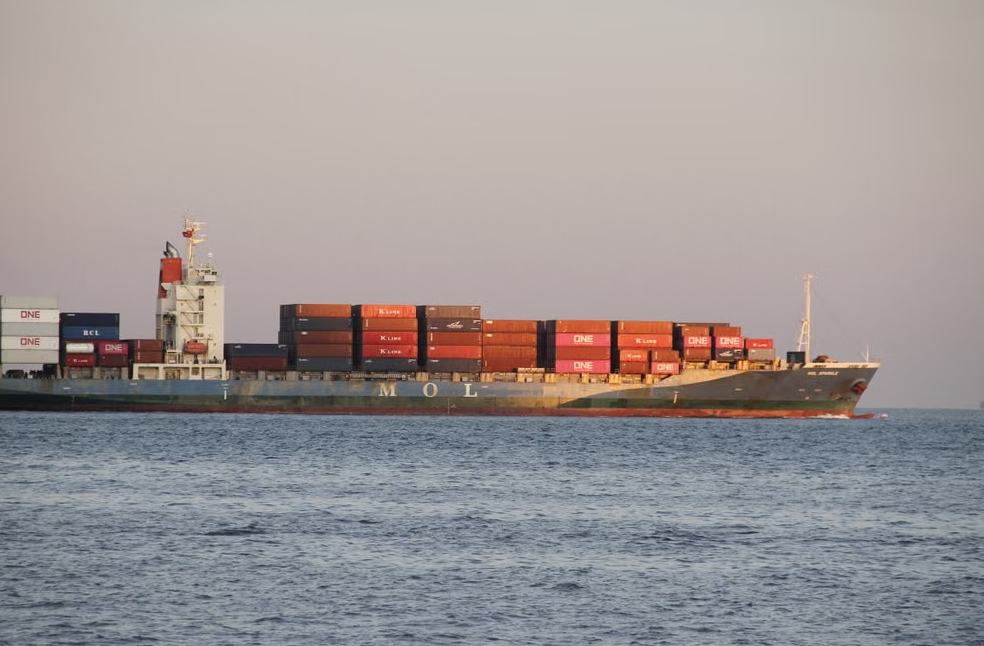
The Strait of Hormuz remains central to the wider conflict because of its importance to global energy shipments. Under normal conditions, around one-fifth of the world’s oil and natural gas supplies move through the waterway, making disruptions a major concern for energy markets and international trade.
Oman, which has played a mediating role between Washington and Tehran, has called on the parties to maintain dialogue. Oman’s Foreign Minister Sayyid Badr bin Hamad bin Hamood Albusaidi urged continued cooperation to protect navigation through the strategic waterway.
The Trump administration has maintained economic pressure on Iran alongside its military measures. US Treasury Secretary Scott Bessent stated on September 26 that restrictions affecting Iranian airlines and banking transactions in countries including Türkiye, Oman and the UAE were contributing to increased pressure on Tehran.
The effectiveness of the sanctions remains subject to the response of Iran’s major trading partners. China remains an important buyer of Iranian oil and has continued economic engagement with Tehran despite previous US sanctions.
For now, Tehran has indicated that it will wait for the formal position communicated through mediators before determining its next move. The response from Washington could shape the next stage of diplomatic efforts over the Strait of Hormuz and the wider conflict.
RELATED POST | Iran offers US plan to reopen Strait of Hormuz within a week
