


Washington: The US Supreme Court has rejected President Donald Trump’s attempt to introduce new restrictions on mail-in voting ahead of November’s midterm elections, dealing the White House a setback while leaving the broader legal battle unresolved.
The justices upheld a lower court order blocking the US Postal Service (USPS) from implementing new requirements for processing and delivering postal ballots. However, the decision may not represent the final ruling on Trump’s policy, as further litigation is expected.
Conservative Justice Brett Kavanaugh supported the ruling but indicated that he could ultimately side with the administration once the case reaches its final stage. Brett Kavanaugh said there was at least a fair prospect that the proposed rules fell within the Postal Service’s legal authority, but argued that introducing them during the 2026 elections would be arbitrary and capricious.
Justices Samuel Alito and Clarence Thomas dissented, arguing that the challenge against the administration’s order was unlikely to succeed in the long term. They maintained that the Postal Service has broad authority to regulate mail delivery.
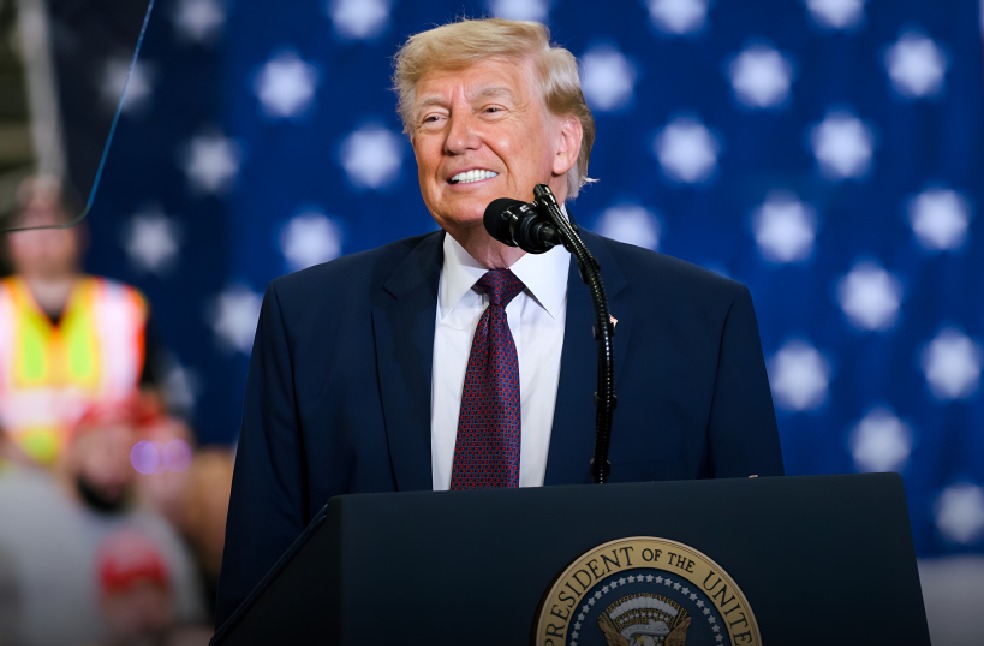
Trump signed an executive order in March directing the USPS to introduce tighter verification measures for mail-in ballots, including unique barcodes on ballot envelopes and the creation of an online system requiring election officials to provide information about voters receiving postal ballots.
The administration said the measures were intended to prevent electoral fraud. However, 23 states and Washington DC challenged the order, arguing that it interfered with states’ constitutional authority to administer elections.
A federal judge in Boston, Indira Talwani, issued an injunction on September 4, ruling that implementing the changes so close to the elections could disenfranchise voters. An appeals court subsequently declined to suspend the order, while another federal judge, Carl Nichols, also ruled against the administration.
The issue is particularly significant as around 30 percent of voters, mostly Democrats, used mail-in ballots in the previous general election. Several states have already begun distributing postal ballots ahead of the midterms, which will determine control of Congress.
The Supreme Court’s latest decision follows another defeat for Trump in June, when the justices ruled that states could count ballots postmarked by election day even if they arrived after polling stations had closed.
Trump has repeatedly promoted unsubstantiated claims that widespread electoral fraud was responsible for his defeat in the 2020 presidential election, and has continued to advocate tighter restrictions on mail-in voting despite having voted by post himself.
POPULAR | Protests erupt across Syria after fuel prices rise
