


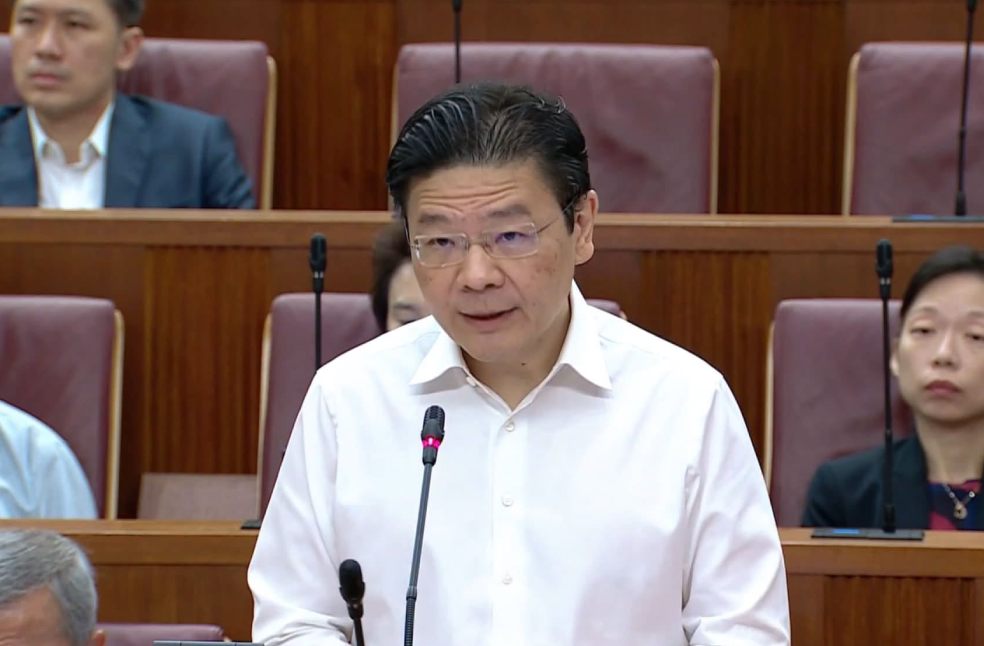
Singapore: Singapore Prime Minister Lawrence Wong, already the world’s highest-paid political leader, is set to receive an annual pay increase of about 1.4 million Singapore dollars ($1.1 million), taking the total package to around S$3.6 million ($2.8 million).
Wong currently receives about S$2.2 million a year. Under the new arrangement, the increase will push the prime minister’s annual compensation more than 60 percent higher. Wong has said the additional income will be donated to charity over the next five years.
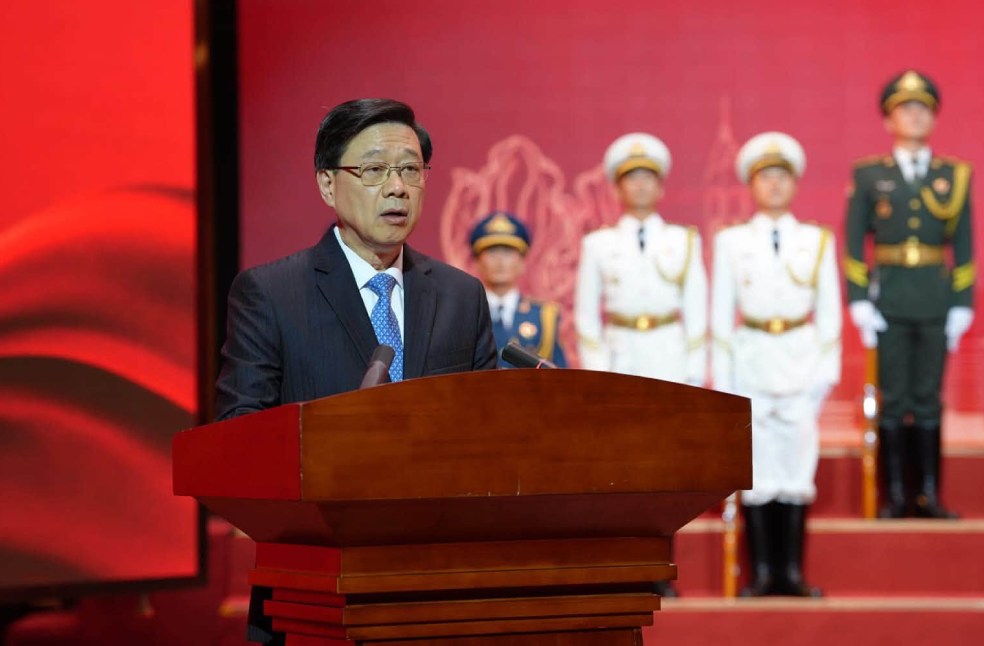
The increase puts Wong’s compensation far above that of other national leaders. Hong Kong Chief Executive John Lee is the next highest-paid leader on the comparison, earning about $719,000 a year, followed by Swiss President Guy Parmelin at around $606,000.
US President Donald Trump receives an annual salary of $400,000, while British Prime Minister Andy Burnham earns about $230,000. The comparison highlights the unusually high level of compensation offered to Singapore’s political leadership.
Singapore’s government has defended the salary structure, arguing that competitive pay is needed to attract talented people from the private sector and senior public service into politics. The government has also argued that high salaries can reduce incentives for corruption.
Wong said the government faces difficulties persuading experienced business leaders and senior civil servants to leave established careers and enter politics. While political salaries cannot always match private-sector earnings, Wong said the financial sacrifice should not become an unnecessary barrier to political service.
Under the revised system, ministers’ base pay will rise from about S$1.1 million to approximately S$1.2 million. Wong expects most ministers to receive around S$1.35 million by the end of the current government term, depending on performance.
Part of ministers’ compensation is linked to national economic indicators, including unemployment, income growth and GDP growth. The system is designed to tie a portion of political leaders’ remuneration to Singapore’s overall economic performance.
The proposed increase has nevertheless drawn criticism from Singaporeans concerned about job security, inflation and the rising cost of living. Retrenchments reached their highest level in more than five years in the latest quarter, according to government figures.
Critics have questioned whether such a large increase is appropriate when the median monthly income in Singapore is S$5,775. Some online commentators have described the move as “tone deaf”, while others have argued that Singapore needs to offer competitive compensation to attract the best candidates into government.
The issue of ministerial salaries has long been politically sensitive in Singapore. The ruling People’s Action Party suffered its lowest vote share in decades in the 2011 general election, with dissatisfaction over ministerial salaries and immigration among the issues contributing to voter discontent. The government subsequently cut ministers’ salaries.
Former Prime Minister Lee Hsien Loong also pledged in 2007 to donate a salary increase to charity for several years. The government continues to point to Singapore’s strong record on corruption as evidence that its high-pay model can work.
Singapore consistently ranks among the world’s least corrupt countries in Transparency International’s Corruption Perceptions Index.
Despite that record, the latest increase is likely to keep the debate over political salaries alive, particularly because Wong’s new package will remain substantially higher than the compensation received by other major political leaders around the world.
MOST READ | Austria headscarf ban for under-14s takes effect as schools reopen
