



Helsinki: Google will invest at least €13 billion ($15.1 billion) in artificial intelligence infrastructure in Finland over the next 2 years, marking the company’s largest single investment in Europe.
The Alphabet-owned company has selected Finland for a major expansion of its AI infrastructure as demand for computing capacity continues to grow. The investment will cover data centres along with electricity grid improvements and clean energy and battery projects.
Google noted that the infrastructure will support services including Gemini, Search, Maps and YouTube. The projects are planned for 2027 and 2028 and are expected to strengthen Finland’s role in Europe’s expanding digital and AI sector.
The investment is also expected to deliver a significant economic contribution during construction. Google estimates the projects will add about $3.6 billion to Finland’s gross domestic product during the construction phase.
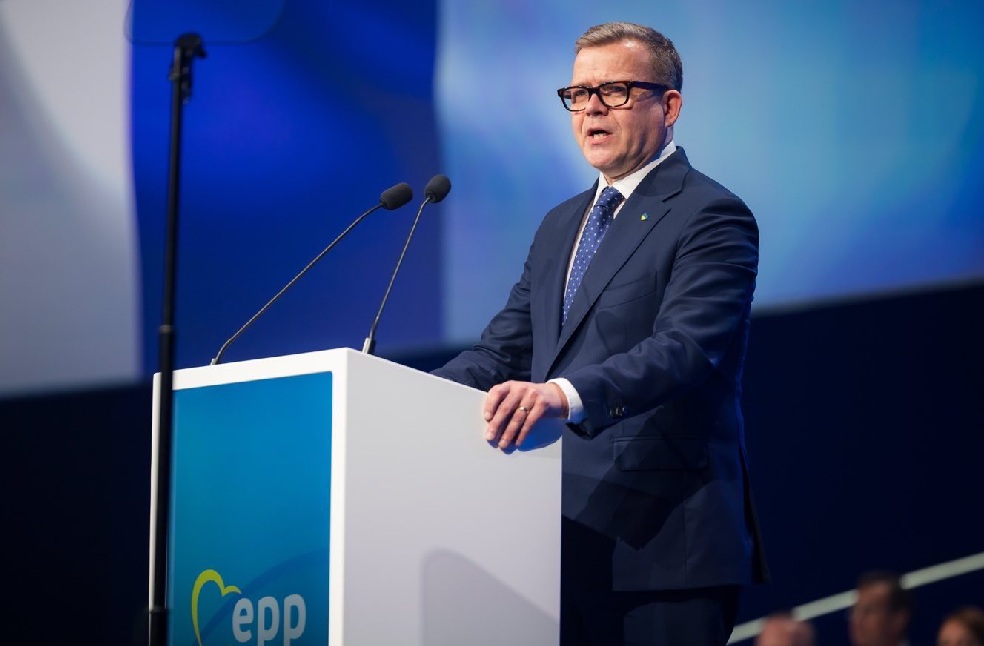
Finland’s Prime Minister Petteri Orpo has described Google’s decision as a strong endorsement of the country’s strengths. Orpo has also highlighted the wider value of the data economy in driving innovation, research and development.
Once operational, the infrastructure is projected to support about 7,000 jobs each year. The projects will also increase demand for clean electricity and strengthen infrastructure needed to operate energy-intensive data centres.
Finland has become an attractive destination for data centre investment. The country’s cold climate can reduce the cost of managing heat generated by large computing facilities. Finland also has substantial supplies of low-carbon electricity, making the country attractive to technology companies seeking to control energy costs and meet climate targets.
Companies including Microsoft and TikTok owner ByteDance have also pursued data centre projects in Finland. Alphabet also increased global investment plans to between $195 billion and $205 billion this year as the company seeks to meet rising demand for computing power. The growing investment reflects rising demand for computing infrastructure across Europe as artificial intelligence services expand.
POPULAR | Global oil shift threatens economies, public services at risk
