


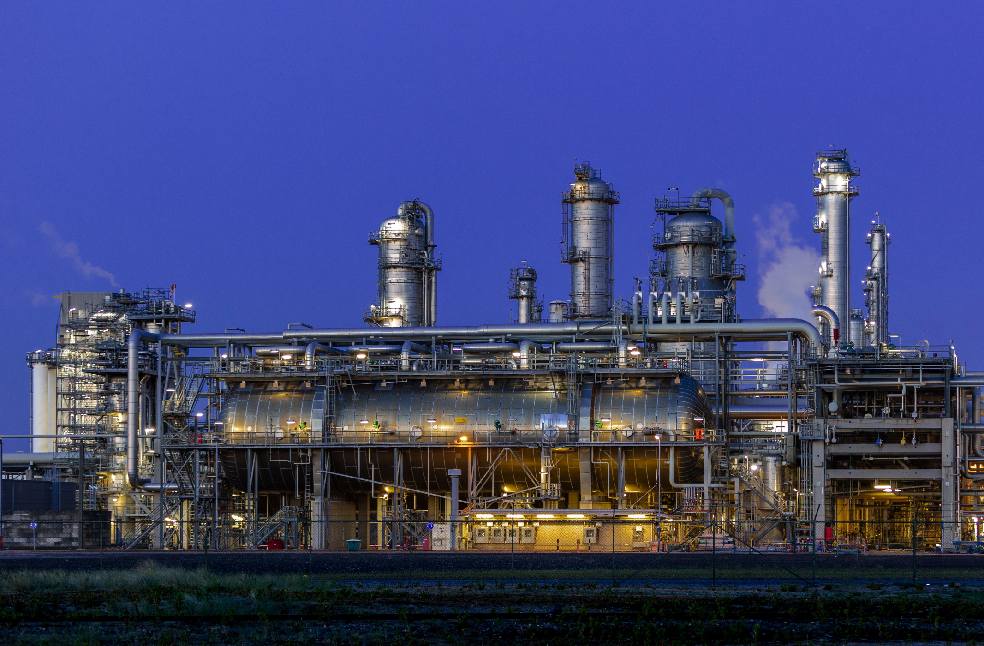
London: The global move away from oil could fuel conflict, migration and economic upheaval unless governments act to protect countries that depend heavily on oil revenues.
Nigeria, Iran, Angola and Algeria are among the countries considered particularly vulnerable. These economies rely strongly on oil income to fund governments and public services. Many also have limited economic diversification and insufficient capital to absorb a prolonged decline in oil revenues.
Oil use has already started to weaken in several countries as renewable energy expands. The effects of the Iran war added pressure by restricting supply and pushing oil prices higher. The resulting inflation and political instability could add to the difficulties facing oil-dependent economies.
As demand declines, producers will compete for a shrinking pool of buyers. E3G’s research suggests that the lowest-cost producers with abundant resources are likely to remain strongest. Saudi Arabia and the United Arab Emirates are among those better placed because of relatively advanced infrastructure.
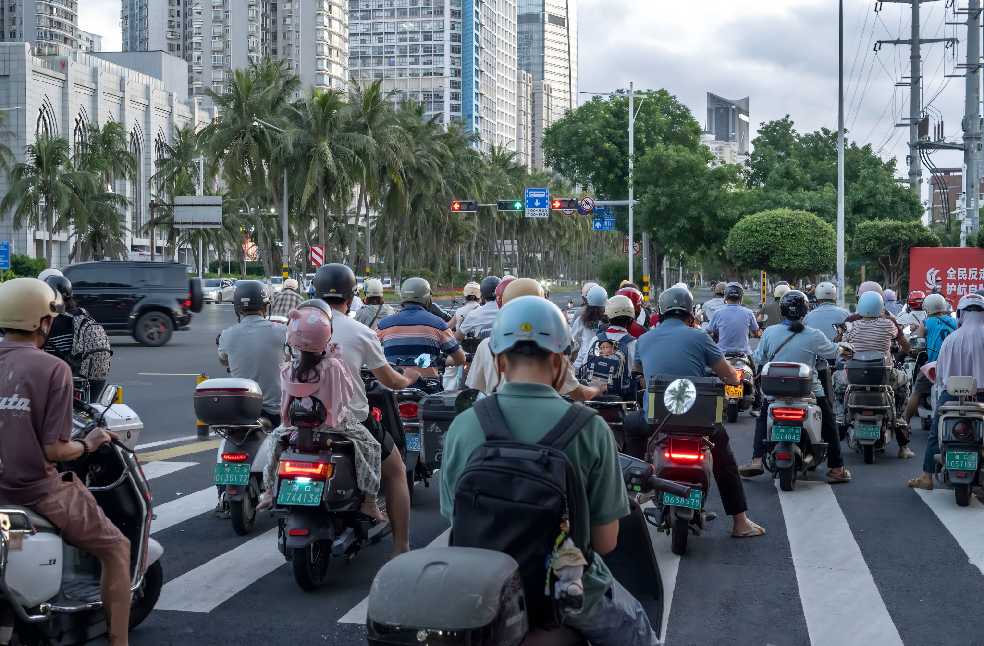
China’s oil consumption has also moved towards a decline as electric vehicle adoption grows. India’s future energy direction remains less certain and could influence how quickly global oil demand falls and whether some of the most severe effects of climate breakdown can be avoided.
E3G compiled the research over 2 years and used war-gaming exercises involving more than 100 public servants and experts from around the world. Oil income accounts for more than 40 percent of government revenue in 17 countries. Iraq and Libya are among the most exposed, with oil providing between 70 percent and 90 percent of government revenues.
Angola and Mexico already spend more than a quarter of government revenue on servicing public debt. Addressing the risks will require cooperation between the International Monetary Fund, the World Bank, private financial institutions and governments.
The research forecasts sharp revenue losses from 2030. Algeria could face an 87 percent decline in oil revenue while Nigeria could see a fall of more than 60 percent. Falling oil income could leave major gaps in funding basic services and place greater pressure on social structures.
POPULAR | Rising wildfire smoke deepen global air quality concerns
