


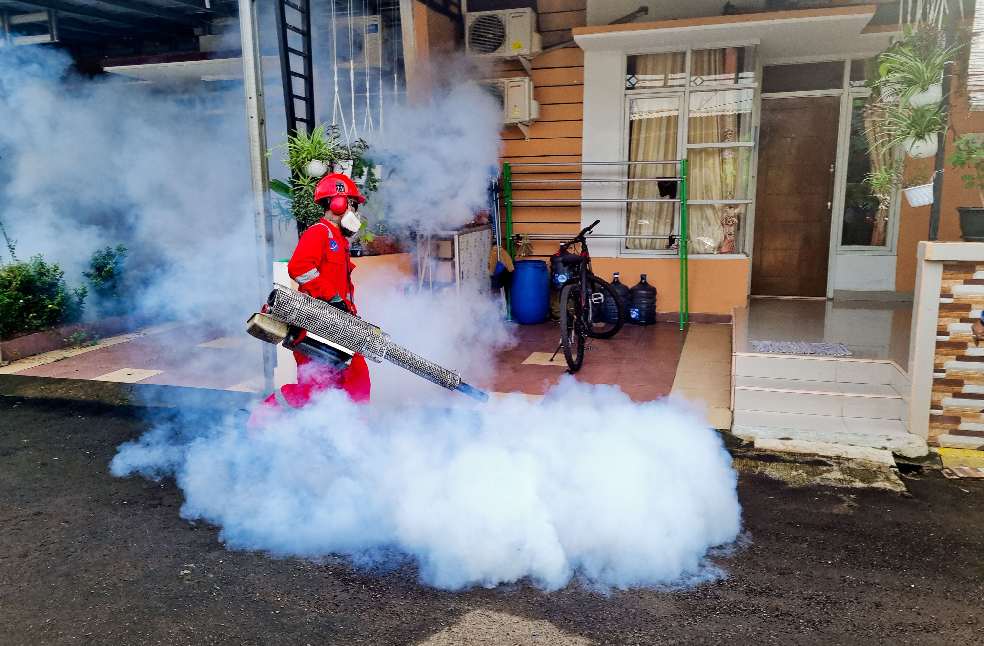
Dhaka: The dengue outbreak in Bangladesh has accelerated sharply in September, with 42,590 people hospitalised and 117 deaths recorded this year as hospitals face growing pressure.
At least 4 dengue patients was died and 1,558 others were admitted to hospitals over the past 24 hours, according to health ministry data. The daily admission figure is the highest recorded so far this year.
Dengue can cause high fever and severe headaches. The mosquito-borne disease can also lead to potentially fatal complications. The number of cases has risen sharply in recent weeks. The increase revived concerns following Bangladesh’s deadliest dengue outbreak in 2023.
The government has stepped up prevention measures as infections continue to rise. Prime Minister Tarique Rahman ordered nationwide clean-up and awareness campaigns as part of efforts to limit the spread of dengue.
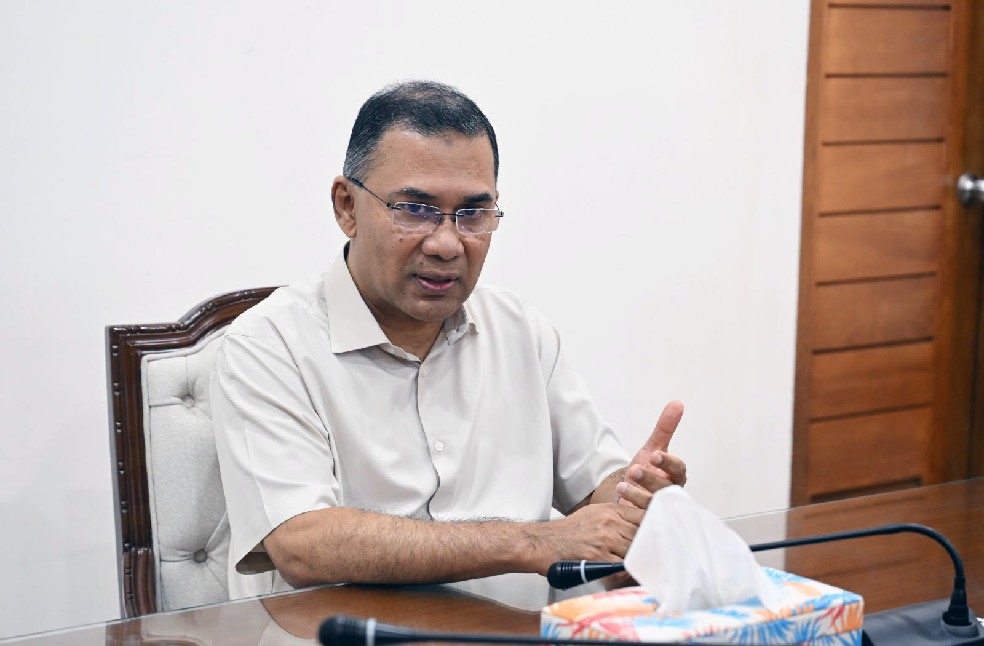
The Prime Minister urges communities to remove stagnant water and other potential mosquito-breeding sites. Greater public participation in mosquito-control measures has also been encouraged as authorities seek to contain the outbreak.
Health experts warns that September could prove more severe than August. August recorded the highest monthly dengue caseload of the year. The continuing rise in cases increased concerns about the disease burden in the weeks ahead.
Dengue patients can deteriorate quickly even after the fever has subsided. The critical period can involve plasma leakage and low blood pressure. Patients may also develop shock or severe bleeding. Close monitoring during the post-fever phase is therefore important to identify dangerous complications and provide timely care.
The accelerating caseload placed dengue prevention and hospital capacity under renewed focus. The September increase will remain a key concern as health authorities work to prevent further growth in infections and deaths in Bangladesh.
YOU MAY LIKE | China-Nepal border port wiped out by massive mudslide
