


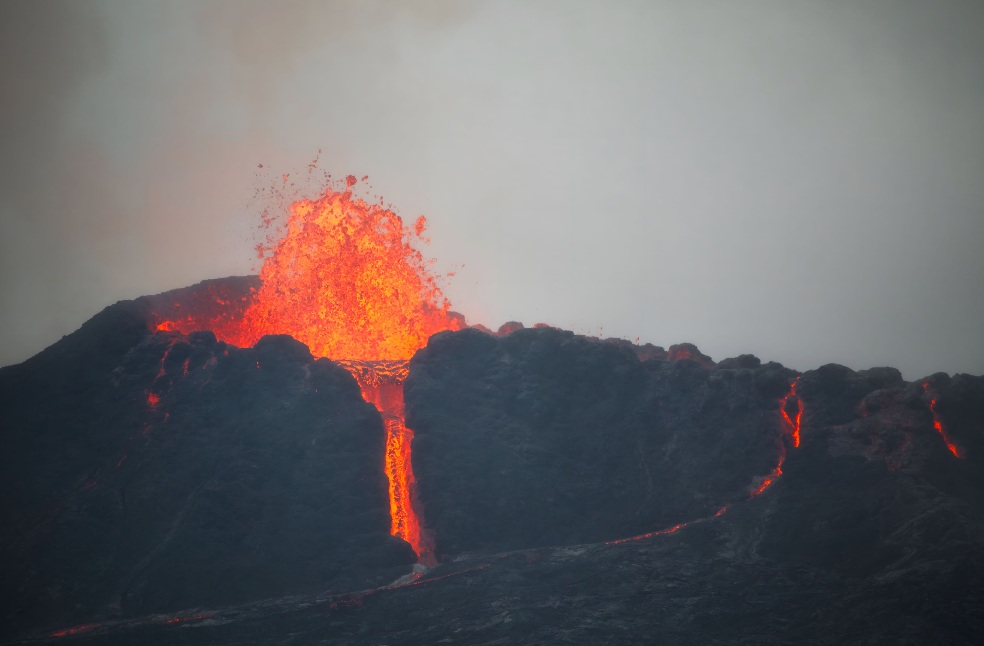
JAKARTA: Indonesia’s Mount Anak Krakatau eruption has disrupted air travel and local activities after volcanic ash reached Jakarta’s main airport and affected parts of Java and Sumatra.
Soekarno-Hatta International Airport suspended flight operations until 9:30 a.m. local time because of volcanic ash. The suspension affects 209 flights including several international services. The halt initially scheduled to continue until 5:30 a.m. was extended after ash was detected at the airport. The eruption continued from September 4, 2026, with volcanic ash spreading across parts of Java and Sumatra.
The National Disaster Mitigation Agency (BNPB) urged residents to remain calm while increasing vigilance. BNPB advised people exposed to ash to wear masks and eye protection. Residents were also told to reduce outdoor activities and cover water sources. Drivers were advised to exercise caution because volcanic ash can reduce visibility.
Bandara Internasional Soekarno-Hatta melakukan penghentian operasional penerbangan sampai pukul 13.30 WIB.
Untuk informasi kebandarudaraan silakan menghubungi Contact Center InJourney Airports 172.
Kami mohon maaf atas ketidaknyamanan yang mungkin terjadi. pic.twitter.com/6KvfRO3zXF
— SOEKARNO-HATTA INTERNATIONAL AIRPORT (@soettaairport) September 6, 2026
Volcanic ash spread across areas surrounding the volcano. The meteorological agency reported ash at heights of up to 20,000 feet (6,000 metres) on the Java side. A plume reaching 50,000 feet (15,000 metres) was also detected towards the Sumatra side and parts of Banten province in Java. Several schools cancelled activities on September 5 after ash affected students and residents.
The disaster mitigation agency said there was no imminent tsunami threat from the volcano. However, the eruption renewed attention on the risks associated with Anak Krakatau. A tsunami triggered by the volcano in 2018 killed hundreds of people and injured hundreds more on Java and Sumatra. The latest eruption has therefore prompted increased caution among communities in areas affected by volcanic ash.
Anak Krakatau lies roughly halfway between Java and Sumatra in Indonesia’s Pacific Ring of Fire. The volcano emerged about a century ago from the area once occupied by Krakatau, also known as Krakatoa. The earlier volcano was destroyed during a massive eruption in 1883 that killed more than 36,000 people through a series of tsunamis.
POPULAR | Europe’s extreme heat pushes temperatures above the 40C threshold
