



Nairobi: Kenyan President William Ruto has ordered Tata Chemicals to leave the country, accusing the Indian company of failing to create sufficient local value from the natural resources it extracts.
Ruto made the remarks during a visit to Kajiado County, where Tata Chemicals Magadi operates its soda ash mining and processing plant at Lake Magadi, around 120 kilometres southwest of Nairobi. The president said the company had been exporting soda ash instead of processing more of the mineral locally to support the development of industries such as glass and chemicals.
Ruto remarked that, “Tata Chemicals Magadi has had a contract for 100 years, and they have done nothing. I told them the other day to pack up and leave.” Ruto added that the government had identified two new companies to take over the operations, with the aim of increasing investment, employment and industrial development for Kenyans.
Tata Chemicals, part of India’s Tata Group, said it respected the government’s position while maintaining that it remains committed to engaging with Kenyan authorities. The company said it has provided a comprehensive response to issues raised by the country’s mining ministry and is awaiting a review of its submissions and further direction.
The dispute comes about five weeks after Kenya’s mining minister directed Tata Chemicals Magadi to suspend operations. The move was reportedly linked to concerns over royalty payments and compliance with other regulatory requirements.
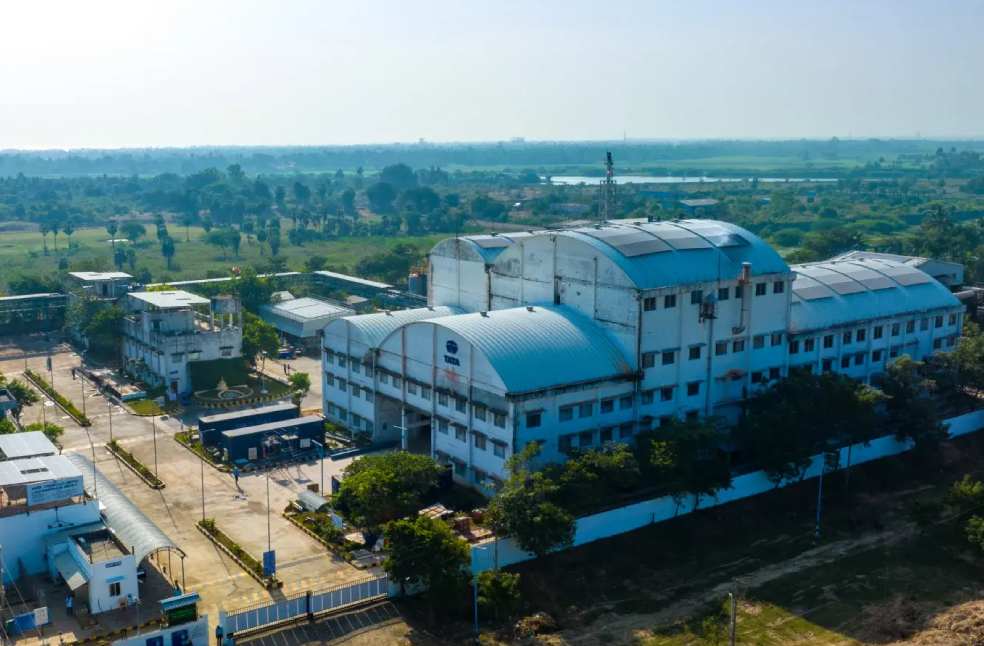
Tata Chemicals said that since acquiring the Magadi operation in 2005 from the UK-based Brunner Mond Group, it has played an important role in Kenya’s economy and remains an integral part of its business.
The company extracts trona from Lake Magadi and processes it into soda ash, or sodium carbonate, which is widely used in glass manufacturing, detergents, chemicals, water treatment, textiles and paper production.
Tata Chemicals Magadi exports more than 350,000 tonnes of soda ash annually to markets including India, Southeast Asia, the Middle East and other African countries. Its 2024 accounts reported around 245,000 tonnes of soda ash sales and turnover of $78.7 million.
The company employs approximately 500 people and says its community initiatives benefit around 30,000 residents in the Magadi area through programmes covering water, healthcare, education and infrastructure.
Kenya is the world’s fourth-largest producer of natural soda ash, accounting for about 1 percent of global production, according to the US Geological Survey.
The mining operation at Lake Magadi has a history dating back more than a century. Its origins can be traced to 1911, while a major mining lease was signed with the Kenyan government in 1928. The latest dispute between Tata Chemicals and the Kenyan government could now determine the future ownership and operation of one of the country’s most significant soda ash production facilities.
POPULAR | World enters ‘Danger Zone’ as super El Niño threatens extreme weather
