


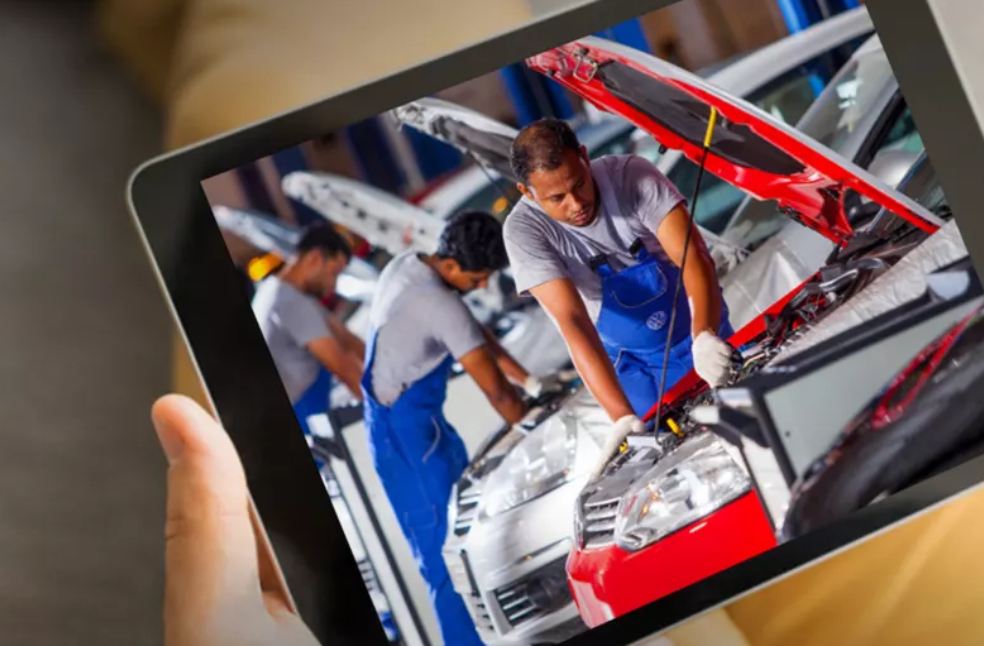
Germany: German automotive giant Volkswagen Group has approved plans to eliminate another 50,000 jobs as part of a major restructuring programme to restore the company’s competitiveness.
The latest cuts will bring the total number of positions Volkswagen plans to reduce by 2030 to around 100,000, marking the biggest workforce restructuring in the company’s nearly 90-year history. Volkswagen had announced in March that it planned to cut 50,000 jobs by the end of the decade. Chief Executive Oliver Blume said the additional measures represent a ‘strong signal’ for the future of the company and reflect its responsibility towards its workforce.
The carmaker has been facing significant pressure from declining profits, weaker sales and intensifying competition, particularly from Chinese electric vehicle manufacturers.
As part of the turnaround strategy, Volkswagen plans to focus on its most competitive vehicle models and increase production volumes for selected models. The company said the approach will help simplify operations and reduce costs.
Volkswagen said a ‘fundamental adjustment’ of its global workforce is necessary to respond to changing customer demand and rapid technological developments. Around 50,000 positions, including management roles, are expected to be affected by the latest workforce adjustment.
The company is also reviewing the future of several German manufacturing plants, including facilities in Emden, Zwickau, Hanover and Neckarsulm, where production capacity currently exceeds demand. Volkswagen said alternative uses for the sites are being considered.
As of 2025, Volkswagen Group employed more than 660,000 people worldwide. The group owns a wide range of brands, including Audi, Porsche, Skoda, Seat, Bentley and Lamborghini.
Volkswagen’s challenges have been particularly pronounced in China, where sales have declined as domestic manufacturers rapidly expand their market share. Chinese automakers such as BYD have strengthened their presence in Europe, the UK and Southeast Asia by offering competitively priced vehicles and newer technologies.
The company has also faced weaker sales in the United States, with import tariffs adding further pressure to its operations. The restructuring comes as Volkswagen seeks to lower costs, streamline production and strengthen its position in an increasingly competitive global automotive market.
POPULAR | World enters ‘Danger Zone’ as super El Niño threatens extreme weather
