


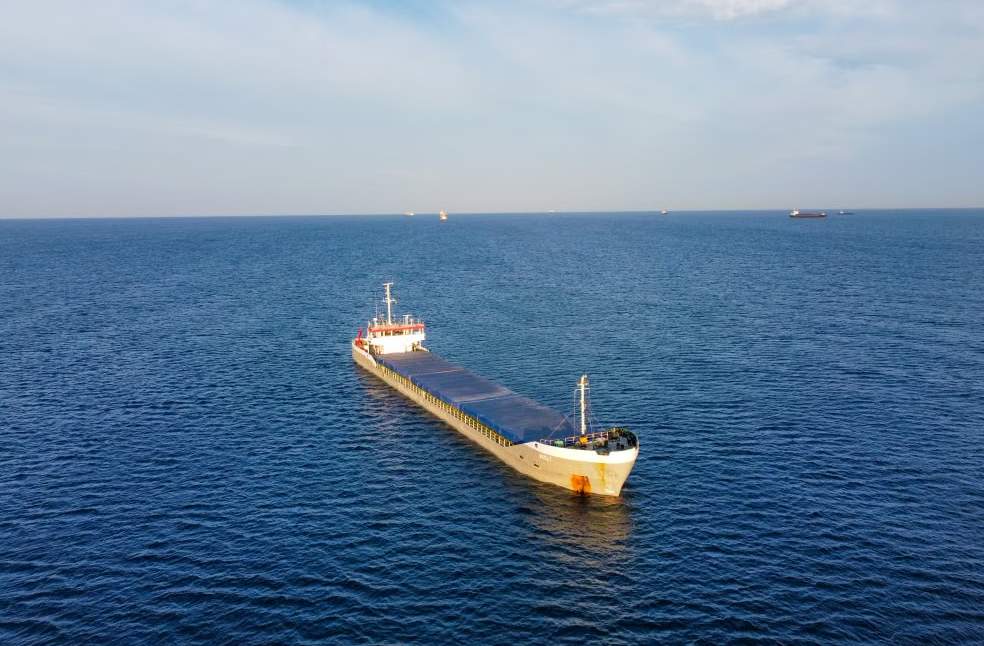
Singapore: Only seven commodity ships passed through the Strait of Hormuz on August 20, half the previous day’s total, according to data from ship tracker Kpler, as uncertainty over Middle East shipping risks continued amid stalled US-Iran peace talks.
Of the seven vessels, four entered the strategic waterway and three exited. The Strait of Hormuz was previously used for nearly one-fifth of global crude oil and liquefied natural gas shipments, making the sharp decline in traffic significant for global energy markets.
None of the vessels recorded by Kpler were very large crude carriers or liquefied natural gas tankers. However, one very large gas carrier carrying propane and butane passed out of the Strait of Hormuz through the Iranian route.
The decline in traffic comes as concerns remain elevated over the safety of commercial shipping in the region. The Strait of Hormuz connects the Persian Gulf with the Gulf of Oman and is one of the world’s most important routes for oil and gas shipments.
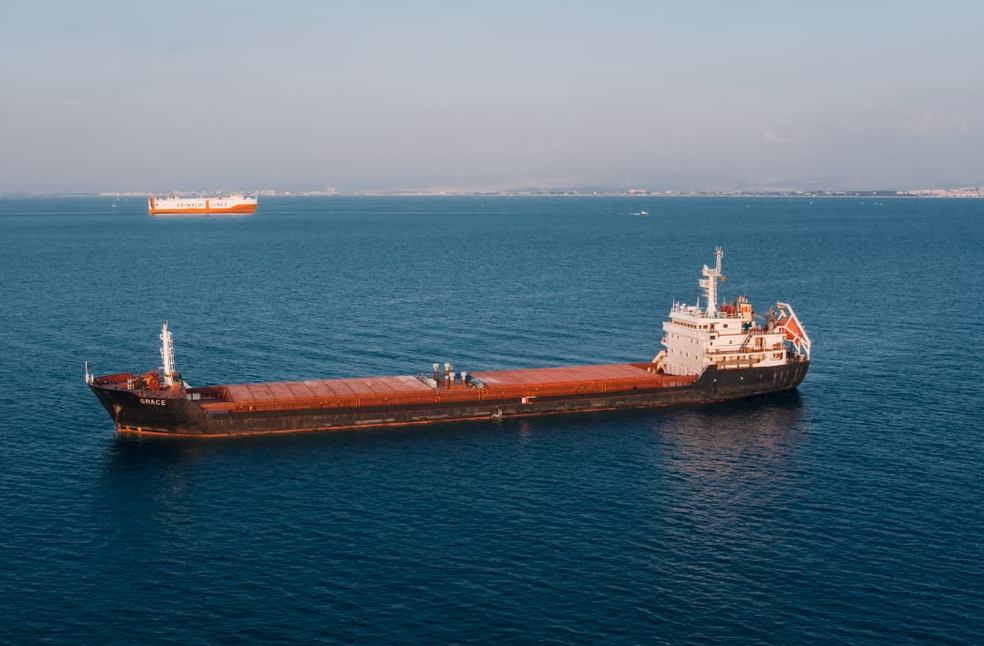
Shipping activity also slowed slightly through the Bab el-Mandeb Strait, another key maritime route linking the Red Sea with the Gulf of Aden. Kpler data showed that 23 commodity ships transited the waterway on Thursday, compared with 34 on each of the previous two days.
Of the 23 vessels passing through Bab el-Mandeb, 16 entered the waterway and seven exited. Two of the vessels leaving the strait were Suezmax crude oil tankers carrying oil bound for Vietnam and India. No very large crude carriers or liquefied natural gas tankers passed through Bab el-Mandeb on August 20, according to the data.
The latest figures highlight the continuing caution among commercial shipping operators using major waterways in the Middle East. Any prolonged reduction in traffic through Hormuz could have wider implications for global energy supplies because of the waterway’s importance to international oil and gas trade.
Kpler noted that vessels sailing through the waterways with their transponders switched off do not appear in the tracking data, meaning the figures may not capture every vessel movement.
MOST READ | Whale numbers surge in East Greenland as sea ice retreats
