


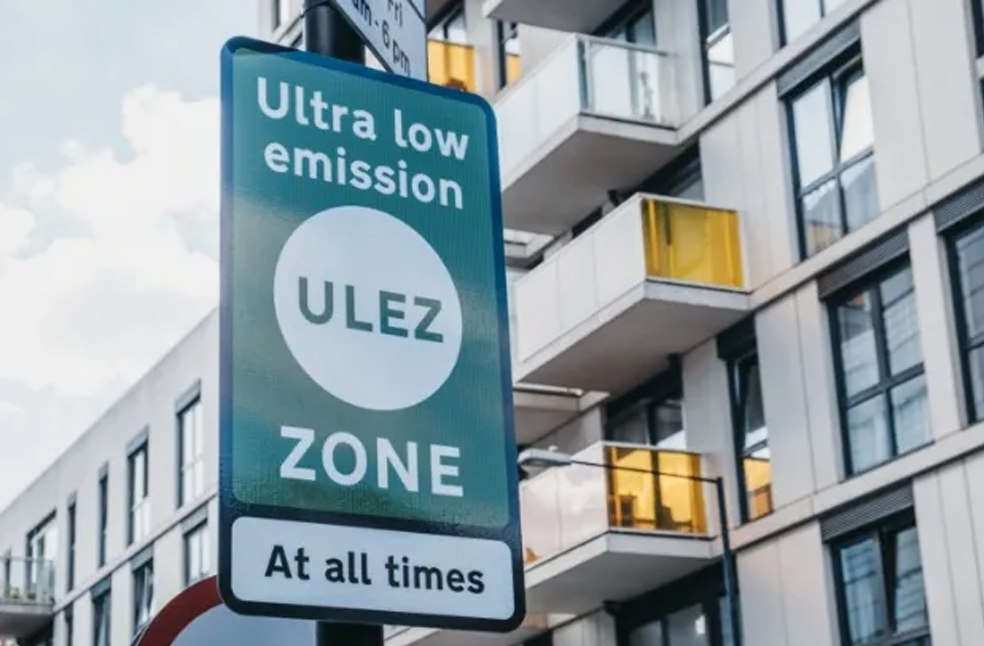
London: London’s Ultra Low Emission Zone (ULEZ) has been associated with improved lung development among children, according to a new study examining the effects of reduced traffic-related air pollution.
The research found that children in London, who had significantly smaller lung capacity than children in Luton before ULEZ was introduced, experienced improvements in lung growth as the scheme was expanded. Over a five-year period, the difference between the two groups narrowed considerably.
Researchers led by scientists from Queen Mary University of London followed more than 3,400 children aged between six and nine, carrying out annual health assessments from 2018 to 2022. The study included pupils from 84 primary schools in London and Luton.
Air pollution stunts children’s lung growth. New Queen Mary research found that improvements in air quality after the introduction of London’s ULEZ are associated with accelerated lung growth in children.
Read more: https://t.co/tXhRaebcc9 pic.twitter.com/pMPKaXv9Xz
— Queen Mary University of London (@QMUL) August 19, 2026
The researchers found that improvements in the children’s lung development were closely associated with better air quality. Exposure to nitrogen dioxide, a major pollutant linked to vehicle emissions, declined more rapidly among London children following the introduction and expansion of ULEZ.
The children’s lung function was assessed using forced expiratory volume in one second, or FEV1, which measures the amount of air a person can forcefully breathe out in one second. London children recorded an average annual increase of 10ml in FEV1 compared with those in Luton as their exposure to air pollution fell.
The proportion of children with clinically impaired lung function also decreased more substantially in London, falling from 14 percent to 9 percent. In Luton, the figure dropped from 9% to 7% during the same period.
Chris Griffiths, a joint senior author of the study and professor at Oxford and Queen Mary, said the findings provide strong evidence that reducing traffic pollution can help prevent harm to children’s health and development. He said ambitious clean-air zones should be considered a priority for cities worldwide facing high levels of traffic-related pollution.
ULEZ was first introduced in London in 2019 before being expanded to the area within the North and South Circular roads in 2021. In 2023, it was extended across the capital.
The scheme has faced opposition from some motorists and communities, particularly concerns that the daily charge of £12.50 places an unfair financial burden on people who cannot afford newer, less-polluting vehicles. Some ULEZ enforcement cameras were also vandalised following its expansion.
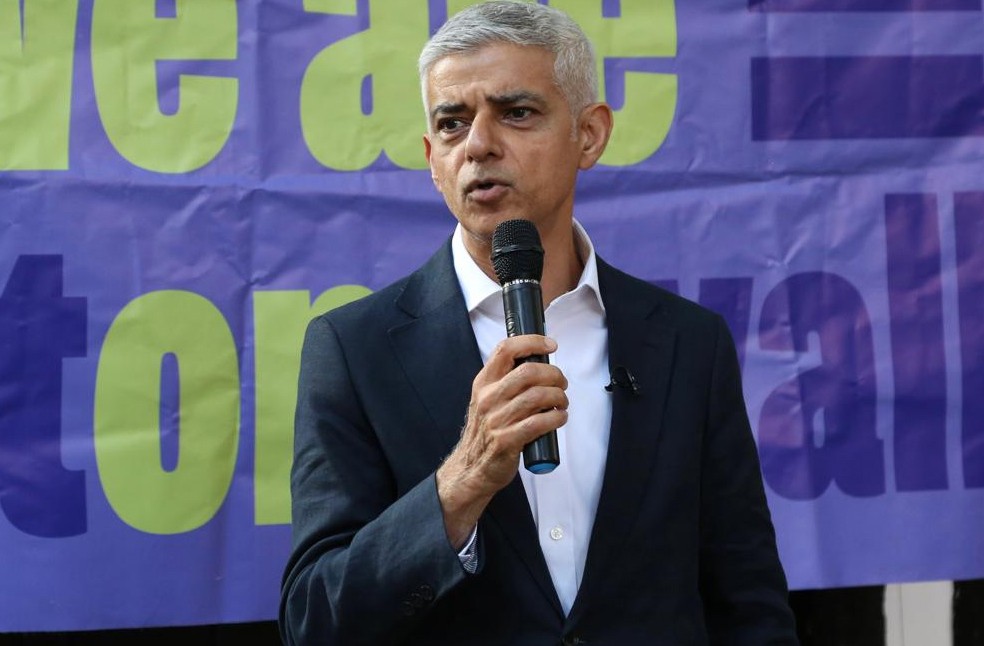
London Mayor Sir Sadiq Khan welcomed the findings, saying the research supported the decision to introduce and expand the scheme. The Mayor argued that cleaner air should be available to children across London and added that action was necessary to address the health effects of air pollution.
Researchers noted that lung development during childhood is important for long-term health. Children whose lungs fail to reach their full potential by early adulthood may face a higher risk of asthma, cardiovascular and metabolic diseases, as well as premature death later in life.
The study, published in The Lancet Public Health, adds to evidence examining the potential health effects of policies designed to reduce vehicle emissions and improve urban air quality.
MOST READ | Extreme heat poses growing health threat to older adults
