


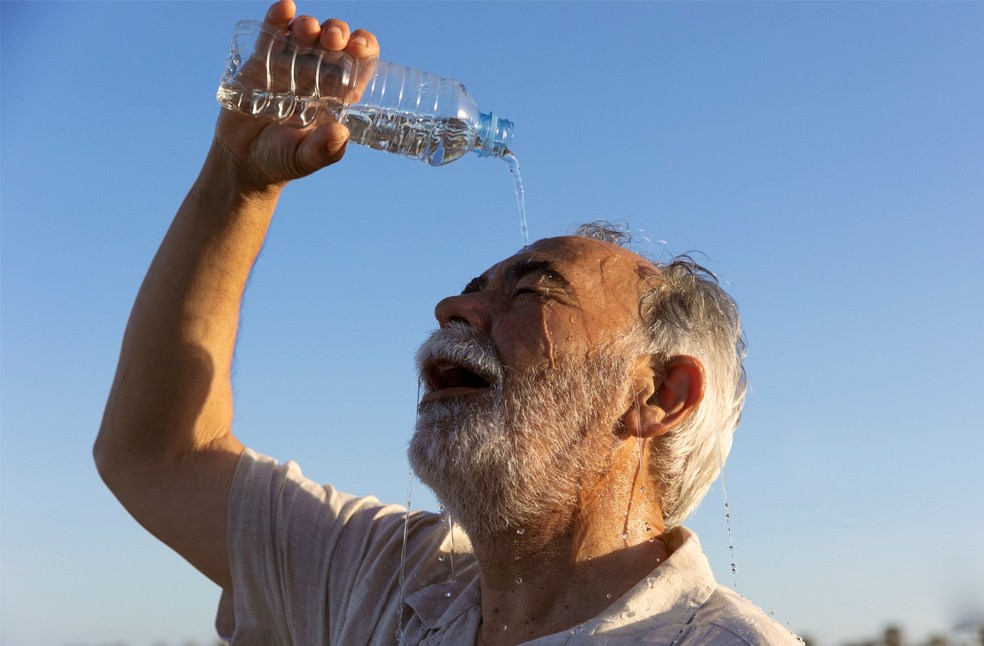
London: People aged 60 and above may face serious health risks from extreme heat at temperatures lower than previously understood, according to new research published in The Lancet Public Health.
The study warns that older adults are likely to be among those most affected as heatwaves become more frequent and prolonged due to rising global temperatures.
Researchers say increasing exposure to extreme heat could leave millions of people experiencing uncompensable heat stress (UHS), a condition in which the body can no longer effectively cool itself, potentially leading to severe illness or death.
Researchers from Stanford University and other institutions found that previous assessments may have underestimated the vulnerability of older adults by applying heat-stress thresholds developed for younger people across all age groups.
Analysis on ageing population
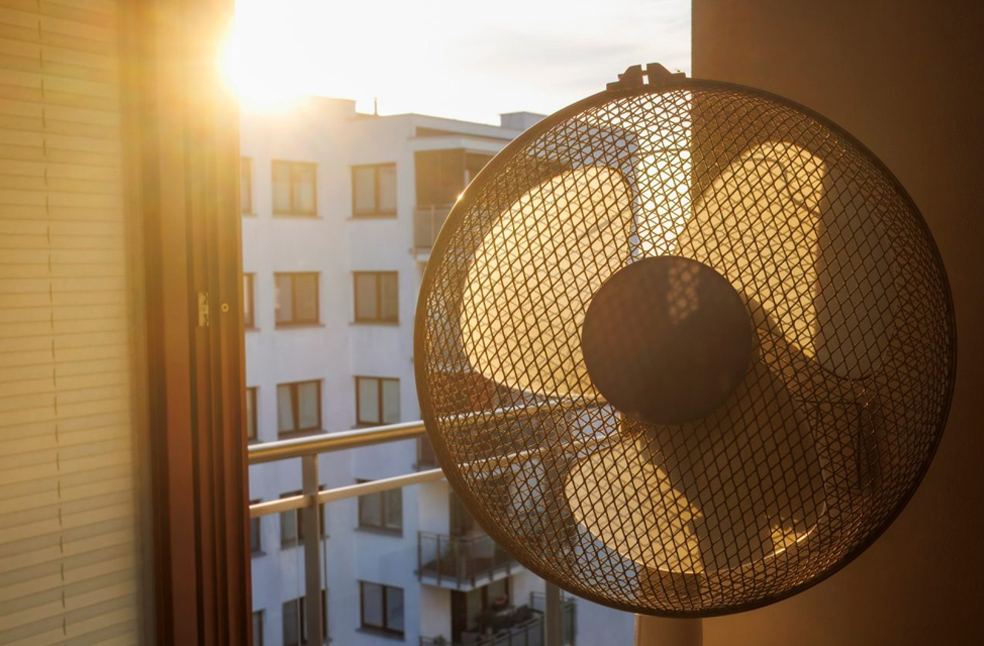
The new analysis examined differences among people aged 15-39, 40-59 and 60 and older, highlighting the greater risks faced by ageing populations. Older adults are particularly vulnerable because their bodies become less efficient at regulating temperature.
They generally sweat less, their hearts face greater strain in hot conditions, and their blood vessels have a reduced ability to widen, making it harder to release excess heat. The researchers also point to the combined effects of climate change and population ageing.
The global population aged 60 and above is expected to reach 2.1 billion by 2050, roughly double its current size. This means substantially more people could face heat-related health problems, particularly in low- and middle-income countries such as India and Pakistan.
The study found that older adults could experience harmful and potentially fatal heat stress at around 1.5°C of warming above pre-industrial levels, compared with about 4°C for younger adults.

It also estimates that every additional degree of global warming could expose around one million more people to at least 180 hours of UHS each year, with older adults carrying a disproportionate share of the burden.
Health experts warned that extreme heat can worsen existing conditions commonly seen among older people, including heart and kidney diseases. Heatwaves can also lead to dehydration, collapse and increased hospital admissions, placing additional pressure on healthcare systems.
Researchers cautioned that continued warming could make parts of tropical and subtropical regions increasingly difficult to inhabit, particularly for older populations.
The findings underline the need for stronger heat-health preparedness, targeted protection for vulnerable groups and measures to reduce exposure as global temperatures continue to rise.
ALSO READ | Ferrari’s electric Luce sells for record $40m at charity auction
