


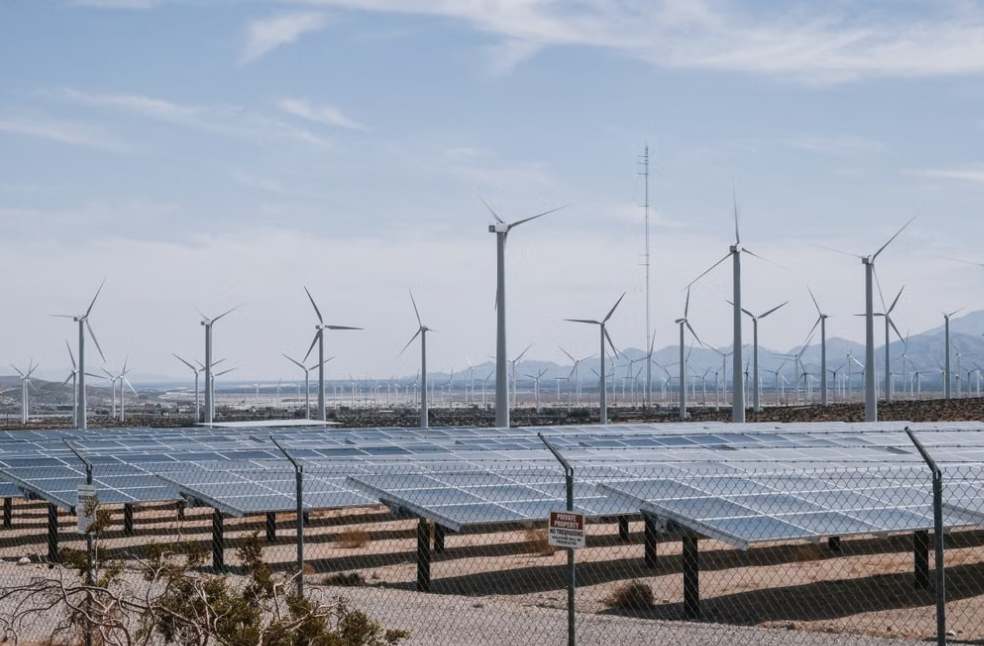
Beijing: China rejected enough clean energy to power Mexico for a year during the first six months of 2026 as electricity grids struggled to absorb the country’s rapidly expanding renewable power generation.
The world’s largest producer of solar power turned away an estimated 360 terawatt-hours of clean electricity between January and June, according to a report from Global Energy Monitor and the Center for Research on Energy and Clean Air. The figure was 49 percent higher than during the same period last year.
The rejection of renewable electricity, known as curtailment, occurs when electricity grids cannot absorb additional power from wind and solar installations because transmission networks or other parts of the system have reached capacity.
The growing problem highlights a major challenge facing the global transition to renewable energy. Even as countries rapidly build solar and wind capacity, inadequate grids can leave large amounts of clean electricity unused and increase reliance on fossil fuels.
Analysts say China’s curtailment problem is being driven partly by insufficient transmission infrastructure and contracts that guarantee the operation of newly built coal-fired power plants. These factors can limit the amount of renewable electricity that grids are able to accept.
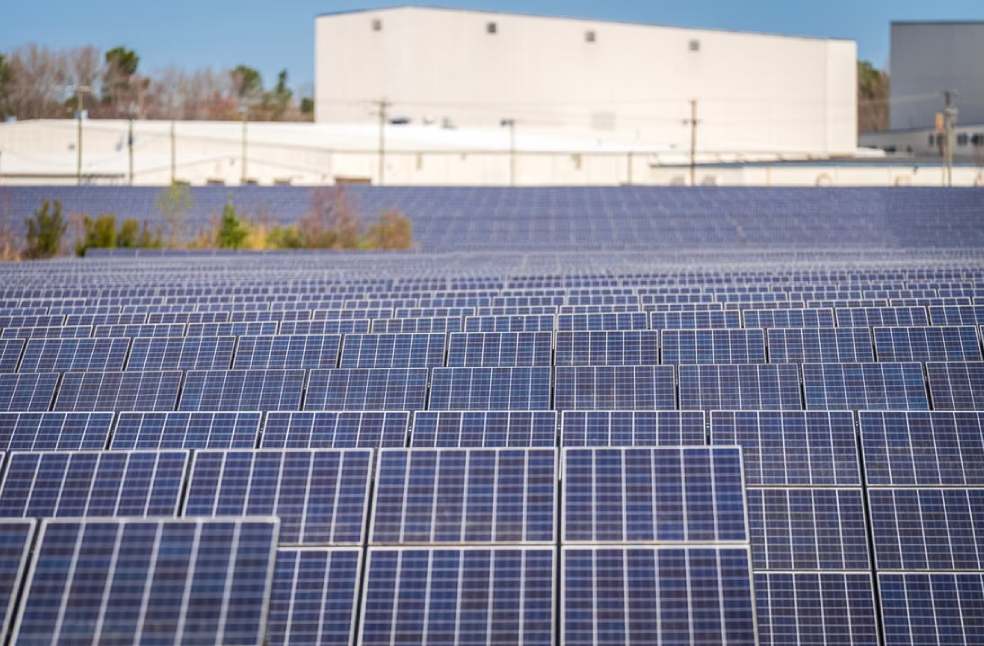
China’s National Energy Administration reported that 8.6 percent of solar output and 9.1 percent of wind output was curtailed during the first half of 2026. However, the Global Energy Monitor and CREA estimate was considerably higher, at 26.1 percent of total wind and solar generation, after adjusting for weather conditions and potentially unreported curtailment.
China’s worsening grid constraints are also affecting investment decisions. Analysts say it is becoming more difficult for developers to assess whether new renewable projects will remain financially viable if a significant portion of their electricity cannot be sold.
Some investors are therefore shifting away from standalone solar projects towards solar-plus-storage systems, which can store excess electricity and release it when demand is higher or grid conditions are more favourable.
India, the world’s third-largest solar power producer, also recorded significant curtailment. The country’s renewable energy minister said 8.13 terawatt-hours of solar power was curtailed in the three months through June, representing around 14 percent of solar output.
The figures underline a growing challenge for countries seeking to expand renewable energy: building more wind and solar capacity alone is not enough. Electricity networks, transmission infrastructure and storage systems must also expand rapidly enough to handle the additional generation.
POPULAR | Bangladesh script historic Test win over Australia in Darwin
