


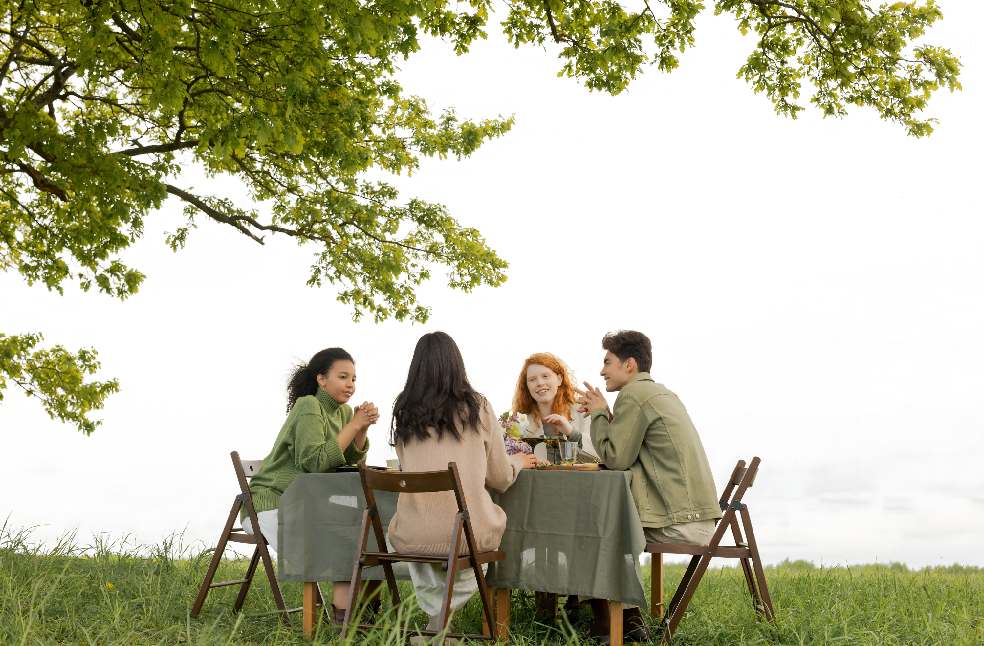
A dining table is one of the most ordinary objects in a home. It is where families eat, children study, guests gather and conversations continue long after a meal has finished.
Yet the familiar arrangement of people sitting around a table is not as old or universal as it may seem. Across history, people have eaten while reclining, sitting on the floor, using individual trays or gathering around low tables.
The dining table has changed alongside homes, family structures, social customs and ideas about hospitality. Its history is therefore not simply about furniture. It is also about how people have chosen to come together.
Dining before modern table
Ancient societies used tables, but they were not always designed for people to sit around in the way families do today. Ancient Rome offers a particularly interesting example. Wealthy Romans often held formal meals in a room called a triclinium. Instead of sitting upright on chairs, diners reclined on couches arranged around three sides of a room, with a table placed in the centre.

According to the Metropolitan Museum of Art’s research on the Roman banquet, the triclinium was an important reception space in wealthy Roman homes. The arrangement allowed diners to access food and drink while also creating a setting for conversation, entertainment and social display.
Roman banquets could be elaborate affairs. Expensive food, decorative tableware and entertainment were used to impress guests, meaning the dining environment could also reflect the wealth and social position of the host.
When meals became social occasions
The dining space has long been connected with status. For wealthy households, the table, dishes, serving vessels and food could all contribute to the experience of entertaining guests. Precious materials and elaborate designs turned dining equipment into objects that could be displayed as much as used.
But dining traditions were never the same everywhere. In many cultures, people traditionally ate at floor level or used individual serving arrangements rather than a Western-style dining table. This remains visible in different forms of traditional dining across Asia, including India and Japan.
Japan’s changing dining culture
Japan provides a particularly clear example of how changes in dining furniture can influence family life. According to research published in the International Journal of Asian Studies, Japanese households moved from individual box-shaped dining tables, known as meimei-zen, toward the low chabudai table during the 1920s. From the 1950s, Western-style dining tables with chairs became increasingly common across the country.

The change was more than a change in furniture. The researchers describe how the chabudai helped create greater opportunities for family members to share a convivial space during meals. Later, the dining table and chairs became increasingly associated with this shared family experience.
How the family table became familiar
The modern dining table gradually became associated with the idea of the family meal. Unlike individual eating arrangements, a shared table creates a central space where food can be placed for everyone. Dishes can be passed around, people can serve themselves and conversation can continue between different members of the group.
The table therefore became a social centre inside the home. This idea eventually became particularly strong in many modern households, where the dining table came to represent family time, hospitality and togetherness.
From dining rooms to everyday spaces
As homes changed, so did the role of the dining table. For centuries, large households and wealthy families could have dedicated spaces for formal meals. In many modern homes, however, the dining area has become part of a shared kitchen or living space.
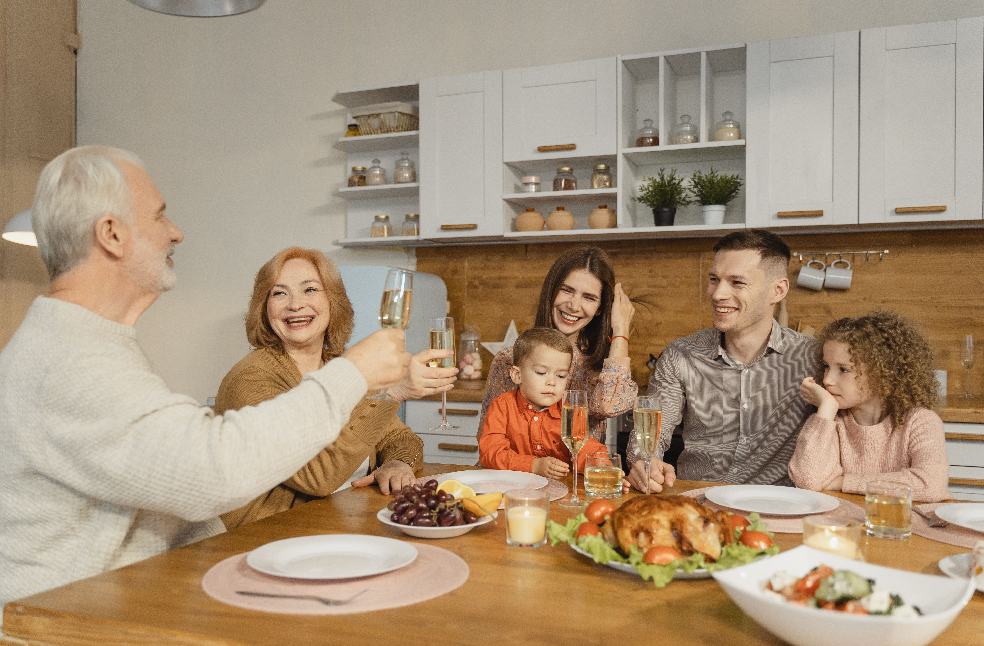
The table itself has also become multifunctional. It can be a place for breakfast in the morning, a work desk during the day, a children’s study area in the evening and a dinner table at night. Smaller homes have encouraged compact, extendable and folding designs, allowing the same piece of furniture to serve several purposes. The dining table has adapted because the home around it has changed.
Why table shape still matters
The shape of a table can influence how people interact. Rectangular tables are practical for larger groups and make efficient use of space. They also create a clear central area where dishes can be placed.
Round tables create a different atmosphere because there is no obvious head or end. Everyone sits around the same continuous edge, making it easier to see and speak with one another. These differences may seem small, but they show that furniture can influence the way people experience a meal.
From home to public life
The dining table also became an important part of life outside the home. Restaurants, cafés and hotels created new spaces for people to eat with family, friends, colleagues or even strangers. A small table for two offers a very different experience from a large communal table shared by several people.
The table can therefore shape the atmosphere of a meal before the food even arrives. In formal restaurants, it can signal an important occasion. In cafés, a small dining table can become a place to work, meet someone or simply spend time alone.
WE RECOMMEND | How blue light from screens disrupts sleep and eye health
