


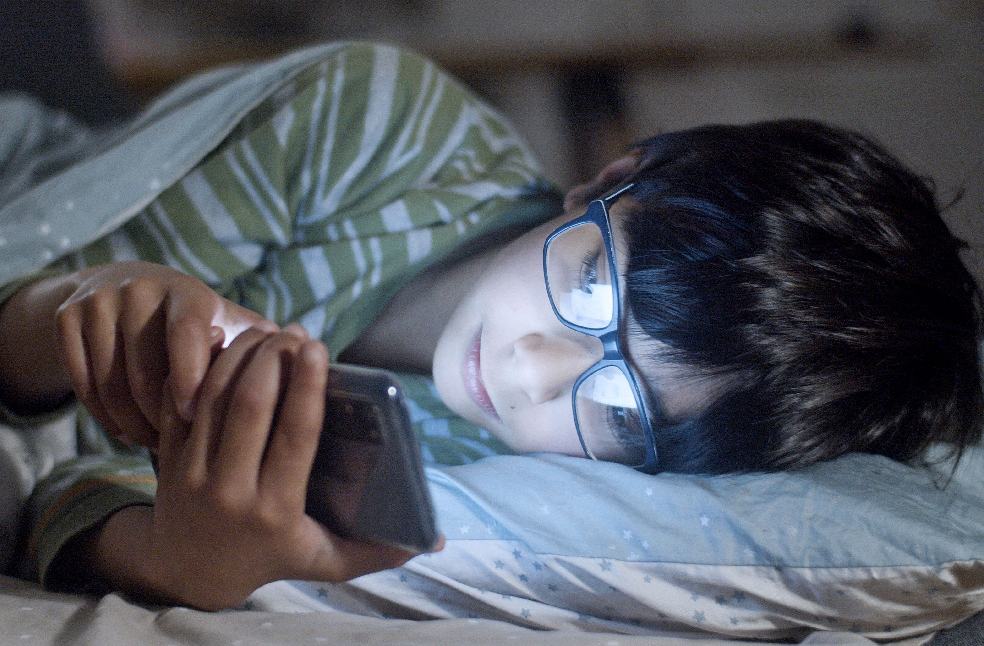
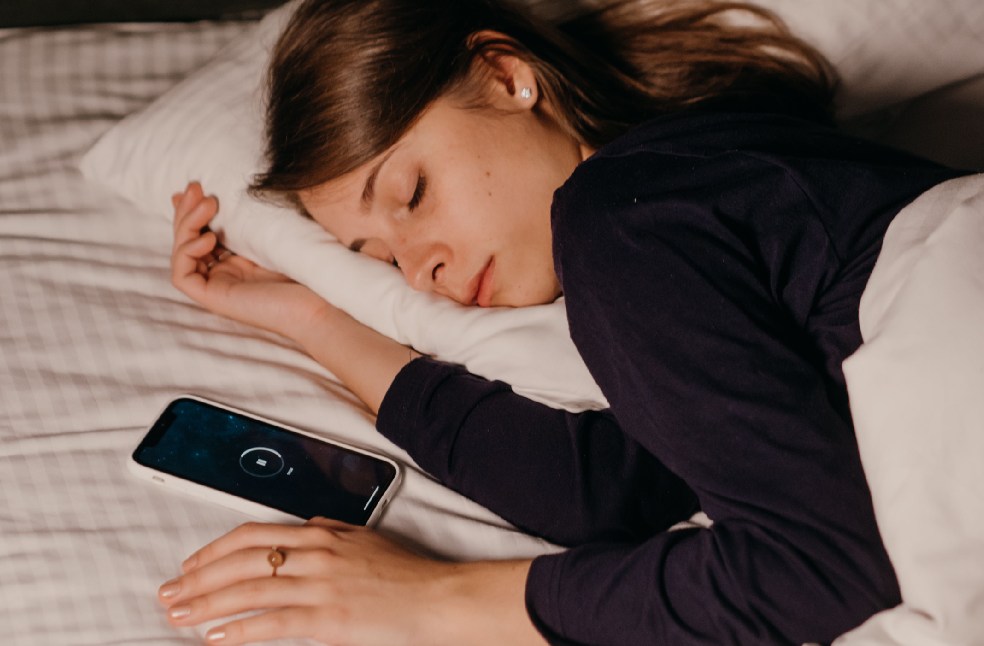
For many people, checking a phone before bed has become part of their nightly routine. Whether it is replying to messages, watching videos, or scrolling through social media, screen use often continues until the moment people fall asleep.
However, experts say the light coming from digital devices, particularly blue light, can influence the body’s natural sleep cycle and contribute to eye discomfort. While screens are not the only cause of sleep problems or vision issues, understanding how blue light works can help people develop healthier habits.
What is blue light, and why does it matter?
Blue light is a high-energy wavelength of visible light that comes from sunlight as well as artificial sources such as smartphones, tablets, computers, and LED bulbs.
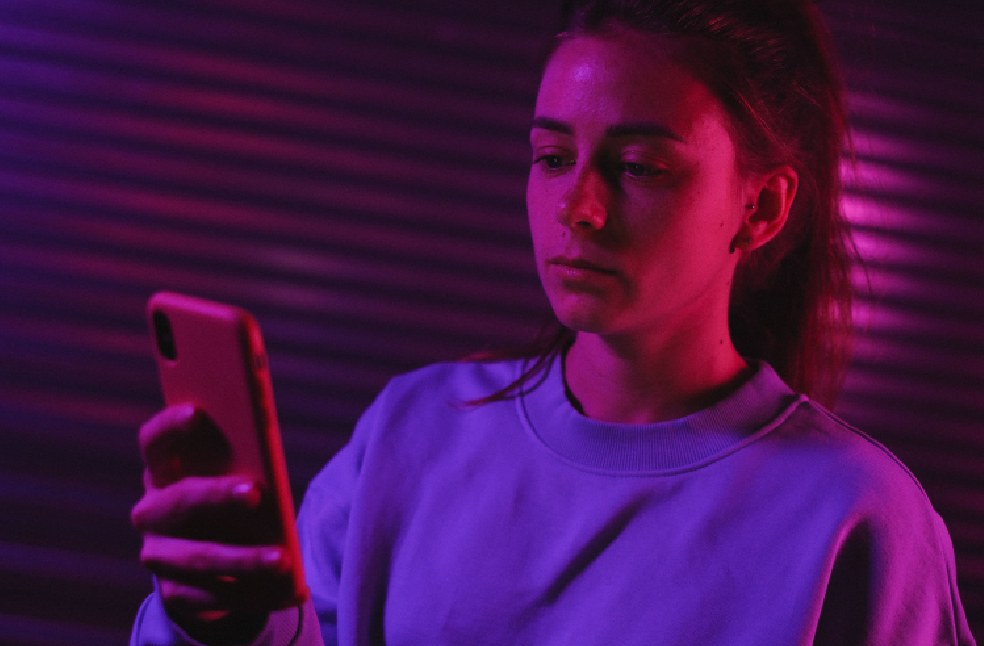
During daylight hours, blue light plays an important role in regulating the circadian rhythm, the body’s natural 24-hour cycle that controls sleep and wake patterns. It helps people feel awake, focused, and active. The problem occurs when exposure continues into the evening.
Research from the National Institutes of Health (NIH) on blue light and circadian rhythms explains that blue light exposure can suppress melatonin production. Melatonin is a hormone that helps signal to the body that it is time to sleep.
As a result, using bright screens close to bedtime may make it harder for some people to fall asleep or maintain a regular sleep pattern.
How screens affect sleep
The modern lifestyle has significantly increased evening screen exposure. Many people spend hours on phones, laptops, and televisions after sunset, extending their exposure to artificial light.
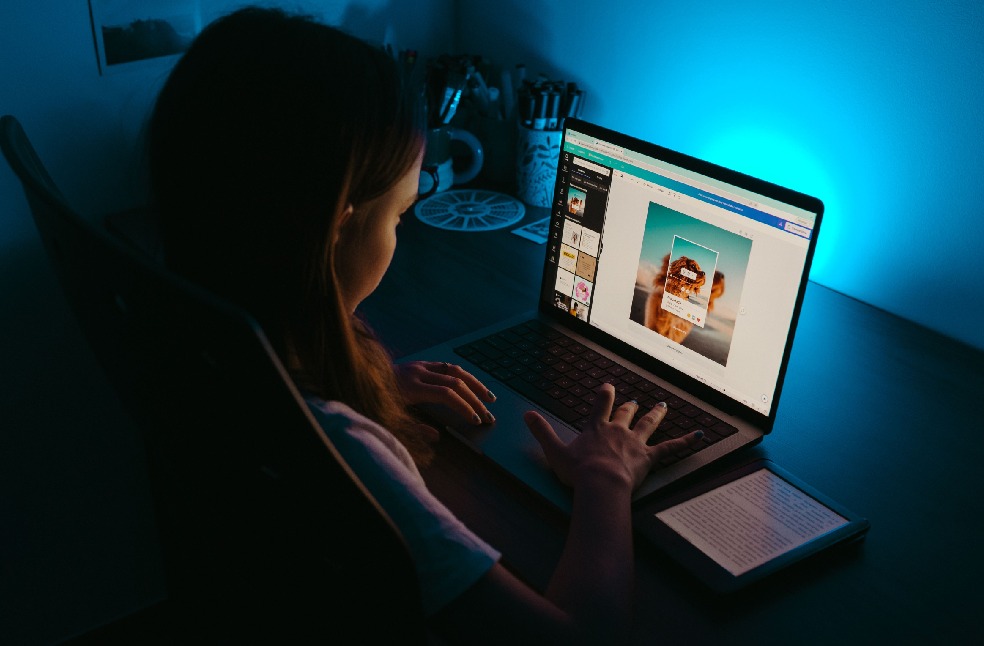
When the brain receives light signals at night, it may delay the natural process of preparing for sleep. This can affect:
- The time it takes to fall asleep
- Sleep quality
- Morning alertness
- Overall energy levels
Young people are particularly affected because smartphones and tablets have become closely connected with education, entertainment, and communication. Children and teenagers may be more sensitive to sleep disruption because their eyes allow more light to reach the retina compared with adults.
The Centers for Disease Control and Prevention (CDC) sleep guidance highlights the importance of healthy sleep habits, including creating an environment that supports consistent and quality rest.
Can blue light damage your eyes?
People who spend several hours daily on digital devices may experience temporary discomfort, including tired eyes, dryness, and difficulty maintaining focus. One of the most common concerns about screen use is whether blue light causes permanent eye damage.
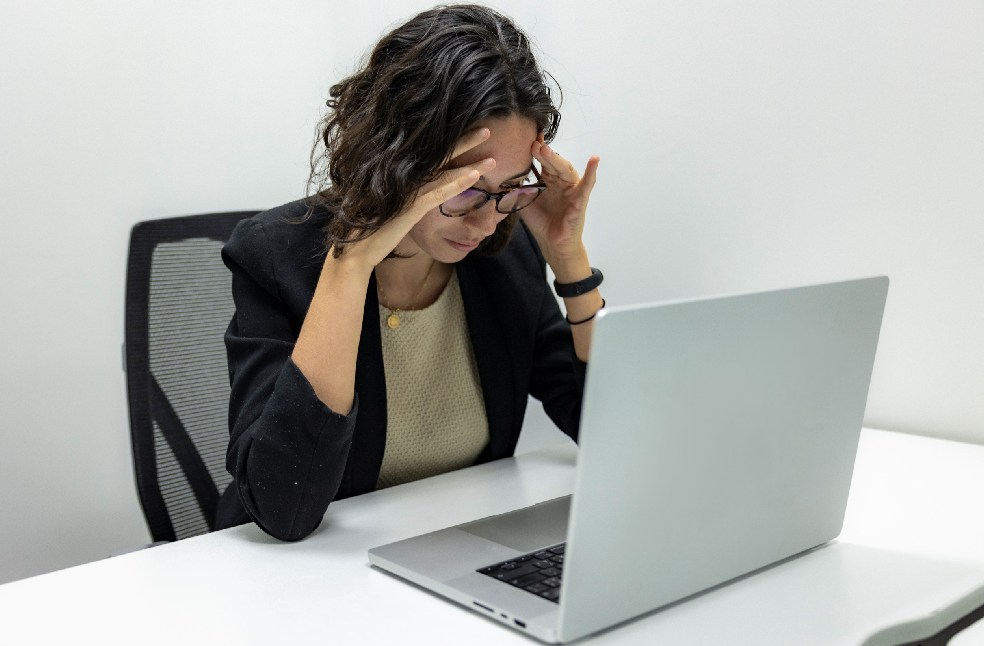
Prolonged screen use is strongly associated with digital eye strain, a condition caused by extended periods of focusing on digital displays. The issue is often linked not only to blue light but also to reduced blinking, poor posture, screen brightness, and spending long periods without breaks.
Common symptoms include:
- Dry eyes
- Blurred vision
- Eye irritation
- Headaches
- Difficulty focusing
- Neck and shoulder discomfort
According to the American Optometric Association guidance on computer vision syndrome, digital eye strain can affect people who spend significant amounts of time using computers, smartphones, and other digital devices.
Do screen distance and brightness matter?
The way people use their devices can influence eye comfort. Holding a phone too close, using extremely bright screens in dark rooms, or working for long periods without breaks can increase discomfort.
Experts recommend simple adjustments, including:
- Keeping screens at a comfortable viewing distance
- Adjusting brightness according to surroundings
- Increasing text size to reduce eye strain
- Avoiding screen glare
- Taking regular breaks
A commonly recommended habit is the 20-20-20 rule: every 20 minutes, look at something around 20 feet away for at least 20 seconds.
Are blue light filters actually useful?
Many smartphones and computers now include night modes or blue light reduction settings. These features adjust screen colours by reducing blue light emissions, especially during evening hours. While these settings may make screens more comfortable to view at night, experts say they should not be considered a complete solution.
Reducing screen brightness, limiting late-night device use, and maintaining a regular sleep routine remain important factors in supporting better rest. Blue light-blocking glasses have also gained popularity, although research on their effectiveness in improving sleep or reducing eye strain remains mixed.
Who is most affected by screen exposure?
Although anyone can experience the effects of prolonged screen use, some groups may face greater exposure. Extended screen time in work environments, online learning settings, and frequent late-night device usage can increase overall exposure levels.
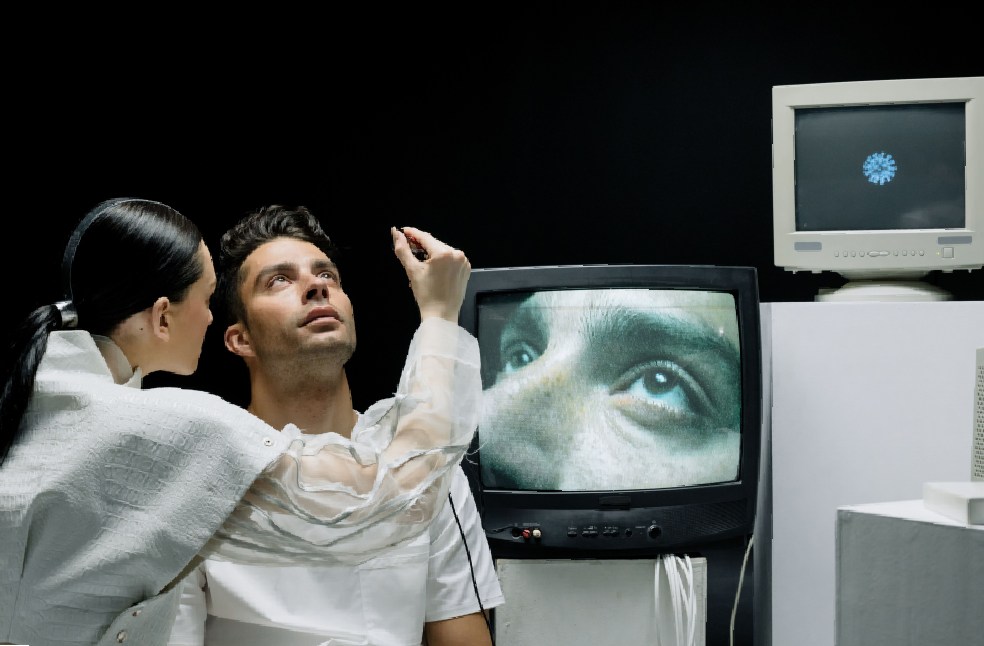
- Office workers: People who spend long hours working on computers may experience frequent eye strain and discomfort.
- Students: Online learning, digital assignments, and entertainment increase daily screen time among young people.
- Children and teenagers: Growing dependence on digital devices has raised concerns about sleep patterns and healthy technology habits.
- Night-time device users: People who regularly use phones or tablets before sleeping may experience greater disruption to their natural sleep cycle.
How to protect sleep and eye health
Reducing the effects of blue light does not mean avoiding technology completely. Maintaining balanced screen habits can help support both eye comfort and a healthier sleep routine.

Helpful habits include:
- Avoiding screens shortly before bedtime
- Using warmer screen settings at night
- Taking regular breaks during long screen sessions
- Spending time outdoors during daylight
- Maintaining proper screen distance
- Keeping a consistent sleep schedule
Small changes can make a significant difference, especially for people who spend most of their day surrounded by digital devices.
Essential reminders
Blue light is not harmful by itself.
Natural blue light from the sun plays an important role in maintaining alertness and regulating the body’s internal clock. The concern comes from excessive exposure at the wrong time, particularly prolonged screen use during evening hours.
Understanding how blue light affects sleep and eye comfort can help people make smarter choices without giving up the technology that has become part of everyday life. In the end, the goal is not to avoid screens completely, but to use them in a way that supports healthier sleep habits and better eye care.
YOU MAY LIKE | Urban Gardening: How to grow fresh food in small spaces
