


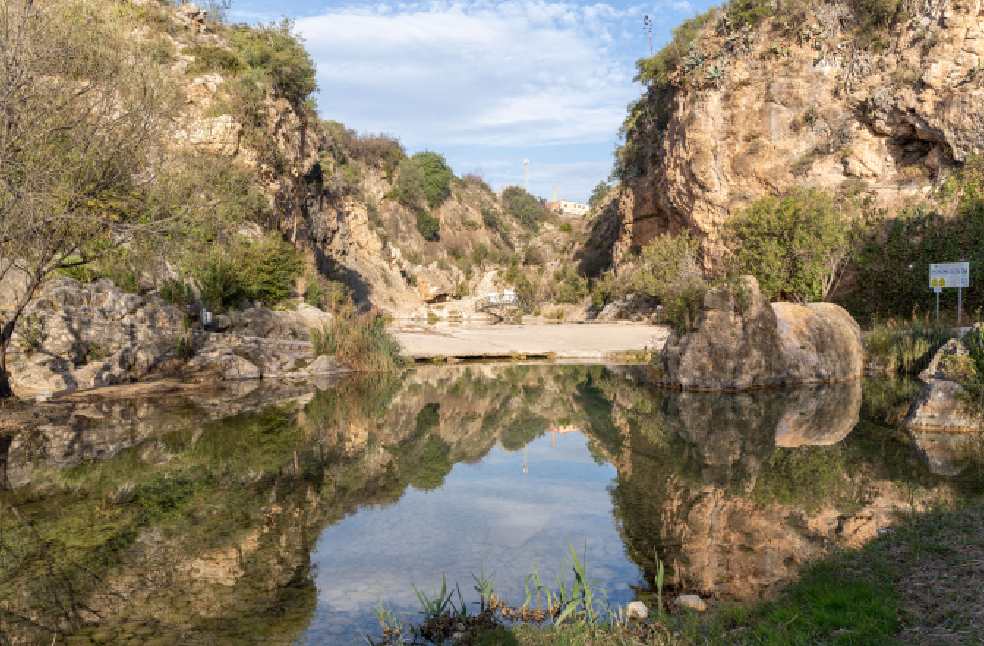
West Bank: Israeli settlers have diverted a spring to fill a pool at an archaeological site, cutting off a vital water source used by Palestinian farmers for generations.
The spring has served as an important source for the nearby Palestinian village of Fasayil in the Jordan Valley. Residents have relied on the water for generations to support agriculture and employment. The source has also helped supplement irregular Israeli supplies reaching domestic taps.
A Palestinian irrigation pipeline connected to the spring was seized by Israeli settlers in June. The water was then redirected towards an ancient pool at an archaeological site. The pool has since been promoted as an Israeli tourist attraction. Israel’s far-right Finance Minister Bezalel Smotrich has pledged financial support for the site.
The incident is part of a wider dispute over water access in the West Bank. United Nations data shows that Israeli settlers have attacked at least 160 water and sanitation sites across the Palestinian territory this year.

Smotrich remarked that the expansion is intended to undermine the possibility of a Palestinian state. More than 150 of the 193 United Nations member states recognise a Palestinian state encompassing the Gaza Strip and West Bank including East Jerusalem.
Palestinian field researcher Fares Foqahaa estimated that Israeli settlers have taken control of 95 percent of springs in the northern Jordan Valley. The loss of these water sources contributes to the displacement of Palestinian communities and increased pressure on local residents.
The United Nations and most governments consider Israeli settlements in the West Bank illegal under international law relating to military occupation. Israel disputes the status of the territory and describes the West Bank as disputed rather than occupied.
Meanwhile, Wadi al-Badhan near Nablus remains one of the few natural springs still available to Palestinians. Families were using the streams for picnics in July, enjoying the flowing water and surrounding natural setting near Nablus. The springs had rarely faced settler incursions before this year, but concerns about access have grown as pressure on Palestinian water sources increases.
MOST READ | Nigeria renews efforts to secure declining vulture populations
