


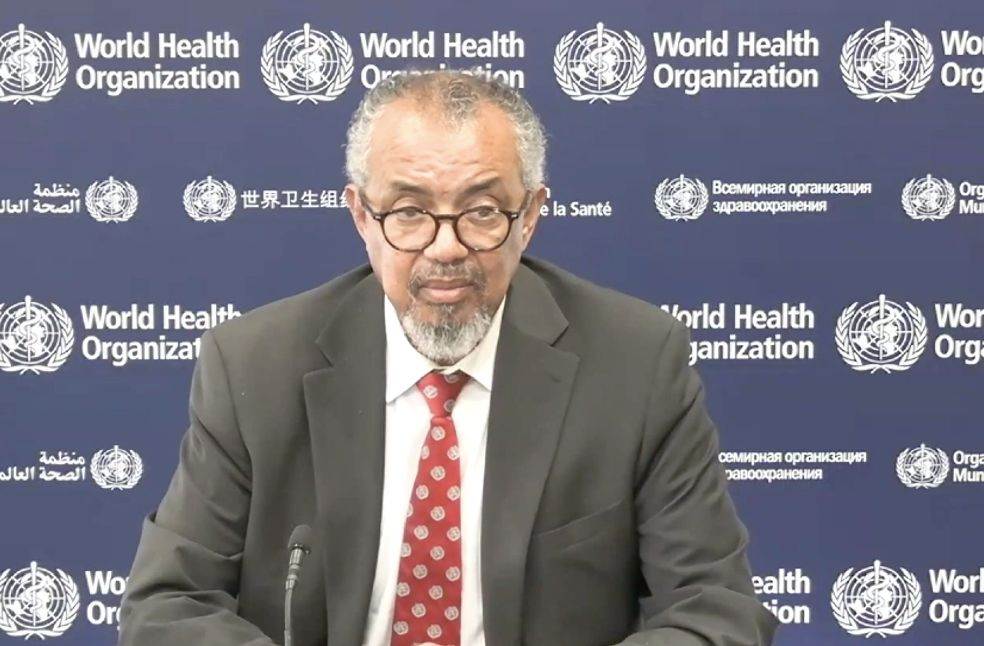
Bunia: The Ebola outbreak in the Democratic Republic of Congo is on track to become the deadliest outbreak of the disease ever recorded, according to World Health Organization Director-General Tedros Adhanom Ghebreyesus.
Tedros said the 2026 outbreak, at its current pace, could surpass the 2014-2016 Ebola epidemic in West Africa, which killed at least 11,000 people.
The current outbreak was officially declared on May 15, but health officials believe the virus began spreading several months earlier. More than 4,300 cases have been reported and the death toll has exceeded 2,000, making the outbreak one of the fastest-spreading Ebola crises recorded.
The WHO said on August 12 that it hopes to bring transmission under control within three months. Officials stressed that this target would mean stopping the rapid spread of the disease rather than completely ending the outbreak.
WHO Africa Director Dr Mohamed Janabi said health authorities were struggling to keep pace with the virus. He said research indicated that transmission began in February and that some early infections were initially mistaken for malaria or typhoid.
The outbreak is being caused by the rare Bundibugyo species of Ebola, which has previously been responsible for only two known outbreaks, in 2007 and 2012. There is currently no approved vaccine or recognised therapeutic drug specifically available to treat the strain.
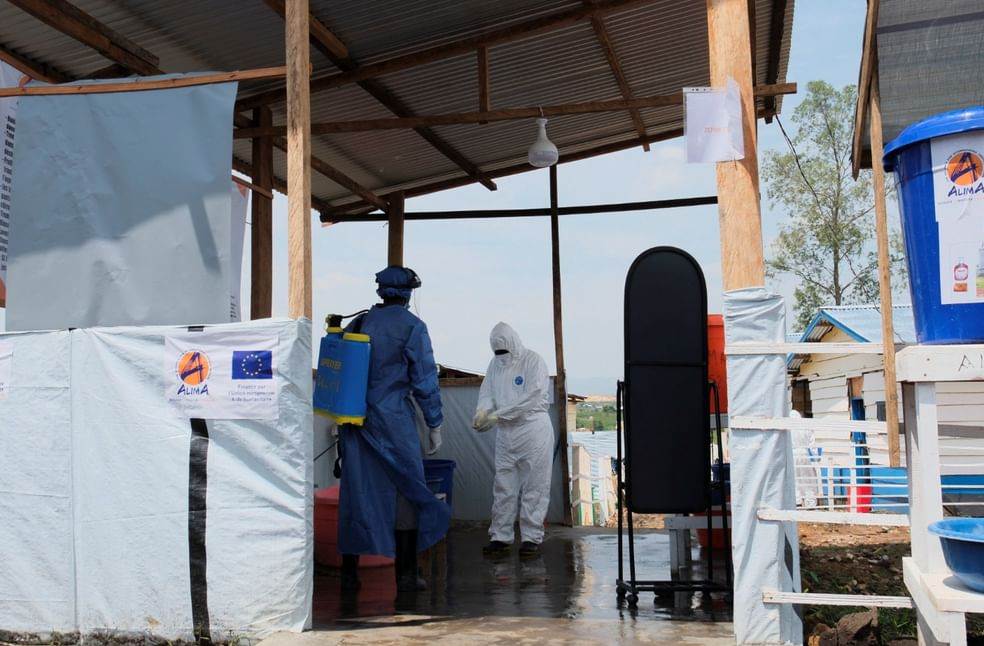
Conflict and instability in eastern DR Congo are making the response more difficult. Janabi said health workers are currently reaching only around 30 percent of cases, leaving a large proportion of infections outside the reach of formal medical and surveillance teams.
Ebola is a rare but highly dangerous viral disease. Symptoms can appear between two and 21 days after infection and may initially resemble flu or malaria, including fever, headache and tiredness. As the illness progresses, patients can develop vomiting, diarrhoea and organ failure.
The virus spreads through direct contact with infected bodily fluids, including blood and vomit, making early detection, isolation and contact tracing critical to controlling transmission.
There is some progress on vaccine development. The UK’s Medicines and Healthcare products Regulatory Agency has authorised the first human trials of a vaccine designed to protect against the Bundibugyo strain.
The vaccine is being developed by researchers at the University of Oxford, using technology similar to that used in the Oxford-AstraZeneca Covid vaccine. Three other groups are also developing potential Bundibugyo vaccines, although they have not yet entered clinical trials.
The WHO is also supporting a separate clinical trial in DR Congo to determine whether two existing antiviral therapies can improve survival among patients infected with the virus.
RELATED POST | Ebola death toll tops 2,000 in DR Congo as outbreak accelerates
