


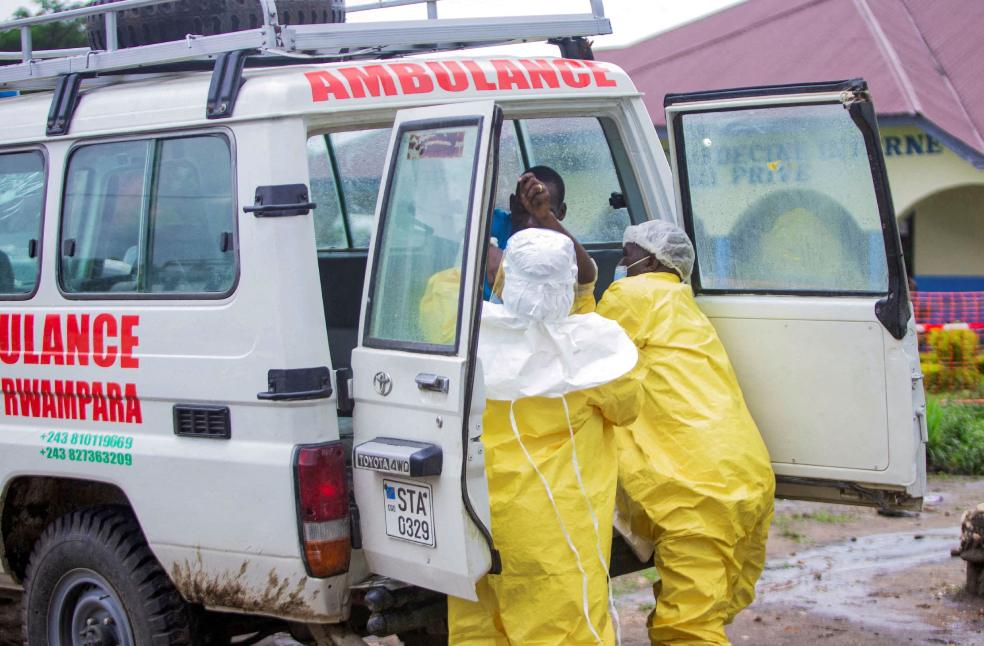
Dakar: The Democratic Republic of Congo’s confirmed Ebola death toll has surpassed 2,000, marking another grim milestone in an outbreak that health officials have described as one of the fastest-spreading Ebola outbreaks on record.
Congo’s public health institute reported 2,011 confirmed deaths and 4,381 confirmed cases across five provinces, according to the latest government data seen by Reuters on August 11. The outbreak is Congo’s 17th Ebola outbreak and is being driven by the Bundibugyo strain of the virus. There are currently no approved vaccines or treatments specifically available for this strain.
The World Health Organization has declared the outbreak a public health emergency of international concern. Cases have also been reported in neighbouring Uganda, adding to concerns about the potential for further regional transmission.
The current outbreak has spread particularly rapidly compared with previous Ebola epidemics. Government data shows that deaths increased from 1,000 to 2,000 in less than a month, highlighting the speed at which the disease is progressing.
By comparison, the major Ebola outbreak in West Africa between 2014 and 2016 took nearly five months after its declaration to reach 1,000 deaths. That epidemic ultimately became the largest Ebola outbreak on record, with 28,616 cases and 11,310 deaths reported across Guinea, Liberia and Sierra Leone.
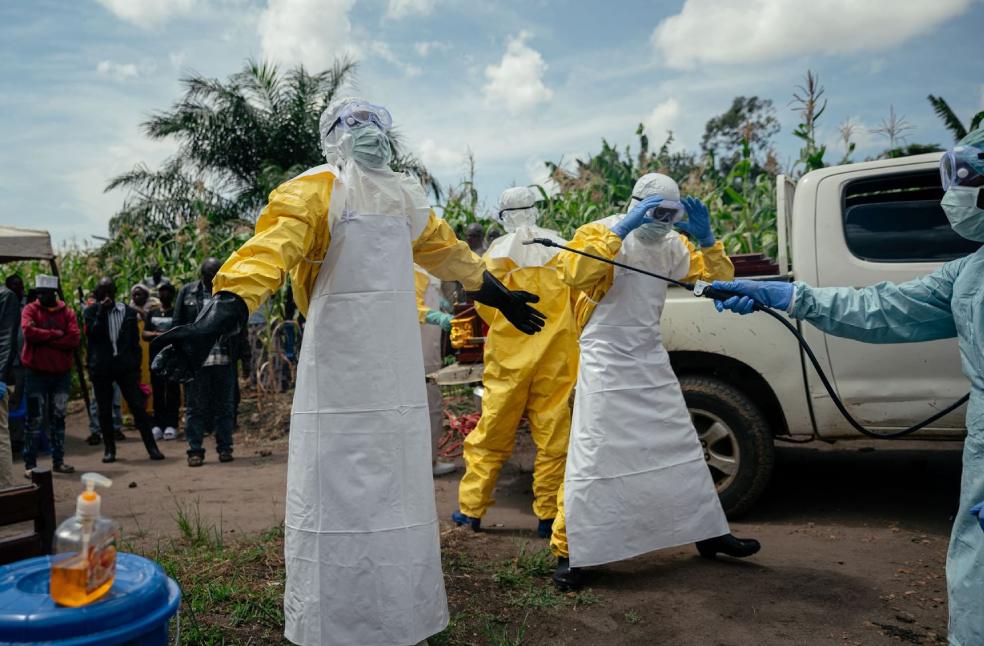
A previous Ebola outbreak in Congo between 2018 and 2020 took slightly more than a year to reach 2,000 deaths. The current outbreak has reached the same grim figure in less than three months.
Researchers have also found evidence suggesting the latest outbreak may have started earlier than initially recognised. A study published in the journal Science last month found that transmission may have begun in January or earlier in Ituri province.
The study identified more than 500 suspected cases between mid-January and May 15, when the outbreak was officially declared. Health authorities face significant challenges in controlling the disease. Shortages of medical supplies and insecurity in affected areas have made it difficult for response teams to trace contacts, isolate infected patients and identify new cases.
The outbreak has also raised concerns about infections occurring outside formal healthcare facilities, making it harder for authorities to determine the full scale of transmission. The rapid increase in deaths has placed additional pressure on health workers and emergency response teams attempting to contain the outbreak across affected provinces.
With thousands of confirmed infections and continued transmission, health officials are facing an increasingly urgent challenge to identify cases, strengthen surveillance and prevent the virus from spreading further within Congo and neighbouring countries.
TOP PICKS | Meta launches AI model designed for on-device agentic tasks
