


Seoul: The South Korea heatwave has intensified, forcing residents into airports for shelter and prompting authorities to deploy drones for warnings.
The authorities mobilised emergency responses as temperatures surged to a record 42.5C in southern regions. The heatwave resulted in at least 23 deaths linked to heat-related illnesses. Nearly 2,500 people visited the emergency rooms since mid-May due to heat stress and related conditions.
Local governments took immediate steps to reduce heat exposure. Trucks were deployed in parks, markets and bus stops to distribute chilled bottled water. In Yangsan, record temperatures were recorded, sprinkler trucks cooled roads by spraying water across urban surfaces.
Rural regions faced serious risks, especially among elderly farming communities. Authorities in North Gyeongsang province introduced drones with loudspeakers and thermal imaging cameras. The drones monitored conditions and delivered warnings to farmers working in dangerous heat.

Lee Jae Myung, the President of South Korea stated that such extreme heat, once seen abroad, has now become a domestic reality. The extreme heatwaves describes as a national disaster by the President, directed public agencies to use all available resources to manage the crisis.
The national weather agency advised cancelling outdoor events, including the changing-of-the-guard ceremony at Gyeongbokgung Palace. The national baseball organisation suspended all games for the week after a 23-year-old spectator in Incheon collapsed due to dehydration and low blood pressure.
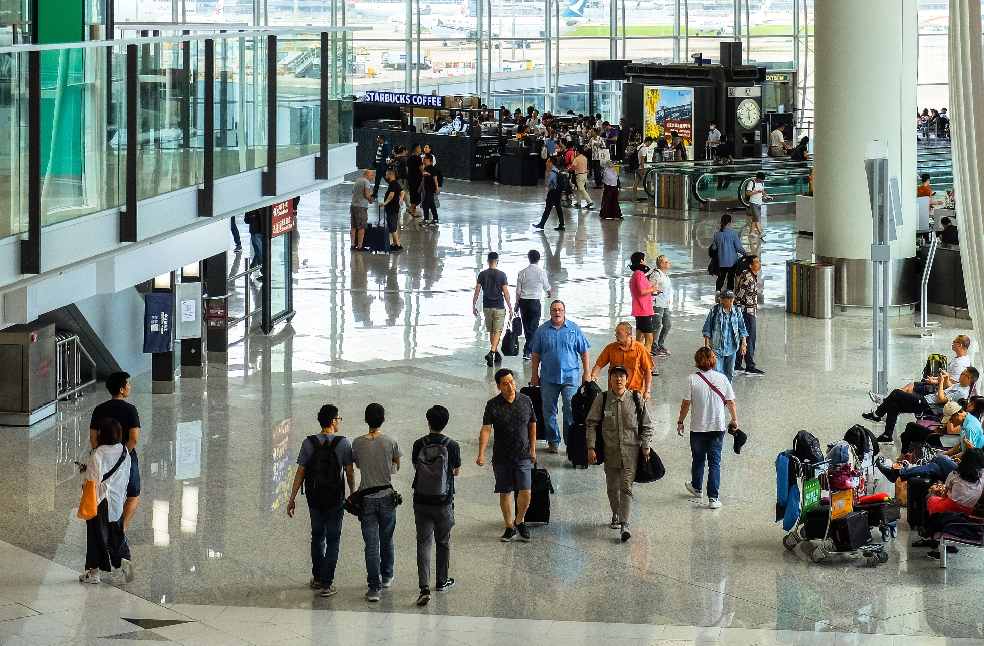
Air-conditioned airports, including Incheon International Airport, became temporary shelters for vulnerable groups. The elderly and homeless rested on benches and floors, using towels for comfort as the heatwave kept temperatures persistently high.
Meteorological authorities indicated that conditions may ease slightly, with temperatures expected to fall to around 36C. Forecasts also suggested a 50 percent chance that above-average temperatures will continue into September and October, prolonging the heatwave and extending its impact on daily life and public health.
MOST READ | Indonesia salt farmers benefit from prolonged drought heat
